
I once spent four hours in a sodden field in Gloucestershire, trying to distinguish a Bombus terrestris from a common bumblebee through a veil of freezing rain, only to realize the “biodiversity hotspot” I was surveying was actually just a patch of invasive weeds that looked pretty but offered zero nutritional value to the local pollinators. Most people think a complete guide to habitat restoration involves buying a massive pallet of expensive, colorful wildflower seeds from a website and scattering them over a manicured lawn like confetti. It’s a lovely sentiment, but it’s often ecological theater—it looks good in a photo, but it doesn’t actually support a functioning food web.
I’m not here to sell you a dream of instant meadows or expensive landscaping hacks. Instead, I want to talk about what actually works when you move past the aesthetic fluff. This is my attempt at a complete guide to habitat restoration that prioritizes functional ecology over Instagrammable blooms. We’re going to look at the messy, unglamorous reality of soil health, native plant timing, and why leaving your garden a bit “untidy” is often the most scientific thing you can do for your local insect populations.
Table of Contents
Why Biodiversity Conservation Strategies Often Fail the Data Test
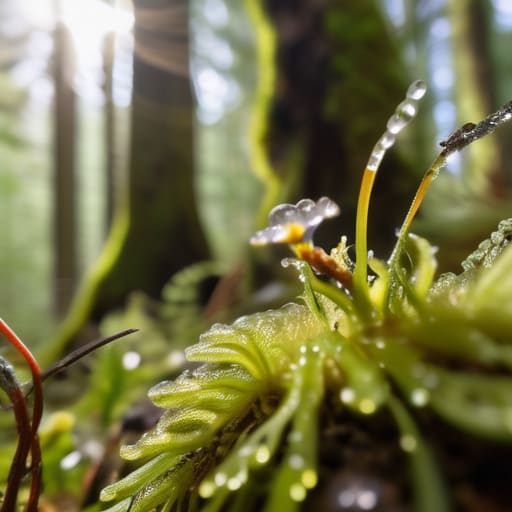
The problem is that we often treat biodiversity like a shopping list. We see a headline about a species decline and think, “Right, let’s just put more wildflowers in the ground,” as if that’s a magic fix. But most biodiversity conservation strategies fail because they focus on the presence of a species rather than the function of the habitat. You can plant a hundred lavender bushes, but if you haven’t accounted for the specific timing of local emergence or the soil moisture levels required for the larvae, you haven’t actually built an ecosystem; you’ve just built a very pretty, very temporary buffet.
We also tend to ignore the messy reality of ecological succession management. People want the “finished” look—a lush, stable meadow—but nature doesn’t work in static snapshots. If we don’t understand how a site moves from scrub to grassland, we end up fighting against the very processes that drive recovery. I see it all the time in my own survey work: a site looks great on paper, but because the management ignores the natural shifts in vegetation, the specialist insects we were actually trying to save disappear within two seasons.
Managing Ecological Succession Without Chasing Every Trend
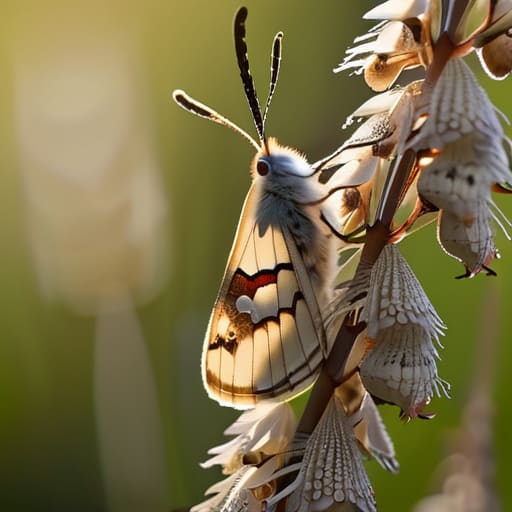
We have this collective obsession with “tidiness” that absolutely wrecks ecological succession management. I see it every time I’m out on a transect: someone has “restored” a patch of land by planting a tidy row of flowers and then immediately mowing it back to a manicured lawn because the brambles looked “messy.” But nature doesn’t work in straight lines or neat borders. If you want to support actual ecosystem recovery processes, you have to let the scrub happen. Those “messy” patches of tall grass and woody perennials are exactly where the lifecycle of a specialist moth might actually complete itself.
The trap is thinking that every bit of growth is a problem to be solved. We often mistake invasive species control for a mandate to keep everything looking like a botanical garden. Real restoration isn’t about freezing a landscape in a specific state; it’s about managing the transition. If you’re constantly intervening to stop a field from becoming a thicket, you aren’t restoring a habitat—you’re just maintaining a high-maintenance museum piece that most local insects won’t even recognize.
Five ways to stop guessing and start restoring
- Stop aiming for “pretty” and start aiming for phenology. It isn’t enough to just throw a seed mix at a patch of dirt and hope for a wildflower meadow; you need a staggered bloom sequence. If your garden provides a massive nectar burst in June but leaves nothing for the late-season foragers in September, you haven’t built a habitat—you’ve built a temporary buffet that leaves the population starving by autumn.
- Prioritize structural complexity over single-species abundance. A monoculture of one popular wildflower might look great on Instagram, but a real ecosystem needs the “mess.” I’m talking about deadwood, varying heights of grasses, and those slightly neglected corners where the soil stays damp. Complexity provides the microclimates that different life stages—from larvae to pupae—actually require to survive.
- Respect the importance of “unproductive” margins. In my field surveys, the most significant insect activity rarely happens in the middle of a manicured lawn; it happens in the transition zones. Whether it’s a hedgerow or a strip of scrubby weeds between a path and a field, these margins act as vital corridors. If you’re tidying up every edge of your property, you’re effectively cutting the highways that insects use to move through a landscape.
- Connect your patches, even if they are tiny. A single isolated garden patch is a lonely island, and for many species, that’s a death sentence. Habitat restoration works best when it functions as a network. Even if you can’t buy more land, planting a continuous line of native shrubs or even just leaving a “stepping stone” of nectar-rich plants in a neighbor’s yard helps bridge the gap between larger habitats.
- Manage for the lifecycle, not just the adult. This is where most amateur restoration fails. We all love seeing a Bombus terrestris (buff-tailed bumblebee) hovering over a lavender bush, but seeing the adult doesn’t mean the habitat is working. You have to look at the soil and the host plants. If you aren’t providing the specific larval food plants—the stuff that isn’t necessarily “pretty”—you aren’t actually supporting a population; you’re just hosting a visit.
What to actually do when the data tells you to stop tidying up
Stop treating your garden like a museum piece; if you want to support actual populations, you have to accept a bit of “mess” and let the structural complexity of dead wood and leaf litter do the heavy lifting.
Move away from “flower power” alone and focus on the lifecycle; planting a beautiful nectar source is useless if you haven’t provided the specific host plants that the local larvae need to actually survive.
Prioritize longitudinal observation over single-season snapshots, because one lucky summer of sightings doesn’t mean a population is stable, and one bad year doesn’t mean your conservation efforts have failed.
Moving Beyond the Buzzwords
We have to stop treating habitat restoration like a checklist of trendy plants or a quick fix for a bad conscience. If we want to actually move the needle, we need to bridge the gap between those impenetrable academic papers and the practical reality of what is happening in our soil and hedgerows. That means respecting ecological succession instead of fighting it, ensuring our conservation strategies are actually rooted in local survey data rather than just aesthetic preferences, and being honest about when the evidence is still thin. It is about moving from “planting for the sake of planting” to a more disciplined approach where we measure what actually matters—the survival and reproduction of the species we are trying to save.
At the end of the day, the insects don’t care about our intentions or how “green” our gardening blogs look; they care about whether there is a nectar source available at the exact moment they emerge from pupation. Conservation is often slow, messy, and occasionally frustratingly quiet, but that is where the real work happens. If we can trade our desire for instant, headline-grabbing results for a commitment to long-term, evidence-led stewardship, we might actually stand a chance. It isn’t about being perfect; it is about being precisely useful in a world that is changing faster than our data can keep up with.
