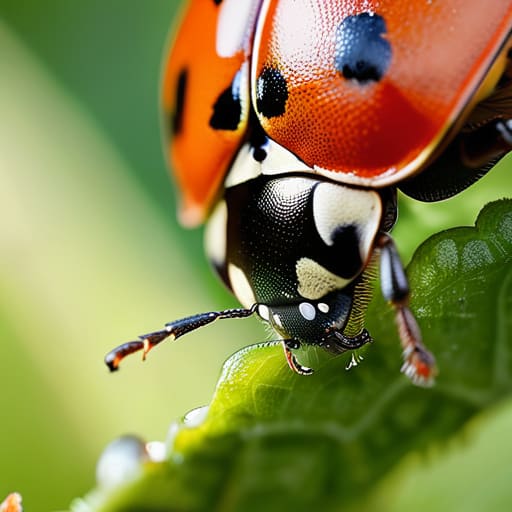
I spent three weeks last summer in a damp field in Gloucestershire, squinting through a hand lens at aphid colonies while my boots slowly turned into peat. I wasn’t there to stage a war; I was there to see if the ladybirds were actually doing the job the brochures promised. Most people hear the term “Integrated Pest Management” and imagine some high-tech, expensive suite of chemical gymnastics, but that’s a massive misconception. In reality, understanding how integrated pest management works isn’t about finding a magic silver bullet to wipe out every bug in sight; it’s about the much more tedious, much more rewarding task of reading the ecosystem to see if you actually need to intervene at all.
I’m not here to sell you on a revolutionary new product or a complicated manual that requires a PhD to decipher. Instead, I want to talk about what happens when you stop treating every insect as an enemy and start treating them as data points. I’m going to break down the actual mechanics of IPM—the monitoring, the thresholds, and the biological controls—without the academic fluff or the alarmist headlines. We’ll look at what the surveys actually tell us and, more importantly, where the evidence is thin, so you can make decisions based on what’s actually happening in your soil rather than what a glossy pamphlet claims.
Table of Contents
Moving Beyond Panic Toward Effective Monitoring Pest Populations

The problem with most “insect crisis” coverage is that it treats every single bug like a ticking time bomb. In reality, effective monitoring pest populations isn’t about counting every individual; it’s about understanding the threshold where a population actually becomes a threat. In my fieldwork, I see this constantly: a farmer might see a handful of aphids and panic, but if we look at the economic injury levels, those insects might not actually cause enough damage to justify the cost—or the ecological fallout—of an intervention.
We have to stop viewing every insect as an enemy to be eradicated and start looking at them as variables in a much larger equation. Instead of a scorched-earth approach, we should be looking at how sustainable agriculture practices can leverage the bugs already present in the system. This means prioritizing the protection of beneficial species so that natural predator introduction isn’t just a one-off event, but a self-sustaining cycle. If we move away from the “spray on sight” mentality and toward actual data, we stop reacting to headlines and start managing ecosystems.
Why Economic Injury Levels Matter More Than a Single Bug

In the field, I see people panic the moment they spot a few aphids on a new shoot. It’s an instinctive reaction—the “oh no, they’re taking over” moment—but that’s exactly where the science of economic injury levels comes in to save us from making reactive, expensive mistakes. An economic injury level isn’t just a random number; it is the specific threshold where the cost of the damage caused by the insects actually exceeds the cost of treating them. If you’re spraying or intervening before you hit that point, you aren’t practicing precision; you’re just wasting resources and potentially disrupting the very ecosystem you’re trying to manage.
This distinction is vital for sustainable agriculture practices because it shifts our focus from total eradication to manageable coexistence. If we treat every single insect as an enemy to be deleted, we strip away the buffer that allows a landscape to function. Instead of a scorched-earth approach, we look at the data to decide if the population is a genuine threat or just a temporary spike. It’s about knowing when to step in and when to let the local ecology do the heavy lifting.
Five ways to actually use IPM without losing your mind (or your budget)
- Stop treating every bug like an intruder. Before you reach for a spray, you need to identify the species. If you’re killing off the predatory hoverflies or ladybirds along with the aphids, you’re essentially just firing your best security team and leaving the door wide open for the next wave.
- Learn the difference between a “presence” and a “problem.” Seeing three cabbage white caterpillars on a leaf isn’t a crisis; it’s just Tuesday in a garden. IPM works because it relies on thresholds—waiting until the population is actually large enough to cause measurable damage before you intervene.
- Build a “buffer zone” of messy biology. In my fieldwork, I see it constantly: the most resilient plots aren’t the sterile ones, they’re the ones with hedgerow margins and flower strips. These aren’t just pretty; they provide the habitat for the natural enemies that do the heavy lifting for you.
- Diversify your toolkit. If your only move is a chemical application, you’re playing a losing game of whack-a-mole. Real IPM means layering different tactics—crop rotation to break life cycles, physical barriers, or even just changing your planting dates—so the pests don’t have a predictable rhythm to exploit.
- Document the data, even if it’s just in a notebook. You can’t manage what you don’t measure. Keeping a simple log of when you see certain pests helps you spot patterns over years, rather than reacting to a single, scary headline or a one-off afternoon of heavy sightings.
The Bottom Line: Why Numbers Beat Panic
Stop reacting to the first bug you see; effective management is about tracking density over time to see if a population is actually hitting an economic threshold or just passing through.
Context is everything, which means understanding that a single study or a sudden spike in one field doesn’t mean a total ecosystem collapse—it just means you need better, more consistent survey data.
Real conservation and smart farming happen in the middle ground, using targeted interventions only when the data shows the pest population has moved from a nuisance to a genuine threat.
Taking the Temperature of the Field
At the end of the day, Integrated Pest Management isn’t a magic wand or a way to declare total war on every beetle that lands on a leaf. It is a framework for informed decision-making. We’ve looked at why we need to stop reacting to every single insect we spot and instead focus on the actual thresholds that cause real economic damage. By moving away from preventative, blanket spraying and toward a model of constant, careful monitoring, we stop treating the field like a battlefield and start treating it like the complex, messy ecosystem it actually is. It’s about knowing when to step in and, more importantly, knowing when to stay out of the way.
I know it’s tempting to want a simple “yes or no” answer when it comes to pest control, but nature doesn’t work in binaries. The goal isn’t to achieve a sterile, bug-free vacuum; that would be a disaster for the very pollinators I spend my days counting. Instead, we should aim for a managed balance where we protect our yields without dismantling the biological infrastructure that keeps the soil alive. If we can shift our perspective from “eradication” to “regulation,” we might actually build a version of agriculture that can coexist with the wilder world outside the fence line.
