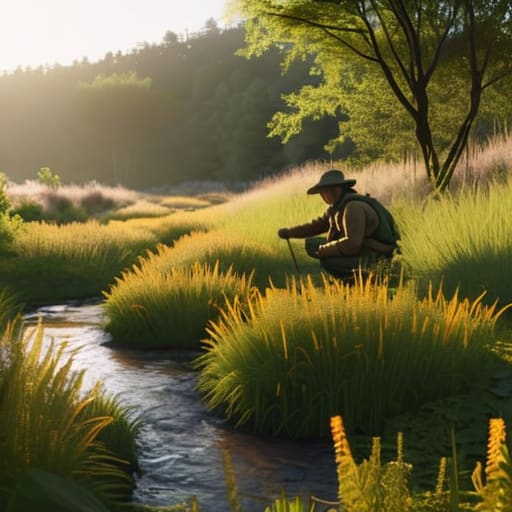
I spent three weeks last summer standing in a waterlogged field in Shropshire, staring at a patch of what a management plan described as “optimal scrub regrowth,” while my boots slowly succumbed to the mud. There is this persistent, glossy myth that how nature reserves are managed is all about high-level strategy meetings and expensive, large-scale rewilding projects that look great in a glossy brochure. But when you’re actually out there with a clipboard, trying to figure out why a specific population of Bombus terrestris has vanished from a supposedly “protected” meadow, you realize that the reality is much messier. It’s rarely about grand gestures; it’s about the granular, often frustratingly slow work of deciding exactly when to cut a specific strip of grass or which invasive species to pull by hand.
I’m not here to sell you on the romanticized version of conservation or the jargon-heavy nonsense found in most impact reports. Instead, I want to pull back the curtain on the actual mechanics of land stewardship. I’ll tell you what the data actually shows about different grazing regimes, why some “wild” looking areas are actually ecological deserts, and where the evidence for certain management styles is still painfully thin.
Table of Contents
The Truth About Ecological Monitoring Methods and Thin Evidence
The Truth About Ecological Monitoring Methods and Thin Evidence
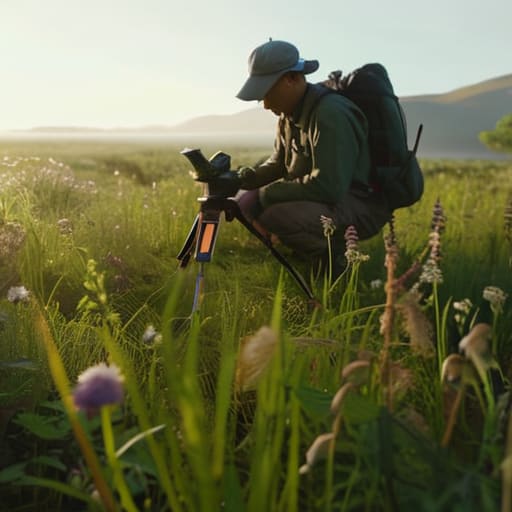
When we talk about ecological monitoring methods, there is this unspoken assumption that the numbers we collect are absolute truths. They aren’t. If I spend a Tuesday afternoon in a damp field counting Bombus terrestris, I’m not providing a census of every bumblebee in the county; I’m providing a snapshot of what was visible in that specific patch of light and temperature. We often see headlines claiming a species has “rebounded” or “collapsed” based on a single season of data, but that is a dangerous way to frame the science. Most of the time, we are looking at statistical noise rather than a definitive trend.
This uncertainty is exactly why I get defensive about the data. We can implement various biodiversity conservation strategies, but if our baseline measurements are shaky, we won’t actually know if those interventions are working. It’s tempting to present a polished, certain narrative to secure funding or public support, but pretending the data is more robust than it is is how we lose credibility when the numbers inevitably shift next year. We need to be comfortable saying “we don’t know yet.”
Why Protected Area Governance Is More Than Just Fences
We often fall into the trap of thinking a nature reserve is just a piece of land with a sign on it, but protected area governance is significantly more complicated than just drawing a line on a map and putting up a fence. You can have the most pristine boundaries in the world, but if the people living on the edge of that reserve aren’t part of the conversation, the fence becomes a barrier rather than a shield. I’ve seen plenty of well-intentioned projects fail because they treated the landscape like a museum piece rather than a living, breathing system that interacts with the farms and gardens surrounding it.
True success usually comes down to how well we integrate sustainable land use practices into the wider landscape. If a reserve is a tiny island of green surrounded by a sea of intensive monoculture, the species inside—especially the ones I spend my days tracking—are effectively trapped. We have to look at the corridors, the hedgerows, and the buffer zones. It isn’t just about guarding a specific patch of dirt; it’s about managing the connectivity of the entire region so that a population of pollinators can actually move, feed, and survive.
Moving Beyond the Fences: 5 Ways Management Actually Works on the Ground
- Stop chasing “charismatic megafauna” and start looking at the margins. It is easy to get funding by protecting a single rare bird, but if the hedgerow margins where its food sources live are being mown to a tidy finish every July, the bird is essentially living in a food desert. Real management means prioritizing the messy, “unproductive” edges.
- Management isn’t a “set and forget” situation. I see people treat a nature reserve like a museum exhibit—something to be preserved exactly as it is. But ecology is dynamic. We need to manage for processes, like natural flooding or seasonal succession, rather than just trying to freeze a landscape in a specific year.
- We need to bridge the gap between “paper parks” and actual habitat. A reserve might look great on a map or a government spreadsheet, but if the surrounding agricultural land is a chemical desert, that reserve becomes an island. Effective management has to look at the landscape connectivity, not just the acreage inside the boundary.
- Respect the seasonal timing of your interventions. It sounds basic, but I’ve seen well-meaning volunteers clear scrub in the middle of a nesting season because it looked “untidy.” If you aren’t syncing your management actions—mowing, coppicing, or even controlled burns—with the specific life cycles of the local invertebrates, you aren’t conserving; you’re just disrupting.
- Use data to drive decisions, even when the data is annoying. There is a temptation to manage based on “gut feeling” or what worked in a different county ten years ago. But if your pollinator transects show a decline in Bombus terrestris despite your new wildflower meadow, you have to be willing to admit the current strategy isn’t hitting the mark and pivot.
What to actually look for when you visit a reserve
Stop looking for “pristine” wilderness; instead, look for messy, unkempt edges like hedgerows and scrub, because that’s where the actual biological work—the nesting and the foraging—is happening.
Realize that a “managed” landscape isn’t a static picture, but a constant, messy negotiation between trying to keep certain species present and letting natural processes like decay and succession take over.
Be skeptical of “biodiversity” as a single, magical number; ask instead whether the management is actually supporting the specific life cycles of the insects and plants that the local data says are struggling.
Moving Beyond the Fence Line
At the end of the day, managing a nature reserve isn’t just about drawing a line on a map and hoping for the best. It’s a messy, constant negotiation between what the data tells us—even when that data is frustratingly thin—and the complex reality of land ownership and local politics. We’ve seen that simply declaring a space “protected” doesn’t automatically fix the underlying issues of habitat fragmentation or the lack of robust, long-term monitoring. If we aren’t looking at the actual numbers, the quality of the management becomes just another piece of paperwork rather than a tool for survival. We have to bridge the gap between the high-level policy and the actual, granular work happening in the field.
But there is a way forward that doesn’t rely on doom-scrolling through alarmist headlines. It starts when we stop treating conservation like a static achievement and start treating it like a continuous, active process. Whether it is a massive national park or just a tiny, unmanaged strip of hedgerow in a suburban garden, every bit of intentional, evidence-led space matters. We don’t need more miracles; we need more consistent, informed action. If we can get the management right—the kind that values real science over easy optics—we might actually give these tiny, essential lives a fighting chance to persist.
