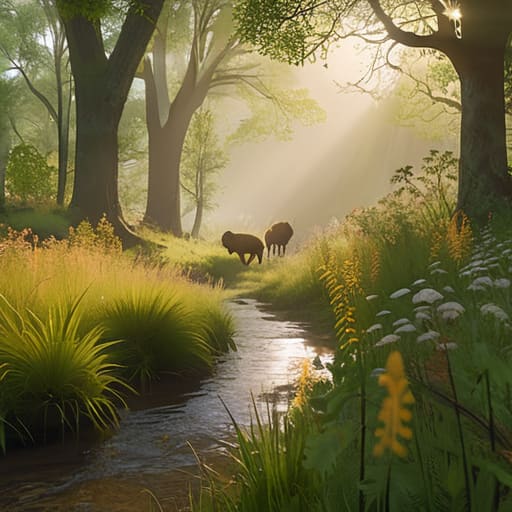
I once spent three weeks in a sodden field in Shropshire, trying to map the exact boundary of a “wild” patch, only to realize the term means something entirely different to a landscape architect than it does to a person staring at a patch of nettles. Most of the stuff you read online—the kind of sweeping, expensive, “let it all go” nonsense—is a massive oversimplification. People treat a complete guide to rewilding like it’s a magic spell you cast by simply stopping your lawnmower, but nature is rarely that passive. If you just walk away and hope for the best, you might just end up with a monoculture of brambles and a lot of frustration rather than the functional ecosystem you were actually aiming for.
I’m not here to sell you on a romanticized version of chaos. Instead, I want to talk about what actually moves the needle for biodiversity, from the specific way a hedgerow margin functions to why your choice of “weeds” matters more than you think. This is a realistic, evidence-led look at how you can actually support local populations without needing a thousand-acre estate. We’ll look at what the surveys actually tell us, where the science is still uncomfortably thin, and how to make small, intentional changes that actually work.
Table of Contents
- Rewilding vs Conservation Distinguishing True Restoration From Aesthetic Ga
- Ecosystem Restoration Techniques That Actually Move the Needle
- Five ways to actually move the needle (without turning your garden into a wasteland)
- The Reality Check: What to Take Away From the Data
- Moving Beyond the Buzzwords
Rewilding vs Conservation Distinguishing True Restoration From Aesthetic Ga
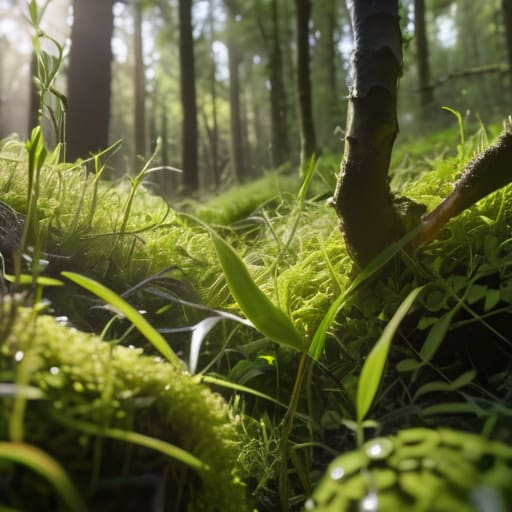
The biggest point of confusion I run into—usually while trying to explain a survey result to a well-meaning neighbor—is the distinction between rewilding vs conservation. Traditional conservation is often about maintenance; it’s the careful, controlled management of a specific habitat to keep it from changing, like keeping a meadow mown at a precise height to protect a single rare butterfly. Rewilding, however, is a much more hands-off, ambitious attempt at ecosystem restoration techniques that aim to kickstart natural processes so they can eventually run themselves.
It is easy to mistake a “wild-looking” garden for rewilding, but there is a massive difference between aesthetic gardening and true ecological function. You can plant a lot of lavender and call it a sanctuary, but if you aren’t considering how species interact, you’re just decorating. Real rewilding looks at things like keystone species importance—understanding that bringing back a specific predator or a certain type of grazer can trigger a domino effect of life across the landscape. It’s not just about making things look messy; it’s about rebuilding the engine that makes the mess possible.
Ecosystem Restoration Techniques That Actually Move the Needle
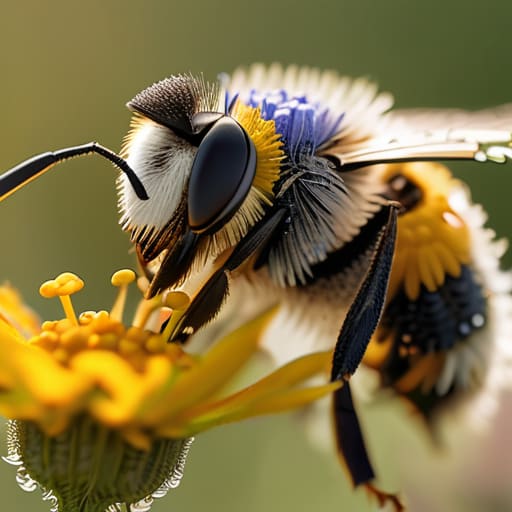
When we talk about ecosystem restoration techniques, the conversation usually drifts toward massive, landscape-scale projects that look great in a documentary. But if you’re looking at a fragment of hedgerow or a neglected corner of a garden, the “needle” moves through much smaller, more tactical interventions. It’s not just about planting a tree; it’s about creating the specific structural complexity that different life stages of an insect need. For example, a manicured lawn provides almost zero value for a specialist pollinator, whereas a patch of “messy” perennial wildflowers creates a nectar bridge.
One of the most effective ways to scale this up is by thinking in terms of nature recovery networks. Instead of treating your patch of land as an isolated island, you have to consider how it connects to the next one. We often hear about keystone species importance in the context of wolves or beavers, but in a small-scale setting, your keystone might be a specific type of deadwood or a particular host plant. It’s about building the connective tissue that allows species to actually move through a landscape rather than just surviving in a single, disconnected pocket.
Five ways to actually move the needle (without turning your garden into a wasteland)
- Stop looking for “perfect” plants and start looking for “messy” ones. In my fieldwork, I see it all the time: people plant beautiful, manicured nectar sources that look great in a catalogue but offer zero structural value. If you want to support actual biodiversity, you need the “unattractive” stuff—the dead stalks, the hollow stems, and the leaf litter. That’s where the Bombus terrestris (the buff-tailed bumblebee) and countless solitary bees actually spend their life cycles.
- Prioritize connectivity over isolated patches. You can have the most incredible wildflower meadow in your backyard, but if it’s surrounded by three miles of chemically treated, sterile lawn, it’s essentially a biological island. Insects are mobile, but they have limits. Think of your garden as a stepping stone in a corridor, not a destination. Even a small, unmanaged strip of hedgerow can be the difference between a population thriving or hitting a dead end.
- Learn to distinguish between “weeds” and “keystone species.” I know, it’s a controversial take for the lawn-obsessed, but many of the plants we’ve spent decades trying to eradicate are actually the primary food sources for specialized pollinators. Before you reach for the weedkiller, identify what you’re looking at. If it’s Urtica dioica (common nettle), leave it alone; it is a critical nursery for dozens of butterfly species.
- Manage for the “messy” middle. There is a massive gap in public understanding between a “tidy garden” and a “managed ecosystem.” You don’t have to let your entire plot go to seed and hope for the best—that’s not rewilding, that’s just neglect. Instead, try mosaic management. Leave one corner of the garden to go completely wild and undisturbed, while keeping the rest of the space more structured. This provides both the refuge and the resources needed for different life stages.
- Accept that the data is often “noisy.” When people start rewilding, they often expect an immediate, measurable explosion of life. In reality, insect populations are notoriously difficult to track because they are highly sensitive to weather, seasonality, and local microclimates. Don’t get discouraged if you don’t see a swarm of rare moths in week one. Conservation is a long game of incremental shifts, not a quick fix you can track on a weekly spreadsheet.
The Reality Check: What to Take Away From the Data
Rewilding isn’t a “set it and forget it” strategy; it requires an understanding of local ecology, because a patch of land left to go wild without considering its historical context or soil health might just become a monoculture of brambles rather than a diverse habitat.
Stop chasing “aesthetic” biodiversity. A perfectly manicured lawn is a desert for most pollinators, whereas a messy, slightly neglected field margin with varying plant heights is where the actual life cycles—from larvae to adult—actually happen.
Be skeptical of sweeping claims. While we know that increasing connectivity between habitats is vital, the science on exactly how much “corridor” a specific species needs is still catching up to the headlines, so focus on creating small, high-quality patches if you can’t connect large ones.
Moving Beyond the Buzzwords
We have covered a lot of ground, from the distinction between simple aesthetic gardening and true ecological restoration to the specific, messy techniques that actually help a landscape recover. If there is one thing I want you to take away from this, it is that rewilding is not a “set it and forget it” solution. It is a process of informed intervention, where we learn to step back only after we have provided the right structural foundations—like those crucial field margins or messy, unmanaged scrub patches. It isn’t about creating a perfect, postcard-ready wilderness; it is about fostering the functional complexity that allows a site to eventually sustain itself without us constantly hovering over it with a pair of shears.
At the end of the day, the data shows us that even the smallest, most seemingly chaotic patches of ground can become vital stepping stones for struggling species. You don’t need a thousand acres of ancestral forest to make a difference; sometimes, all it takes is a corner of a garden left to go slightly “wrong” so that the local moth populations have a place to thrive. Conservation can feel overwhelmingly massive when you read the global decline statistics, but meaningful change happens in the increments. Stop aiming for a tidy landscape and start aiming for a living one. It might look a bit scruffy to your neighbours, but to the insects, it looks like a future.
