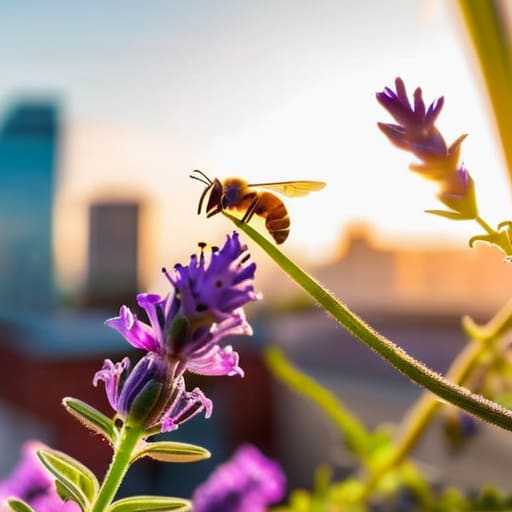
I spent three years of my doctorate staring at hedgerow margins in the driving rain, so I have a very low tolerance for the “save the bees” infographics that flood my feed. Most of them suggest you need a massive, expensive wildflower meadow to make a difference, but that’s just not how the data works. When we actually look at how urban gardens support local pollinator populations, the reality is much more granular—and much more hopeful. It isn’t about having a pristine, untouched landscape; it’s about the connectivity of small, messy patches of habitat that allow species to actually move through a concrete jungle without starving.
I’m not here to sell you a specific brand of organic seed or tell you that planting one lavender bush will single-handedly reverse a global extinction event. Instead, I want to talk about what the actual survey counts tell us about which specific garden features—from nectar timing to nesting sites—really move the needle. I’ll tell you when the evidence is solid and when we’re still just guessing, so you can stop worrying about the headlines and start making changes that actually matter for your local insects.
The Real Benefits of Urban Biodiversity vs Popular Myths
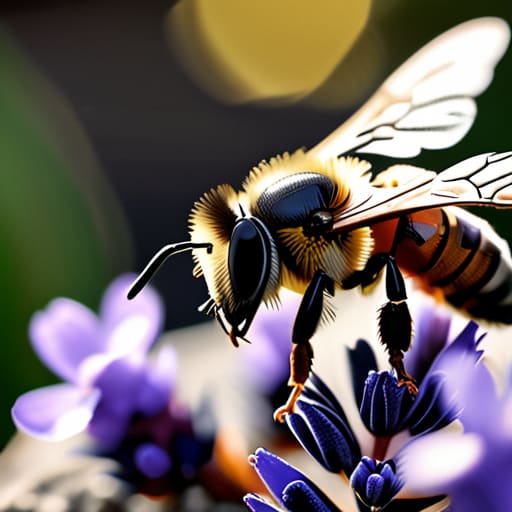
The biggest misconception I encounter—usually from people who have read one particularly frantic news snippet—is that a single garden with a few lavender pots is a “savior” for local biodiversity. It isn’t. While those pots are better than concrete, they don’t solve the fundamental problem of habitat fragmentation on bees. When we look at the actual survey data, the issue isn’t just a lack of flowers; it’s the distance between them. A solitary garden is an island, and for many smaller solitary bee species, an island that is too far from the next one is a dead end.
The real magic happens when we stop thinking about gardens as isolated aesthetic choices and start viewing them as nodes in a larger network. This is the core of creating pollinator corridors in cities. Instead of just planting whatever looks good on a supermarket shelf, we need to focus on the connectivity between patches. When a series of residential gardens, school plots, and park verges align to provide a continuous stretch of forage, we see a measurable shift in how species move through the urban landscape. It’s about functional connectivity, not just pretty colors.
Combating the Impact of Habitat Fragmentation on Bees
When we talk about the impact of habitat fragmentation on bees, we aren’t just talking about a lack of flowers; we’re talking about the terrifying physics of distance. For a solitary bee, a busy four-lane road isn’t just a nuisance—it is a geographic barrier that can effectively isolate a population, leading to inbreeding and localized extinction. Even if your garden is a perfect, nectar-rich oasis, it doesn’t matter if the next nearest patch of habitat is two kilometers away across a concrete desert.
This is where the concept of creating pollinator corridors in cities moves from a nice-to-have theory to a biological necessity. We need to stop viewing gardens as isolated islands and start seeing them as stepping stones. By intentionally selecting native plant species for urban areas that bloom at different times of the year, we can bridge those gaps. It’s about building a functional network where a bee can actually make the journey from one patch to another without running out of fuel mid-flight. It isn’t about one perfect garden; it’s about the connectivity between them.
Moving Beyond "Bee-Friendly" Buzzwords: Five Practical Adjustments
- Prioritize Fabaceae—the legume family—over generic wildflower mixes. While a colorful mix looks great on Instagram, species like clover (Trifolium) or vetch (Vicia) provide the high-protein nectar that actually fuels a foraging worker bee through a long afternoon.
- Stop treating “weeds” like an aesthetic failure. If you see Taraxacum officinale (common dandelion) or Trifolium repens (white clover) poking through the patio cracks, leave them. They are often the first reliable food sources available when everything else is still dormant.
- Create “soft edges” rather than manicured borders. A sharp line between a mown lawn and a flower bed is a biological dead end; letting your garden edges grow a little shaggier creates a micro-climate that protects smaller, less mobile insects from wind and temperature swings.
- Introduce structural complexity with deadwood or “bee hotels,” but do it properly. Many commercial insect hotels are actually quite poor; they can trap moisture and encourage fungal growth. I’d rather see a small, intentional pile of fallen branches in a corner—it offers more genuine, low-maintenance shelter.
- Focus on phenological continuity. It isn’t enough to have a massive burst of blooms in June; you need a staggered schedule of flowering plants from early spring through late autumn. If there’s a “nectar gap” in August, the local population doesn’t just wait—they starve.
Moving Beyond the Headlines
To get this right, we have to stop treating urban gardens like a magical panacea and start treating them like what they actually are: critical, fragmented nodes in a much larger, much more complicated network. We’ve looked at how these patches can mitigate the effects of habitat fragmentation and how they offer a vital alternative to the “all or nothing” narrative of insect decline. But the data shows that a garden isn’t just a garden; it’s a specific set of resources. Whether it’s providing a nectar bridge between larger parks or offering nesting sites for solitary bees, the impact of a single backyard depends entirely on intentionality. It isn’t about planting a generic “pollinator mix” from a supermarket bag; it’s about understanding the specific local species and providing the structural diversity they actually need to survive.
I know it feels overwhelming when you see the latest headline about a collapsing population, but the science suggests that we don’t need to solve everything at once to make a measurable difference. We just need to stop guessing and start observing. If you can turn a patch of manicured lawn into a slightly messy, flowering margin, you are contributing to a real, data-backed shift in how these species move through our cities. Conservation doesn’t always require a massive government policy or a thousand-acre nature reserve; sometimes, it just requires a few square meters of soil and the patience to let things grow a little wild.
If you’re looking to actually track what’s happening in your own patch rather than just guessing, I’ve found that moving from passive observation to structured recording is where the real insight happens. It isn’t about being a professional entomologist, but rather about building a consistent dataset that shows how your specific choices—like leaving the nettles or swapping out a manicured lawn—actually impact local numbers. For anyone wanting to get more intentional about how they document these shifts, this platform is a great place to start bridging that gap between casual gardening and meaningful, local data collection.
