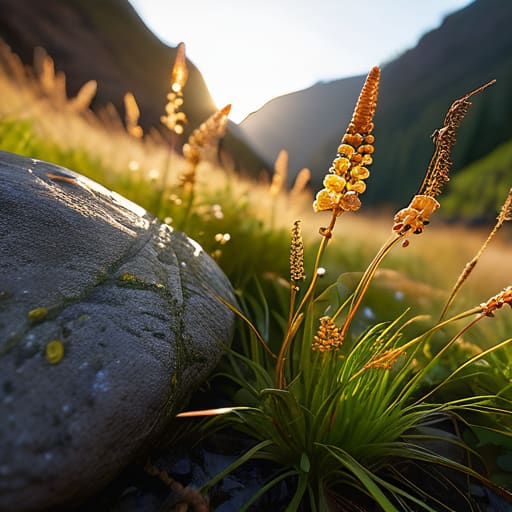
I once spent three hours hunched over a damp hedgerow in a downpour, trying to figure out if I was looking at Leucanthemum vulgare or just a particularly stubborn bit of common daisy, all because I’d trusted a shaky field guide that relied entirely on petal count. Most people think learning how to identify wildflowers requires a massive, leather-bound tome or a subscription to a high-end botanical app that promises instant magic. But if you’ve ever stood in a field staring at three different plants that all look like “just a yellow flower,” you know that visual generalizations are a trap.
I’m not here to sell you on a romanticized version of nature, nor am I going to bury you in Latin jargon without explaining why it matters. Instead, I want to show you how to look at the structural architecture of a plant—the leaf arrangement, the stem texture, and the specific way a flower head is built—to actually distinguish one species from another. We’re going to move past the guesswork and focus on the specific, observable traits that actually matter when you’re out in the field.
Table of Contents
Mastering Flower Morphology Guide Basics Without the Guesswork
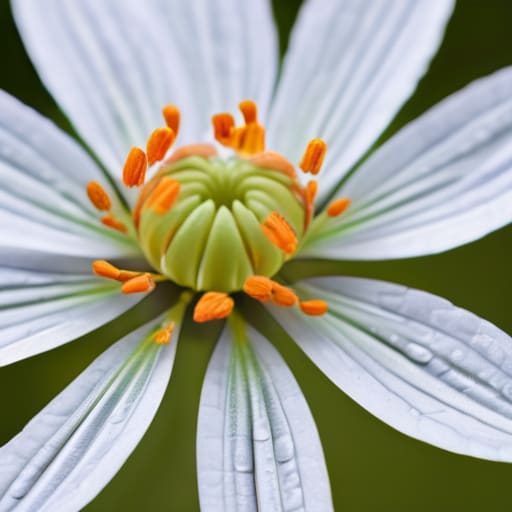
If you want to get past the “it looks like a daisy” stage, you have to stop looking at the color and start looking at the architecture. This is where a proper flower morphology guide becomes more useful than any photo app. You aren’t just looking for a pretty shape; you are looking for the arrangement of the carpels, the symmetry of the petals, and the way the leaves attach to the stem. When I’m out on a transect, I’m not checking for “vibes”—I’m counting the number of stamens and noting whether the flower is zygomorphic (asymmetric) or actinomorphic (radial).
Once you understand these structural basics, you can actually start using dichotomous keys without feeling like you’re reading a different language. A key is essentially a series of “either/or” questions: does the leaf have serrated edges or smooth ones? Are the petals fused or separate? It feels tedious at first, but it’s the only way to distinguish between two native plant species that look identical to the untrained eye but serve completely different roles for local pollinators. It’s about moving from guessing to observing.
Moving Past Pretty Colors Toward Actual Botanical Identification Techniques
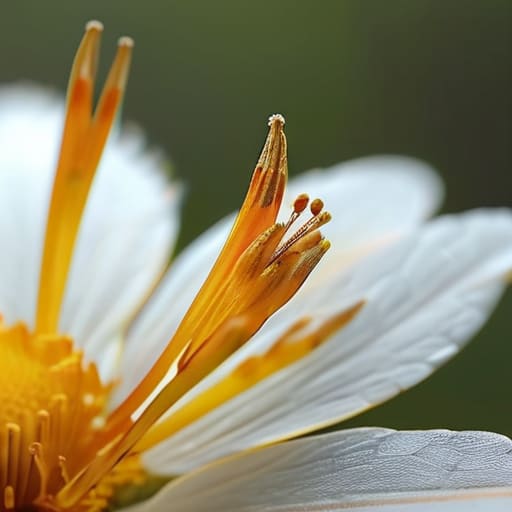
The problem with most people’s approach is that they rely on “vibe-based” identification. You see a splash of yellow in a hedgerow and think, “Ah, a dandelion.” But if you’re actually trying to understand the local ecology, you can’t just stop at the color. You have to look at the architecture. Are the petals fused or separate? Is the arrangement radial or bilateral? Real botanical identification techniques require you to ignore the “prettiness” and start looking at the structural math of the plant. I spent three weeks last summer trying to distinguish between various Ranunculus species, and let me tell you, if you aren’t looking at the leaf margins and the arrangement of the stamens, you’re just guessing.
Once you move past the surface level, you’ll likely find yourself using dichotomous keys, which is basically just a series of “yes or no” questions designed to narrow down your options. It feels tedious at first—like following a logic puzzle in the rain—but it’s the only way to be sure. Instead of searching for “yellow flower,” you’re asking if the leaves are serrated or smooth, or if the stem is hairy or glabrous. This shift from visual generalizations to structural evidence is what actually turns a casual observer into someone who can contribute meaningful data to a survey.
Beyond the Visual Guesswork: Five Ways to Actually Get It Right
- Stop looking at the color first. I know, it’s tempting, but color is a liar in the plant world. Many species look identical from a distance because they’ve evolved to attract the same pollinators, but if you look at the phyllotaxy—that’s just the specific arrangement of leaves on the stem—you’ll start seeing the patterns that actually separate a common weed from something more specific.
- Get your hands dirty with the leaf margins. Don’t just tell me a leaf is “jagged”; tell me if it’s serrated, crenate, or lobed. The edge of the leaf is often a more stable diagnostic feature than the flower itself, especially if you’re out surveying before the peak bloom when everything just looks like a generic green blur.
- Learn to recognize the inflorescence, not just the “flower.” What looks like one big bloom is often actually a cluster of dozens of tiny, individual flowers working together. If you’re looking at a Daucus carota—common Hogweed or Wild Carrot—you aren’t looking at one petal, you’re looking at a complex compound umbel. Identifying that structure is much more reliable than trying to count petals that are too small to see.
- Context is everything, so check the habitat. If you find a plant in a heavy, damp clay soil in a shaded hedgerow, it’s highly unlikely to be a species that thrives in dry, calcareous grassland. Knowing the local ecology doesn’t just help you narrow down the list; it keeps you from confidently misidentifying a specialist species as a generalist.
- Use the “Search Image” method, but don’t get stuck on it. In field biology, we develop a search image—a mental shortcut for what a specific plant looks like—but the second you think you’ve found it, look for a reason why you’re wrong. If you think it’s a certain species, go looking for the one specific leaf shape or stem hair that defines it. If you can’t find it, you haven’t identified it; you’ve just made an assumption.
Beyond the Visual: What Actually Matters for Identification
Stop relying on petal colour as your primary marker; most field guides and apps will fail you when you encounter color morphs within the same species, so you have to look at the arrangement of the reproductive organs instead.
Prioritize leaf phyllotaxy—the specific way leaves are arranged on a stem—over the general shape of the leaf, because while a leaf can be chewed or weathered into looking like something else, its attachment pattern is a much more stable diagnostic trait.
Accept that “close enough” is the enemy of good data; if you can’t confirm the specific structure of the calyx or the arrangement of the florets, it is better to record it as “unidentified” than to mislabel it and skew the local biodiversity record.
Beyond the ID Apps
At this point, you should realize that identification isn’t about memorizing a colorful catalog of petals; it’s about learning to read the structural language of a plant. We’ve moved past just looking at colors and started looking at the actual mechanics—the arrangement of leaves, the specific geometry of the flower head, and the way a stem holds itself up. It’s easy to get frustrated when a quick photo search fails you, but that’s usually because the app is looking at the same superficial traits you were. By focusing on morphology and the subtle, often overlooked details of growth patterns, you’re building a toolkit that actually works when the weather turns or the lighting fails. It’s the difference between guessing and truly observing.
I know it feels like a lot of heavy lifting compared to just clicking a button on a phone, but there is a specific kind of satisfaction in finally seeing a Bombus terrestris land on a plant and knowing exactly why it chose that specific bloom. When you stop seeing “just flowers” and start seeing a complex, interconnected map of species, your relationship with the landscape shifts. You aren’t just a passerby anymore; you’re someone who understands the data written in the hedgerows. Don’t let the complexity intimidate you—every expert I know started by being absolutely, hopelessly wrong about a common weed. Just keep looking.
