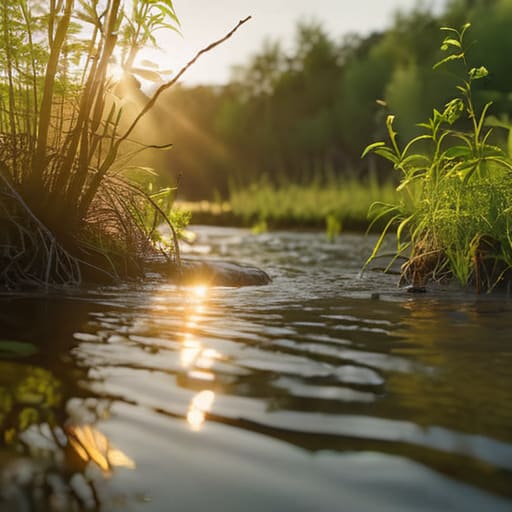
I spent three hours last Tuesday waist-deep in a drainage ditch near a tributary, shivering in a waterproof jacket that had long since given up on being waterproof, all to count a handful of hoverflies. It’s a far cry from the glossy, high-budget “rewilding” documentaries that suggest you can just dump some willow saplings into a channel and call it a day. The truth is, most people—and frankly, most well-funded conservation headlines—completely misunderstand how rivers and their margins work. They treat these edges like static, decorative green ribbons, when in reality, they are violent, shifting, and incredibly messy biological engines that don’t care about your neat little landscape designs.
I’m not here to sell you on a romanticized version of nature or a list of expensive “quick fixes” that look good on a brochure but fail in the field. Instead, I want to show you what the actual survey data tells us about the connection between water movement and the tiny organisms that hold it all together. We are going to look at the real mechanics of these zones—the stuff that actually moves the needle for biodiversity—without the academic jargon or the alarmist fluff.
Table of Contents
The Messy Reality of Riparian Zone Ecology
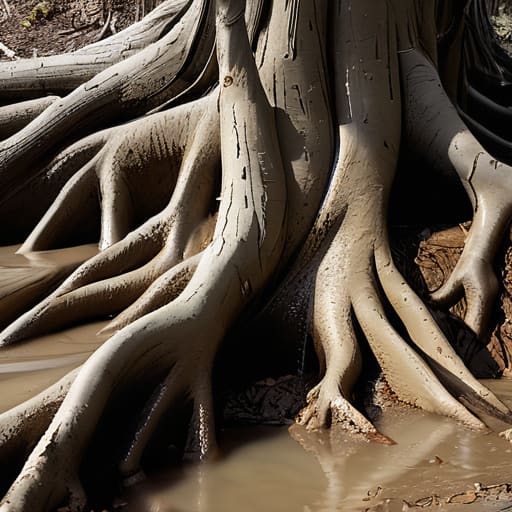
When people talk about riparian zone ecology, they tend to picture a static, postcard-perfect strip of reeds and willow trees. In reality, it’s a chaotic, high-stakes negotiation between water and land. It’s not just a “buffer”; it’s a functional, moving transition. We’re talking about the constant tug-of-war of riverbank erosion and sediment transport, where the bank is simultaneously being eaten away and rebuilt by the current. If you look at a river margin through a surveyor’s lens, you don’t see a finished landscape; you see a system in a state of perpetual, messy construction.
The most important part of this mess is the aquatic and terrestrial interface. This isn’t a hard border like a fence; it’s a blurred zone where energy and nutrients are constantly being traded. An insect falls into the water, a fish emerges as an adult, and a flood carries organic matter from a field into a stream. This isn’t just “nature happening”—it is a complex exchange of life that relies on the margin being unpredictable. If we try to “tidy up” these edges to make them look more manicured, we actually break the very mechanisms that keep the system alive.
Why Fluvial Processes and Landforms Matter More Than Picturesque Views
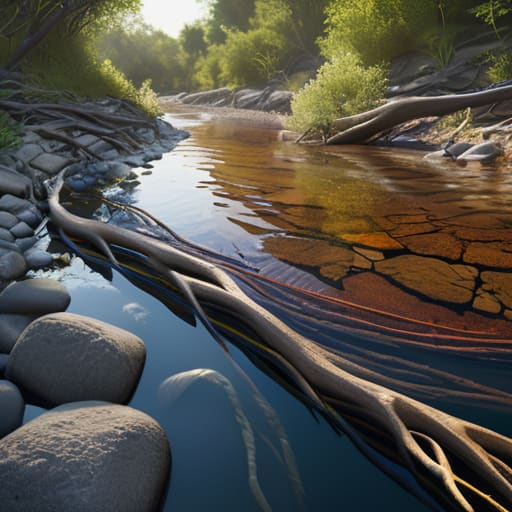
We tend to look at a river and see a static line on a map or, at best, a pretty backdrop for a weekend walk. But if you’re looking for biodiversity, you shouldn’t be looking at the view; you should be looking at the mess. The real magic happens through fluvial processes and landforms—the constant, grinding work of water carving bends, depositing silt, and shifting gravel bars. When a river is allowed to move, it creates a mosaic of micro-habitats. A stagnant, straightened channel might look “tidy,” but it’s effectively a biological desert because it lacks the structural complexity that different species need to survive.
This is where river-floodplain connectivity becomes the metric that actually matters. It’s not enough to have a green strip of grass next to the water; we need that water to actually reach the land during high-flow events. When a river can spill over its banks naturally, it recharges the local water table and distributes nutrients across the landscape. If we keep engineering rivers to stay in neat little boxes, we aren’t just managing water; we are severing the lifelines that allow the aquatic and terrestrial interface to function as a single, breathing system.
Moving Beyond the Postcard: 5 Things to Actually Look For
- Stop looking for “clean” edges. A river margin that looks like a manicured lawn is essentially a biological desert; you want the messy, tangled stuff—the fallen branches, the overhanging reeds, and the uneven silt—because that’s where the actual structural complexity lives.
- Prioritize connectivity over “pretty” patches. A single, isolated wildflower strip in the middle of a concrete-lined channel does almost nothing; what actually moves the needle for biodiversity is whether that margin connects to the next bit of habitat, creating a corridor rather than a dead end.
- Respect the flood pulse. We tend to view flooding as a “disaster” to be engineered away, but for a river margin, a seasonal overflow is a vital nutrient delivery system that reshapes the land and creates the very niches that specialist insects and plants need to survive.
- Watch the soil, not just the water. The riparian zone is a massive, living filter; the way the bank vegetation holds the soil together and absorbs runoff is often more important for water quality than the river itself, even if it looks like a chaotic heap of weeds to the untrained eye.
- Look for the “edge effect” in action. The most intense biological activity usually happens in that narrow, frantic transition zone between water and land, so when you’re assessing a site, don’t just look at the river or the field—look at exactly where they collide.
What to actually look for when you're standing by a riverbank
Stop looking for “pretty” and start looking for “messy”; a manicured, gravel-lined riverbank is essentially a biological desert, whereas a chaotic tangle of roots, fallen wood, and varying soil levels is where the actual ecological heavy lifting happens.
Connectivity isn’t just a buzzword for landscape architects—it’s the difference between a functioning corridor and a series of isolated green islands; if the riparian margin is broken by a concrete wall or a mown strip, the local insect and amphibian populations lose their highway.
We need to move past the “set it and forget it” mindset of restoration; a river margin is a dynamic, shifting system that requires us to respect natural flooding and sediment movement rather than trying to pin it down into a static, decorative landscape.
Moving Beyond the Postcard View
We have to stop looking at river margins as just pretty, green borders on a landscape and start seeing them as the complex, kinetic engines they actually are. It isn’t just about the presence of plants; it is about the unpredictable movement of sediment, the way a flood pulse reshapes a bank, and the specific, messy niches created when a river is allowed to wander. If we only focus on the aesthetic “greenery” while ignoring the underlying fluvial processes, we aren’t actually conserving a river system—we are just managing a very long, very wet garden. Real ecological health requires functional complexity, not just a tidy strip of wildflowers.
I know that “complexity” sounds like a daunting thing to manage, especially when we are used to the neat, controlled lines of traditional land management. But the data suggests that the most resilient ecosystems are the ones that are allowed to be a bit chaotic. When we protect the right to move and the right to flood, we aren’t just helping the water; we are securing the tiny, overlooked lives that depend on that specific, shifting terrain. We don’t need more manicured riverbanks; we need to trust the process and give these margins the space to actually function as nature intended.
