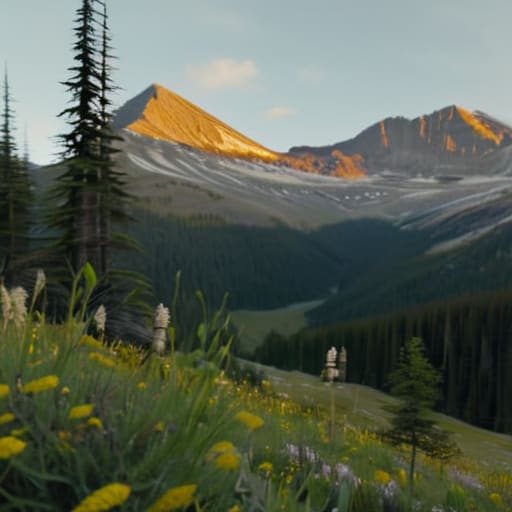
I was knee-deep in a damp hedgerow last July, shivering in a waterproof jacket that had long since given up on being dry, trying to record a single Bombus terrestris sighting. The heatwave was hitting, and the data I was collecting felt messy, unpredictable, and entirely different from the clean, terrifying graphs you see in the news. Most people think they understand how species respond to warming because they’ve seen a headline about an “insect apocalypse,” but the reality is rarely that simple or that cinematic. It isn’t always a sudden, dramatic disappearance; often, it is a subtle, frustratingly complex shift in timing or a slow crawl toward higher ground that doesn’t show up in a single season of surveying.
I’m not here to feed you more climate doom or wrap the science in layers of impenetrable jargon. Instead, I want to look at what the actual field data tells us about these shifts—the parts that are settled and the parts where we are still genuinely guessing. I promise to show you the difference between a species that is truly vanishing and one that is simply moving house, so we can stop arguing about the wrong things and start focusing on the habitat changes that actually matter.
Table of Contents
Mapping Real Climate Induced Range Shifts
When we talk about climate-induced range shifts, the media often implies a neat, synchronized march toward the poles. It’s rarely that tidy. In my field surveys, I see the messiness of it. We aren’t just watching species move; we are watching them struggle to find the specific microclimates they need to survive. For many insects, survival isn’t about finding a new latitude, but about finding the right thermal tolerance limits within a landscape that is becoming increasingly fragmented by roads and monoculture crops.
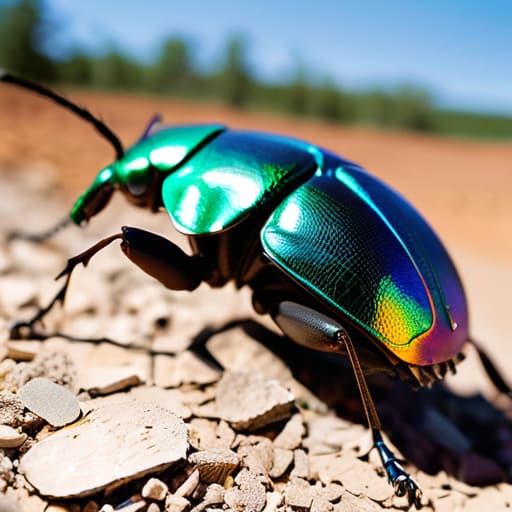
A species might attempt to move, but if there isn’t a continuous corridor of suitable habitat, they hit a wall. I’ve seen data suggesting altitudinal migration patterns in certain mountain-dwelling beetles, where they move higher up a slope to find cooler air, only to eventually run out of mountain entirely. This isn’t just a change in geography; it’s a fundamental mismatch. If the insects move but the plants they pollinate stay put, the entire local web begins to fray. We have to stop looking at movement as a guaranteed survival tactic and start seeing it as a high-stakes race against habitat fragmentation.
The Messy Truth of Phenological Shifts in Wildlife
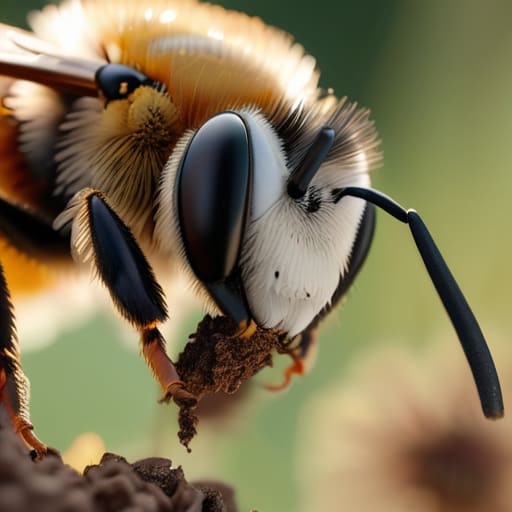
If you want to talk about the real chaos of a warming world, you have to talk about timing. We often hear about animals moving north, but much of the actual damage is happening in the calendar. This is where we see phenological shifts in wildlife—the subtle, often invisible mismatch between when a species wakes up and when its food is actually available. I’ve seen it in my own transects: a specific solitary bee species emerging from its winter dormancy only to find that the wildflowers it relies on peaked two weeks earlier because of an unseasonably warm March. It isn’t just a “delay”; it is a structural failure of the ecosystem’s clock.
The problem is that evolution doesn’t happen at the speed of a warming thermometer. While some organisms show impressive ecosystem adaptation strategies, many are hitting their thermal tolerance limits before they can even begin to adjust their life cycles. It isn’t always a clean, linear progression. Sometimes a species survives the heat, but it fails because its entire support network has drifted out of sync. We can’t just look at temperature in isolation; we have to look at the timing of the relationships.
Beyond the Panic: How to Actually Read the Climate Response Data
- Look for the movement, not just the disappearance. When a headline screams about a species “vanishing,” I check the regional survey data first; often, they haven’t gone extinct, they’ve just shifted their range toward higher latitudes or altitudes. We need to stop treating a local absence as a global catastrophe and start asking where they actually went.
- Watch the timing, not just the temperature. In my fieldwork, the biggest red flag isn’t always a drop in numbers, but a mismatch in phenology—like a solitary bee emerging two weeks before its primary nectar source has even budded. It’s not just about heat; it’s about the synchronization of life cycles falling out of step.
- Distinguish between a “trend” and a “snapshot.” A single season of low counts in a transect might be a fluke of weather or a localized event, not a permanent decline. I always look for multi-year datasets because one bad summer doesn’t constitute a species’ demise, but a decade of consistent downward movement definitely does.
- Prioritize habitat connectivity over isolated “islands.” If a species is trying to move north to escape warming, they can’t do it if they’re trapped in a manicured suburban garden or a single isolated woodland. A species can’t migrate through a concrete desert, no matter how much the temperature rises.
- Beware of the “generalist” trap. It is tempting to think that because some species (like certain aphids or invasive ants) are thriving in the heat, the ecosystem is “adjusting.” But ecosystems aren’t just a collection of individuals; they are networks. A few winners don’t compensate for the loss of the specialized pollinators that keep the whole system from collapsing.
Moving Beyond the Headlines: What We Actually Need to Track
Stop treating “range shifts” as a simple game of musical chairs; when a species moves north, it isn’t just finding a new home, it is entering a completely different ecological puzzle where the food sources and predators might not be there to meet it.
We have to stop conflating “seeing fewer bugs” with “extinction” in every single conversation, because while some populations are definitely crashing, others are just shifting their timing or their location, and if we can’t tell the difference, we can’t build effective conservation corridors.
Real conservation isn’t about reacting to a single alarming headline, but about supporting the long-term, messy, and often boring work of local surveys that show us exactly where the gaps in the habitat are appearing as the climate shifts.
Beyond the Data Points
When we pull back the curtain on the headlines, the reality of species responding to warming is rarely a simple, linear march toward extinction. It is a messy, complicated reorganization of entire ecosystems. We’ve seen that while some species are successfully shifting their ranges to track cooler climates, others are hitting a wall—stuck in fragmented habitats where there is nowhere left to go. The phenological mismatches I mentioned earlier aren’t just academic curiosities; they are fundamental breaks in the biological timing that sustain life. If the pollinators emerge before the flowers bloom, the data tells us a story of failure that no amount of optimistic spin can fix. We have to acknowledge that the way species move is dictated by more than just temperature; it is dictated by the connectivity of the land itself.
So, where does that leave us? It leaves us with a massive, urgent need for better, more granular conservation that doesn’t just protect a single species, but protects the pathways they need to survive. We don’t need more doom-scrolling; we need to start building the corridors and hedgerow margins that allow for these natural shifts to happen. It isn’t about stopping every single degree of warming—that’s a battle for policy and global systems—but it is about ensuring that when the climate shifts, the life within it has a functional way to follow.
