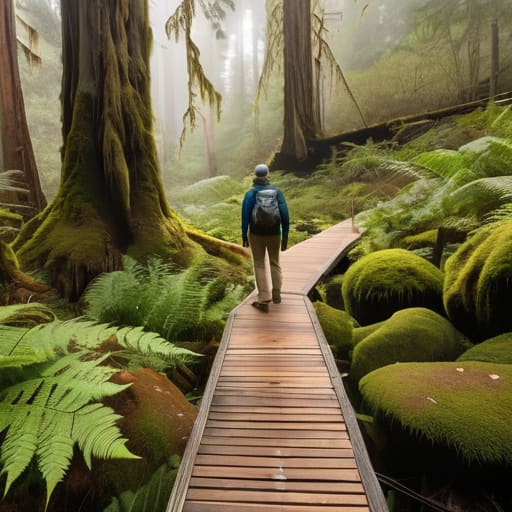
I spent three weeks last summer standing in a waterlogged ditch in the middle of a lowland heath, counting Bombus terrestris while my boots slowly succumbed to the mud. It taught me that conservation isn’t about the polished, high-definition version of nature you see on a museum poster; it’s messy, damp, and incredibly fragile. Most of the advice you find online about how to visit reserves responsibly feels like it was written by someone who has never actually stepped off a paved path—lots of vague platitudes about “loving nature” but very little about the actual, physical impact of a single misplaced footstep on a nesting site.
I’m not here to give you a list of performative rules or tell you to buy expensive, eco-branded gear just to go for a walk. Instead, I want to talk about the actual mechanics of what happens when we enter these spaces. I’ll be sharing what I’ve learned from years of surveying the ground level, explaining which small actions actually protect biodiversity and which ones are just noise. We’re going to look at the real science of impact, moving past the headlines to figure out how we can actually exist in these habitats without accidentally dismantling them.
Table of Contents
Beyond Leave No Trace Principles the Real Cost of a Footstep
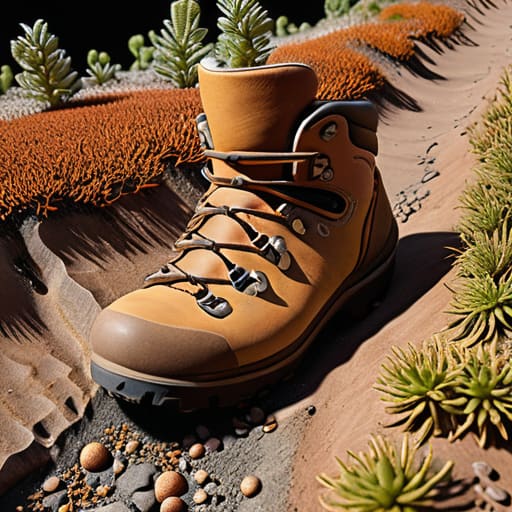
We all know the standard leave no trace principles—don’t litter, don’t take rocks, don’t leave your wrappers behind. Those are the basics, and they’re necessary, but they don’t quite capture the granular reality of what happens when we enter a high-sensitivity zone. When I’m out on a transect, I’m not just looking at the big picture; I’m looking at the microscopic displacement caused by a single heavy boot. A footstep off the designated path isn’t just a minor deviation; it can crush the delicate soil crusts and fungal networks that serve as the literal foundation for the very plants our pollinators depend on.
This is where wildlife conservation etiquette shifts from being about tidiness to being about unseen consequences. It’s easy to think that as long as you aren’t picking flowers, you aren’t doing damage. But for many ground-nesting species, the mere vibration of a person walking through a thicket can be enough to trigger a flight response, wasting precious energy they need for foraging. We have to move past the idea that we are just “visitors” and realize that our presence is a physical variable in a very fragile equation.
Protecting Natural Habitats From Well Intentioned Visitors
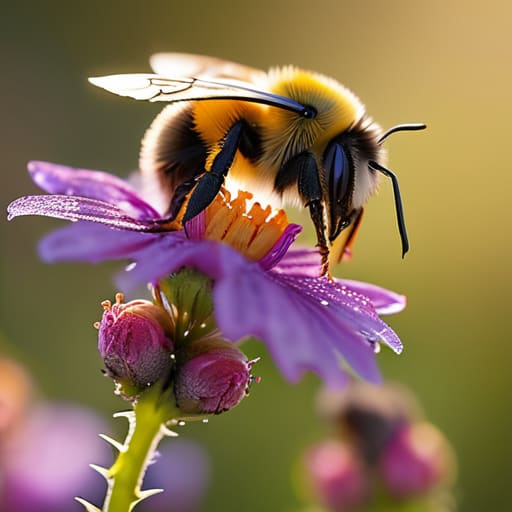
The problem is that most of us approach nature with a “don’t touch” mindset, which is a good start, but it’s a bit too passive. We follow the basic leave no trace principles—pick up your crisp packet, don’t carve your initials into a tree—and think we’ve done our bit. But if you’re standing in a wildflower meadow trying to get that perfect macro shot of a Bombus terrestris, or common carder bee, you might not realize that your heavy boots are compacting the soil around the very roots that sustain them. It isn’t just about litter; it’s about the unseen physical pressure we exert on the micro-habitats that aren’t as resilient as they look.
When we talk about protecting natural habitats, we need to move past just being “tidy” and start being observant. This means recognizing that a “shortcut” through a patch of tall grass isn’t just a way to save three minutes; it’s a way to trample the nesting sites of ground-dwelling invertebrates. True wildlife conservation etiquette isn’t a set of rigid prohibitions; it’s a way of moving through a space with the realization that you are a guest in a very busy, very fragile home.
Small Shifts in How We Move Through the Landscape
- Watch your feet for more than just the mud. When you’re walking, you aren’t just stepping on dirt; you’re potentially crushing the micro-habitats of ground-nesting Hymenoptera—that’s your bees and wasps—or flattening the delicate fungal networks that keep the soil healthy. Stick to the designated paths not because it’s a rule, but because those paths are the only places we’ve agreed the ecology can take the hit.
- Keep your noise levels at a baseline that doesn’t trigger a flight response. I’ve spent hours sitting in hedgerows trying to get a single clear observation of a Bombus terrestris, and a sudden shout or a loud Bluetooth speaker can send a whole colony into a defensive frenzy or simply drive them away from a foraging patch. Silence isn’t just polite; it’s a way to let the wildlife actually exist while you’re there.
- Treat your dog like a guest, not a resident. Even if your dog is the most well-behaved creature on earth, their scent alone can trigger a massive stress response in local fauna. For many small mammals and ground-nesting birds, a passing dog signals a predator is in the area, which can lead to nest abandonment. Keep them on a lead, even if it feels restrictive, because the “freedom” of a roaming dog is often a massive disruption to the local food web.
- Don’t be a collector, even if you think you’re being helpful. I get it—you see a beautiful fallen leaf or a unique stone and want to take a piece of the magic home. But in a reserve, every piece of “litter” is actually structural habitat. That decaying log or pile of leaf mulch is a high-rise apartment for decomposers and larvae. If you take it, you’re essentially evicting the residents.
- Be skeptical of the “Instagrammable” moment. We’ve all seen the photos of someone leaning over a rare wildflower to get the perfect angle. Please, don’t do this. If a plant is rare enough to be worth photographing, it’s usually rare enough to be vulnerable to being trampled or broken by a single misplaced foot. Capture the beauty from a distance; the plant’s survival is more important than the composition of your feed.
How to actually be a decent guest in the field
Stop treating “staying on the path” as a suggestion for your own safety; it’s actually about preventing soil compaction and the crushing of micro-habitats that most people—including many researchers—don’t even realize are there until they’re gone.
When you see a rare plant or a specific insect, resist the urge to move closer for the perfect macro shot; if you’re close enough to see the fine detail, you’re likely already encroaching on a nesting site or a delicate floral resource.
Leave the “discovery” to the data; if you find something interesting, take a photo and note the location, but don’t pick it, move it, or clear the surrounding vegetation to make it more visible, because once you disturb that micro-environment, the local population’s stability is no longer a question of “if” but “when.”
The View From the Transect
At the end of the day, being a responsible visitor isn’t about memorising a list of prohibitions; it’s about shifting your perspective from being a consumer of a landscape to being a temporary guest within it. We’ve talked about why staying on the path matters for soil compaction and why your well-intentioned “nature photography” shouldn’t involve trampling the very wildflowers you’re trying to capture. It comes down to recognizing that these reserves aren’t just scenic backdrops for a weekend hike—they are functioning, fragile biological engines. When we respect boundaries, we aren’t just following rules; we are actively participating in the preservation of the micro-habitats that keep these ecosystems from tipping over the edge.
I know it feels overwhelming. When you read the data on pollinator decline or habitat fragmentation, it’s easy to feel like your single walk through a nature reserve is statistically insignificant. But conservation isn’t just built on massive, sweeping policy changes; it is built on the cumulative effect of millions of small, careful decisions. If we can all learn to move through these spaces with a bit more intentionality, we stop being a pressure point and start becoming part of the solution. It’s about ensuring that the next person—and the next generation of researchers—actually has something real and living left to find.
