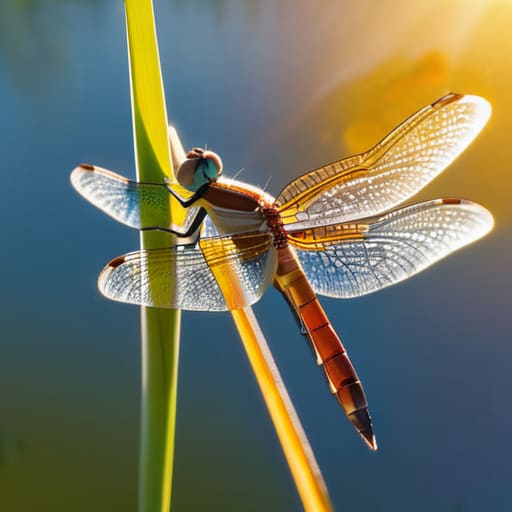
I was standing in a damp hedgerow in mid-July, shivering despite the sun, staring at a transect sheet that was effectively blank. According to every sensationalist headline I’d scrolled through that morning, the record-breaking heatwave should have meant a literal explosion of life. Instead, I was looking at a landscape of stagnant stillness. We have this collective misconception that more heat equals more bugs, but if you actually look at the field data, you see that it’s not that simple. The reality of how temperature drives insect activity is often a game of metabolic trade-offs and survival tactics rather than a straight line upward.
I’m not here to give you the “more heat is better” fairy tale, nor am I going to drown you in thermodynamic equations that no one actually uses in the field. Instead, I want to walk you through what the surveys are actually telling us about these thermal thresholds. I’ll show you where the evidence is rock-solid and where we’re still just educated guessing, so you can understand why a sudden heat spike might actually mean fewer pollinators in your garden rather than more.
Table of Contents
Decoding Ectothermic Metabolic Rates Without the Hyperbole
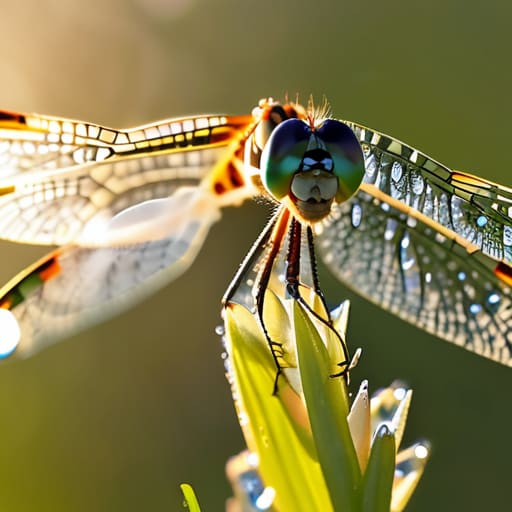
When we talk about why a warm afternoon makes a field suddenly buzz, we’re really talking about ectothermic metabolic rates. Unlike us, insects can’t just shiver or sweat to regulate their internal temperature; they are essentially at the mercy of the air around them. As the ambient temperature rises, their internal chemistry speeds up. This isn’t just a casual increase in movement; it’s a fundamental shift in how they process energy. If you look at the data from my recent transects, you can see this clearly: a few degrees of difference doesn’t just make them “busier,” it fundamentally alters their insect developmental rates, forcing them to grow, molt, and reproduce on a much tighter, more frantic schedule.
However, there is a massive caveat that headlines always miss: more heat does not always mean more life. Every species has a specific thermal optimum for insects, a sweet spot where their metabolism is efficient without being self-destructive. Once you push past that peak, you hit their thermal tolerance limits. Instead of a population boom, you often see a metabolic crash where the energy cost of simply staying alive outweighs the energy they can gather from foraging.
Finding the Real Thermal Optimum for Insects
When we talk about the “perfect” temperature for a species, we aren’t looking for a single magic number, but rather a bell curve. Every species has a specific thermal optimum for insects, a sweet spot where they can forage, mate, and move with maximum efficiency. In my fieldwork, I see this play out in real-time; a species might be incredibly active at 22°C, but if the afternoon spike hits 30°C, you’ll see them suddenly vanish from the transects. They aren’t gone, they’re just waiting for the heat to break.
The problem is that “optimum” is a moving target. As we see more volatile weather patterns, we’re observing shifts in insect developmental rates that don’t always align with the plants they depend on. If a larvae develops too quickly because of a warm spring, it might emerge before its primary food source has even budded. This isn’t just a minor timing glitch; it’s a fundamental mismatch in the ecosystem. We have to look past the averages and start looking at these extreme thermal fluctuations to understand what’s actually happening on the ground.
What the Data Actually Tells Us About Managing for Heat
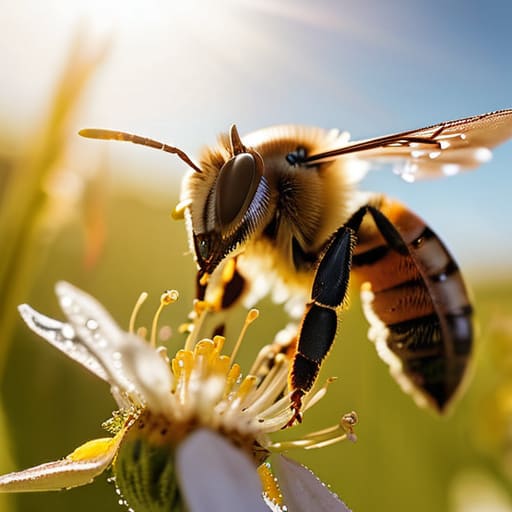
- Don’t mistake a sudden spike in sightings for a population boom; Bombus terrestris (the buff-tailed bumblebee) might be more visible during a warm spell simply because they are forced to forage more frequently to meet metabolic demands, not because there are more of them.
- When planning garden or field margin layouts, prioritize thermal refugia—shaded, damp microclimates—because even if the regional temperature is rising, an insect’s immediate survival depends on finding a spot that hasn’t hit its critical thermal maximum.
- Watch the timing, not just the count; as temperatures shift, we see phenological mismatch, where the emergence of a specific pollinator no longer lines up with the flowering of its primary food source, regardless of how much nectar is available.
- Avoid the “more is better” trap with heat-loving plants; while they might attract certain species, if the ambient temperature pushes a local population past its thermal optimum, those extra flowers won’t compensate for the physiological stress the insects are under.
- If you are looking at survey data, always check the weather logs for the collection period; a week of unseasonably warm weather can skew a local census so heavily that it looks like a success story, when in reality, it’s just a temporary shift in activity patterns.
What the Data Actually Tells Us
Higher temperatures don’t automatically mean more insects; they often just mean a narrower window of time where an insect can actually afford to be active without overheating.
We need to stop looking at average temperatures and start looking at extreme spikes, because a single heatwave can disrupt a life cycle more than a decade of mild winters.
Conservation isn’t about “saving the bugs” in a vacuum—it’s about protecting the specific thermal microclimates, like shaded hedgerows, that act as essential cooling stations.
Moving Beyond the Thermometer
To wrap this up, we have to stop treating temperature as a simple “on/off” switch for insect life. We’ve seen that while metabolic rates dictate the baseline of activity, it is the specific thermal optimum—that narrow window where an organism isn’t just surviving, but actually thriving—that determines whether a population holds steady or crashes. When we look at the survey data, it becomes clear that even a slight shift in these windows can de-sync a pollinator from its food source. It isn’t just about the heat itself; it is about the predictability of the thermal environment and how much wiggle room a species has before it hits its physiological limit.
If this sounds a bit daunting, that is because the data tells us the margin for error is shrinking. But there is a way forward that doesn’t involve shouting into the void. Instead of panicking over every headline, we need to focus on building thermal refugia—the messy, unmanicured hedgerows, the shaded garden corners, and the diverse plant palettes that provide microclimates. By creating a landscape that isn’t just one giant, sun-baked expanse, we give these tiny, complex lives a fighting chance to find their rhythm again. We can’t control the thermometer, but we can certainly control the complexity of the habitat we leave behind.
