Last Tuesday, I spent four hours standing in a sodden, waist-high hedgerow in the Midlands, trying to distinguish between two nearly identical species of hoverfly while the rain turned my field notebook into a pulp. It was miserable, damp, and entirely necessary. When people talk about conservation, they usually treat it like a polished, aesthetic concept—lots of slow-motion footage of butterflies on wildflowers. But when we strip away the glossy infographics, we find that what biodiversity actually means isn’t just a high body count of pretty things; it’s the messy, granular reality of how specific, often invisible organisms interact with a landscape that is constantly changing.
I’m not here to sell you on a vague sense of wonder or to scare you with apocalyptic headlines that lack a single data point. Instead, I want to give you a clear-eyed look at the mechanics of life. We’re going to move past the buzzwords and look at what the surveys are actually telling us, why a single patch of bare soil might be more important than a manicured lawn, and how to tell the difference between a habitat that is truly thriving and one that is merely hanging on by a thread.
Table of Contents
Moving Past the Body Count to Biological Diversity Levels
When I’m out on a transect, it’s easy to fall into the trap of thinking that more is always better. If I count fifty bees in an hour instead of ten, I feel like I’ve had a “good” day. But a high body count doesn’t tell the whole story. To understand the health of a landscape, we have to look at the different biological diversity levels working beneath the surface. It isn’t just about the sheer number of individuals; it’s about the layers of complexity that keep a system from collapsing when things get difficult.
First, there is the variety of species themselves, which is what most people focus on. But if you ignore genetic variation in populations, you’re missing the most important insurance policy nature has. A field full of genetically identical aphids is far more vulnerable to a single disease than a diverse group with a deep toolkit of traits. Then there is the functional side of things—the way different organisms play specific roles. We need to move beyond just counting heads and start looking at how these players interact to maintain the importance of ecosystem services, like pollination or nutrient cycling, that we all rely on.
Why Genetic Variation in Populations Matters More Than Headlines
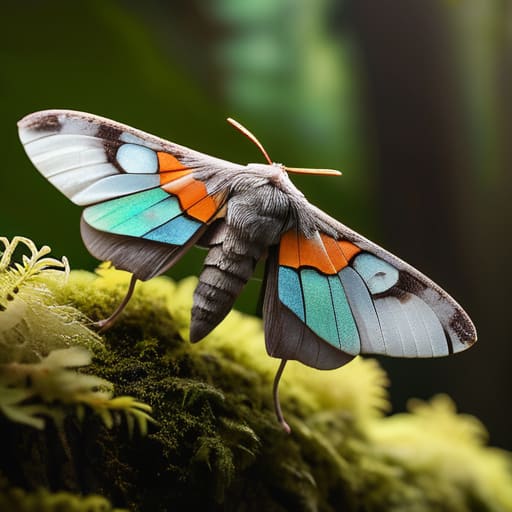
When you see a headline screaming about a species’ decline, the instinct is to count the individuals left. But a high number of survivors doesn’t always mean a species is safe. This is where we have to look at genetic variation in populations. You can have a thousand individuals of a single moth species in a field, but if they are all essentially clones—or even just highly inbred due to recent habitat fragmentation—they are effectively a house of cards. Without that internal toolkit of different traits, the whole group can be wiped out by a single season of unexpected drought or a new pathogen.
This is why the impact of habitat loss is so much more insidious than just losing space. It’s not just that the insects have fewer places to sit; it’s that they are being forced into isolated “islands” of greenery. When these populations can’t reach each other to swap DNA, they lose the ability to adapt. To me, real conservation isn’t just about keeping a species on a spreadsheet; it’s about ensuring they have the genetic resilience to survive a world that is changing faster than they can evolve.
Beyond the Spreadsheet: How to Actually Measure What Matters
- Look for functional diversity, not just a headcount. It’s easy to get excited about seeing fifty different species of beetles in a single square meter, but if they all perform the exact same ecological job—say, scavenging dead organic matter—you don’t actually have a resilient system. You need the specialists, the pollinators, and the predators working in concert.
- Prioritize the “unsexy” species. Headlines love a charismatic butterfly or a massive stag beetle, but biodiversity is often held together by the things we ignore, like the specific soil mites or the inconspicuous hoverflies that keep your garden from becoming a monoculture of pests. If you’re only protecting the “pretty” things, you’re missing the engine room.
- Value connectivity over isolated pockets. A single, pristine wildflower meadow is great, but if it’s an island surrounded by two miles of intensive rye-grass lawn, it’s a trap. Real biodiversity requires “stepping stones”—hedgerow margins, even just a few patches of weeds in a driveway—that allow species to move and actually interact.
- Watch the timing, not just the presence. We often talk about species presence as a binary (they are there or they aren’t), but phenology—the timing of life events—is a huge part of what biodiversity means in practice. If the bees emerge two weeks before the flowers bloom because of a weird spring, the “biodiversity” on your spreadsheet looks fine, but the ecosystem is actually failing.
- Distinguish between abundance and stability. A massive spike in one specific species might look like a success story in a survey, but it can actually be a sign of an ecosystem under stress or becoming dominated by a single opportunistic player. True biodiversity is characterized by a balanced distribution where no single species is so dominant that it suppresses the others.
The Real Takeaways
Stop treating “biodiversity” like a single number; a garden with fifty types of grass isn’t as biodiverse as one with five types of wildflowers that actually feed specific specialist pollinators.
Genetic diversity is the invisible safety net—if we only focus on keeping a species from going extinct without protecting its genetic variety, we’re just managing a slow-motion collapse.
Good conservation isn’t about chasing headlines or “saving the world” in one go; it’s about understanding the specific ecological roles species play and making sure the local landscape actually supports them.
Beyond the Data Points
When we strip away the sensationalist headlines, biodiversity reveals itself as a complex, multi-layered system rather than a simple tally of how many bugs we can find on a transect. It isn’t just about the sheer number of species present; it is about the functional roles those species play and the genetic resilience hidden within their populations. If we only focus on the “body count,” we risk missing the quiet collapse of the connections that actually keep an ecosystem breathing. We have to look at the species, the variety within them, and the way they interact with their habitat to understand if a landscape is truly healthy or if it is just performing health.
This realization can feel heavy, but it is actually where the real agency lies. Once you understand that biodiversity is about quality and connection rather than just quantity, your approach to conservation changes. You stop looking for a magic bullet and start looking at the margins—the messy, unmanicured edges of a garden or the specific, often overlooked wildflowers in a hedgerow. Small, evidence-led actions, like planting for a specific pollinator or leaving a patch of ground to go to seed, matter because they support the actual mechanics of life. We don’t need to save everything all at once; we just need to start protecting the integrity of the systems that allow life to persist.
