I spent three summers of my undergrad standing in waist-deep, sodden grass on hedgerow transects, waiting for a single Bombus terrestris—the common buff-tailed bumblebee—to cross my path while the rain turned my field notebook into a pulpy mess. People think learning how to start watching wildlife requires a high-end spotting scope, a $400 field guide, or a sudden, inexplicable urge to hike into a remote wilderness. But if you wait for the “perfect” moment or the “perfect” gear, you’ll miss everything. Most of the excitement in nature media is built on a foundation of performative observation, where people chase the rare and the beautiful while completely ignoring the actual, living ecosystem right under their feet.
I’m not here to sell you on a lifestyle brand or a list of expensive binoculars. Instead, I want to show you how to look at the small, messy, and often overlooked bits of life that actually matter. We are going to talk about what the surveys actually measure, how to distinguish a real sighting from a lucky guess, and why meaningful observation starts with your own garden or the patch of weeds by the bus stop. I’ll tell you when the data is solid and when we’re just guessing, because that’s the only way to actually understand what’s happening out there.
Table of Contents
Beyond the Hype Choosing Binoculars for Birding and Observation
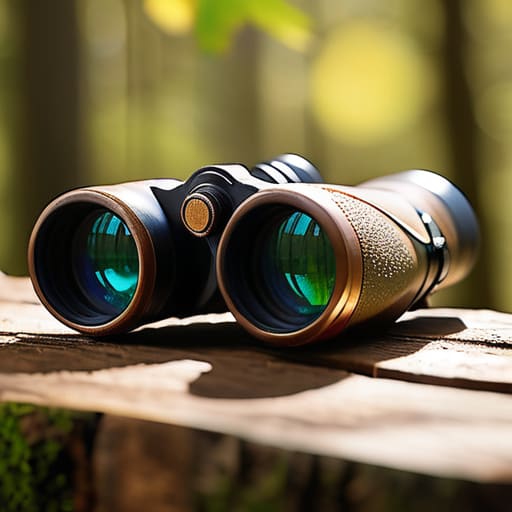
If you’ve spent any time on social media, you’ve probably seen the “gear porn”—those sleek, professional-grade setups that cost more than my entire PhD stipend. It is easy to fall into the trap of thinking you need a thousand-pound setup to be a “real” observer. But if you are just starting with birdwatching for beginners, the most important thing to understand is that magnification is secondary to clarity. You don’t need to see a feather’s individual barbule; you need to see the pattern of the wing bar so you can actually identify the species.
When looking at binoculars for birding, I always tell my moth group the same thing: don’t get seduced by the highest zoom number. High magnification often means a narrower field of view, which is a nightmare when you’re trying to track a quick-moving sparrow through a thick hedgerow. Look for something with a decent objective lens diameter—usually around 42mm—to let in enough light for those grey, drizzly mornings I seem to spend in the field. It’s about finding a balance between weight and light transmission, not just buying the most expensive thing on the shelf.
The Truth About Wildlife Observation Equipment and Real Data
Here is the reality of the data: most people think they are “watching wildlife” when they are actually just spotting the loudest, most obvious things. If you’re just looking for a bright red robin, you aren’t really observing; you’re just confirming what you already expected to see. Real data—the kind that actually tells us if a population is stable or crashing—comes from the boring stuff. It comes from noticing that the Bombus terrestris (the buff-tailed bumblebee) is appearing three days later in your garden than it did last year, or that a specific moth species has vanished from your local hedgerow.
This is why your choice of wildlife observation equipment matters less than your methodology. You don’t need a $2,000 DSLR to participate in meaningful citizen science; you need a notebook and a sense of patience. While many guides on birdwatching for beginners focus on the gear, I want you to focus on the baseline. Before you buy anything else, spend a week just sitting in the same spot at the same time. You need to know what “normal” looks like for your patch of ground before you can claim that anything has actually changed.
Forget the Gear: Five Ways to Actually Start Seeing What’s There
- Learn the “non-charismatic” species first. It is easy to get excited about a stag beetle or a kingfisher, but if you only look for the stars, you’ll miss the actual engine of the ecosystem. Start by identifying the common hoverflies or the small brown moths in your garden; once you know what “normal” looks like, the rare stuff becomes much easier to spot.
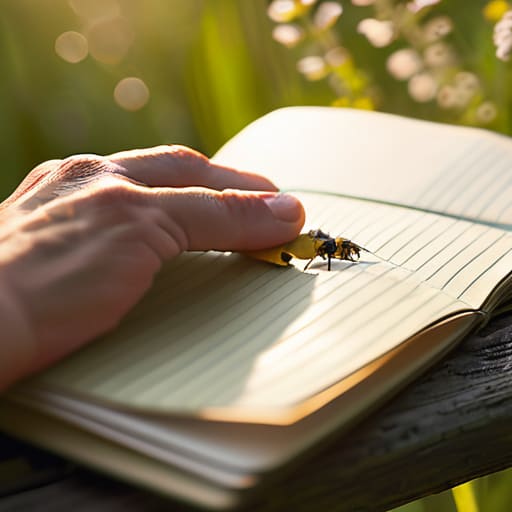
- Stop relying on your memory and start a log. I’ve spent too many afternoons thinking, “I definitely saw a Bombus terrestris earlier,” only to realize I was just guessing. Whether it’s a battered notebook or a spreadsheet, write down the date, the weather, and exactly what you saw. Anecdotes are how we get science wrong; data is how we get it right.
- Master the art of the “quiet sit.” You don’t need to trek into a national park to observe wildlife. Most of the best data comes from sitting still in a single patch of hedgerow for twenty minutes. If you’re constantly moving or adjusting your gear, you’re just another disturbance in the landscape. Let the insects come to you.
- Use identification keys, not just apps. I love a good field guide as much as the next person, but AI-driven identification apps can be dangerously overconfident. They often give you a “certain” answer that is actually a completely different species. Always cross-reference an app’s suggestion with a proper taxonomic key or a reliable field guide to see if the markings actually match.
- Observe the context, not just the creature. If you see a butterfly, don’t just note the species; note what it is doing. Is it on a specific flower? Is it hovering? Is it a male defending territory? Watching the interaction between an organism and its habitat tells you way more about its survival than a simple headcount ever will.
Cutting Through the Noise: Three Ways to Actually Start
Stop chasing the “charismatic megafauna” and start looking at what’s actually present; a garden full of common hoverflies tells a much more honest story about your local ecosystem than a single, rare butterfly sighting does.
Prioritize consistency over intensity, because one twenty-minute walk every week for a season provides infinitely better data than a single, frantic afternoon spent trying to spot everything at once.
Learn to embrace the “I don’t know”—if you can’t identify a specimen, record its shape, color, and behavior instead of guessing, because accurate uncertainty is more useful for conservation than a confident wrong answer.
Moving Beyond the Gear
At the end of the day, your ability to observe wildlife isn’t defined by whether you own the latest Swarovski binoculars or a high-spec macro lens for your phone. We’ve talked about why the gear matters for clarity, but the real work happens in the consistency of your presence. It’s about moving past the impulse to hunt for the “rare” or “charismatic” species that make for a good social media post and instead learning to recognize the subtle, rhythmic patterns of the organisms actually inhabiting your local patch. Whether you are tracking the flight paths of Bombus terrestris (the buff-tailed bumblebee) or just noting when the first swallows arrive, the goal is to build a baseline of reliable, repeatable observation rather than a collection of one-off sightings.
If you feel overwhelmed by the sheer scale of what we’re losing, remember that data is a form of resistance. When we stop relying on sensationalist headlines and start recording what is actually happening in our hedgerows and gardens, we move from being passive spectators to active participants in the story of our changing planet. You don’t need to be a PhD student to make a difference; you just need to start looking closely. The more we know about what is actually there, the better we can fight to keep it there.
