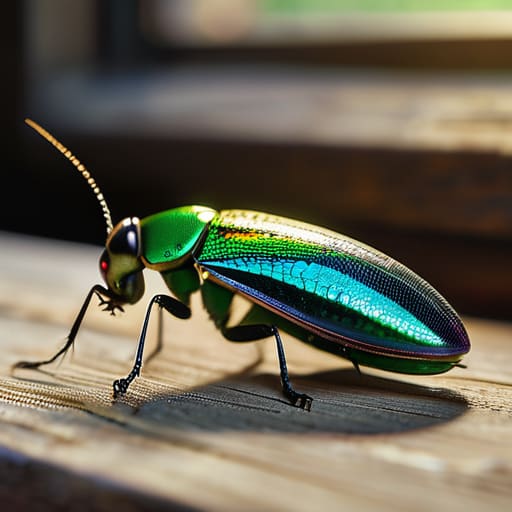
I once spent four hours crouched in a damp hedgerow near Leicester, squinting through a hand lens at a patch of nettles, only to realize I’d misidentified a common hoverfly as a rare specialist because I was too eager to find something “important.” It’s that exact pressure—the feeling that you need a PhD or a thousand-pound macro lens to make sense of the chaos in your garden—that makes most people give up before they even start. Most people think a complete guide to insect identification has to be a heavy, Latin-drenched tome that makes your eyes glaze over, but that’s not how real field biology works.
I’m not here to give you a list of names to memorize or to sell you on the idea that every brown beetle is an endangered miracle. Instead, I want to show you how to actually see what is happening in your local ecosystem by looking at the right markers. This is a no-nonsense approach to recognizing what’s under your feet, moving from the broad groups down to the specific details that matter. We’re going to focus on the patterns that actually help you tell species apart, without the unnecessary academic fluff that usually gets in the way.
Table of Contents
Mastering Entomology Classification Basics Without the Hype
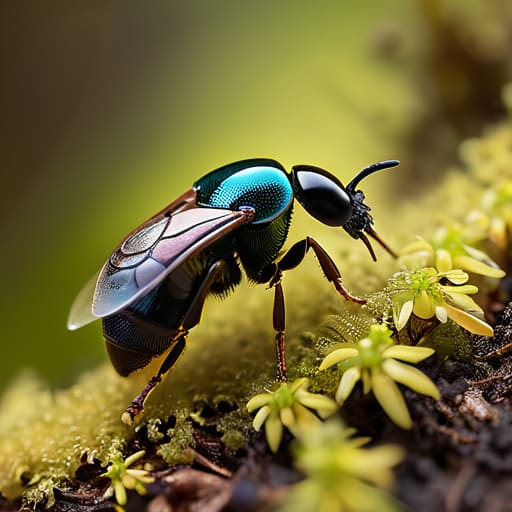
When you first open a textbook, the hierarchy of life looks like a giant, intimidating pyramid. But if we strip away the academic jargon, entomology classification basics are really just about looking for specific “rules” that nature follows. Instead of trying to memorize every single species name—which is a losing battle even for me—you should focus on identifying insect orders first. Think of it like sorting your laundry; you don’t start by looking for a specific navy blue sock, you start by separating the whites from the darks. Once you know if you’re looking at a Hymenopteran (the order containing bees and wasps) or a Coleoptera (the beetles), the world becomes significantly less chaotic.
To do this well, you have to get comfortable with a bit of investigative work. This usually involves using dichotomous key examples, which are essentially a series of “yes or no” questions based on physical traits. You aren’t guessing; you are measuring. You’ll look at the number of wing veins, the segment count on an antenna, or the shape of a tarsus. It’s not about having a magical instinct; it’s about training your eyes to see the small, structural differences that actually matter.
Identifying Common Garden Insect Species Beyond the Headlines
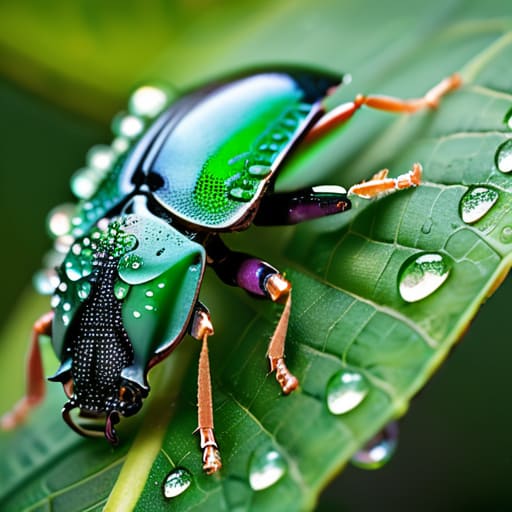
When you’re actually out in the field—or just standing in your garden after a light drizzle—you quickly realize that identifying common garden insect species isn’t about memorizing a list of names from a Wikipedia summary. It’s about learning to see. Most people see “a bee” or “a beetle,” but if you want to move past the guesswork, you have to start looking at the architecture. This is where a basic understanding of insect anatomy for beginners becomes your best tool; once you notice the specific arrangement of tarsal claws or the venation pattern in a wing, the world stops being a blur of movement and starts becoming a map of distinct lineages.
I often tell my moth trap group that you don’t need a PhD to start, but you do need to be patient with the process. Instead of jumping to a conclusion because a bug looks “scary” or “rare,” try using dichotomous key examples to walk through the physical traits systematically. It’s much more satisfying to follow the logic of a key—asking if the antennae are filiform or pectinate—than it is to just guess based on a grainy photo. It turns identification from a game of luck into a methodical way of observing the actual life happening under your nose.
How to actually identify things without losing your mind
- Stop looking at the whole bug at once. If you try to identify a specimen by its “general vibe,” you’re going to end up with a wrong ID every single time. You need to pick one specific feature—the venation pattern in a wing, the segment count on an antenna, or the shape of a tarsal claw—and look at that. One feature tells you the genus; three or four features tell you the species.
- Learn the Latin names first, even if they feel clunky. It sounds pedantic, but “Common Blue” is a useless term when you’re trying to distinguish between two different species that look identical to the untrained eye. Once you know it’s Polyommatus Icarus, you can actually look up the specific diagnostic keys that separate it from its cousins.
- Context is just as important as morphology. If you find a weirdly shaped beetle, don’t just stare at its shell; look at what it’s doing. Is it on a specific host plant? Is it active at dusk or mid-day? A lot of my best IDs come from noting that a specific moth only shows up when Rubus fruticosus is in bloom, rather than just squinting at a blurry photo.
- Accept that your first ID is probably a guess. Even in my PhD work, I have “provisional IDs” that I only confirm after a second look or a microscopic check. If you aren’t 100% sure, record it as “cf.” (which is short for confer, meaning “compare to”) or just note it as a species group. It’s much better to be a cautious observer than a confident person spreading wrong data.
- Get comfortable with the “uncomfortable” tools. A smartphone camera is great for a quick snap, but if you actually want to move past the beginner stage, you need a hand lens. Being able to see the fine hairs on a bee’s thorax or the tiny punctures on a leafhopper’s wing is the difference between a guess and a data point.
How to Actually Use This Information
Focus on the small details that matter—like wing venation or tarsal claws—rather than trying to guess a species based on a vague “vibe” or a single color pattern.
Use your observations to build a baseline of what is actually present in your space, which is far more useful for local conservation than chasing every rare butterfly you see on a newsfeed.
Accept that identification is a skill that takes time; it is perfectly okay to label something as ‘unidentified Apidae’ until you have the proper lighting or a better macro lens to confirm it.
Moving From Identification to Action
We’ve covered a lot of ground, from the actual mechanics of taxonomic classification to stripping away the sensationalism that often clouds how we view common garden visitors. Remember that identifying an insect isn’t just about slapping a Latin name on a specimen; it’s about understanding its role within the specific micro-ecosystem of your garden or local field margin. Whether you are distinguishing between a hoverfly and a bee or finally getting your hands on a decent field guide, the goal is to move past the “scary headline” phase and into a space of accurate observation. Knowing exactly what is flying through your hedgerow is the only way to know if the changes you are making to your land are actually working.
At the end of the day, I don’t want you to feel like you need a PhD to step outside, but I do want you to feel the weight of what you’re seeing. When you start to recognize the difference between a generalist species and a specialist that relies on a specific host plant, the world gets much larger and much more fragile. Don’t let the complexity of the data paralyze you; instead, let it fuel a purposeful kind of curiosity. We cannot protect what we don’t bother to name, so keep your eyes on the margins, keep your notebooks ready, and most importantly, keep counting.
