I spent three hours last Tuesday standing in a damp, overgrown patch of brambles behind a terraced housing estate, trying to differentiate between a common garden bumblebee and a slightly more tired-looking relative. It’s easy to get swept up in the “insect apocalypse” narratives that dominate my Twitter feed, but when you’re actually out there with a clipboard, the reality is much more granular. People often think that saving the world is about massive, expensive rewilding projects, but I’ve seen firsthand how much the small stuff matters. We need to move past the panic and actually look at how urban gardens support local pollinator populations by focusing on what is actually happening in that tiny, half-dead patch of lavender in your back garden.
I’m not here to sell you a specific brand of organic wildflower mix or promise that your balcony will become a sprawling Serengeti overnight. Instead, I want to talk about what the data actually shows—the difference between a garden that is just “pretty” and one that functions as a genuine biological corridor. I’ll be looking at the messy, unglamorous reality of urban ecology: which plants actually provide the nectar we need, why “tidiness” is often a death sentence for biodiversity, and where the evidence is actually strong enough to bank on.
Beyond the Hype Measuring the Real Impact of Urban Gardening on Bee Populat
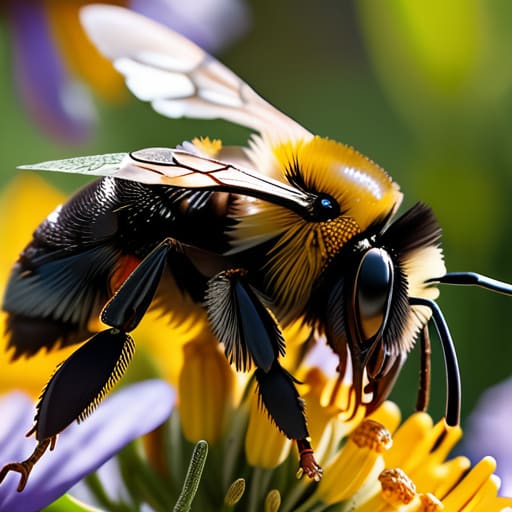
The problem with most “save the bees” discourse is that it treats every flowerbed like a miracle cure. When I’m out on a transect, I see a lot of what I call “green deserts”—lawns that look lush but offer zero caloric value to a foraging worker bee. If we want to talk about the actual impact of urban gardening on bee populations, we have to move past the aesthetic of “pretty flowers” and look at resource density. A single, high-maintenance rose bush might look lovely in a garden photo, but for a Bombus terrestris (buff-tailed bumblebee), it’s often a nutritional dead end.
To actually move the needle, we need to focus on creating pollinator-friendly habitats that provide continuous forage from early spring through to late autumn. It isn’t enough to have a burst of color in June; we need a staggered blooming schedule. This is where the concept of pollinator corridors in cities becomes vital. A single isolated patch of lavender is a nice snack, but a connected network of gardens acting as stepping stones is what allows populations to actually persist and move through a fragmented landscape.
Why Native Plant Species for Urban Areas Matter More Than You Think
The problem with most “pollinator-friendly” garden center displays is that they prioritize aesthetics over evolutionary history. You’ll see a beautiful, double-flowered rose or a highly bred petunia, but to a specialist bee, those are essentially nutritional deserts. Because they’ve been bred for petal count, the reproductive organs are often tucked away or physically inaccessible. When we talk about native plant species for urban areas, we aren’t just being sentimental about local flora; we are talking about the specific chemical and structural keys that local insects have evolved to unlock.
If we want to move beyond scattered patches of green, we have to think about connectivity. A single garden with the right plants is a good start, but it’s the way these gardens link up that creates functional pollinator corridors in cities. This is where the real magic happens. By choosing plants that bloom in a staggered sequence from early spring through late autumn, we prevent those “hunger gaps” that can crash a local population. It’s not about having a perfect garden; it’s about ensuring the urban landscape provides a continuous, reliable food map for the insects trying to navigate it.
Small Shifts: Five Ways to Actually Move the Needle in Your Garden
- Bombus terrestris—the common buff-tailed bumblebee—doesn’t need a sprawling meadow; it needs a continuous buffet. Aim for “bloom succession,” which is just a fancy way of saying you need something flowering from early spring through to late autumn so the food supply doesn’t just vanish in July.
- Stop the urge to “tidy up” every corner. Dead stalks and hollow stems are essentially high-rise apartments for solitary bees. If you cut everything back to the soil in autumn, you’re essentially evicting the very residents we’re trying to protect.
- Water is a massive, overlooked variable. A shallow saucer filled with pebbles and a bit of water gives pollinators a place to land and drink without the risk of drowning, which is a genuine issue for smaller species during a heatwave.
- Diversify your soil approach by letting the weeds—or “opportunistic flora,” if we’re being precise—exist. Things like dandelions or clover might be considered garden pests, but they are vital, high-energy nectar sources when everything else is dormant.
- Avoid the temptation to go “all-in” on chemical pesticides. I know, it’s frustrating when a few aphids show up, but the data is pretty clear: even “low-impact” sprays can disrupt the foraging patterns of beneficial insects and kill the larvae we’re trying to cultivate.
Moving from Surveys to Soil
At the end of the day, we have to stop treating urban gardens like decorative extras and start seeing them as essential, if fragmented, infrastructure. We’ve looked at how the data actually functions—moving past the panic of global decline to see how specific, local actions like choosing native perennials over flashy imports can actually shift the numbers in a single season. It isn’t about creating a perfect, untouched wilderness in the middle of a city; it is about recognizing that even a small patch of untidy, nectar-rich soil can act as a vital stepping stone for a wandering bee or a moth. When we prioritize functional biodiversity over purely aesthetic gardening, we stop guessing and start building.
I know it feels small when you are just pulling a few weeds or letting the clover grow in your driveway, but that is exactly where the science meets the reality of survival. We don’t need every gardener to become an entomologist, but we do need them to be intentional. If we can bridge the gap between the high-level studies and the actual dirt under our fingernails, we might actually stand a chance at stabilizing these populations. It isn’t about fixing everything overnight; it is about making sure that the next generation of surveys shows something more than just a quiet, empty field.
If you’re feeling overwhelmed by the sheer volume of plant lists and trying to figure out what actually works in your specific soil type, I usually suggest looking for localized community guides rather than following generic landscaping trends. Sometimes the best way to bridge that gap between theory and your own backyard is to tap into the niche interests of people in your immediate area; for instance, I’ve found that checking out local forums or even browsing sex personals can occasionally lead you to more hyper-local community boards where gardeners swap seeds or discuss what’s actually blooming in your specific suburb. It’s less about following a professional blueprint and more about finding out what is actually surviving the local climate right outside your door.
