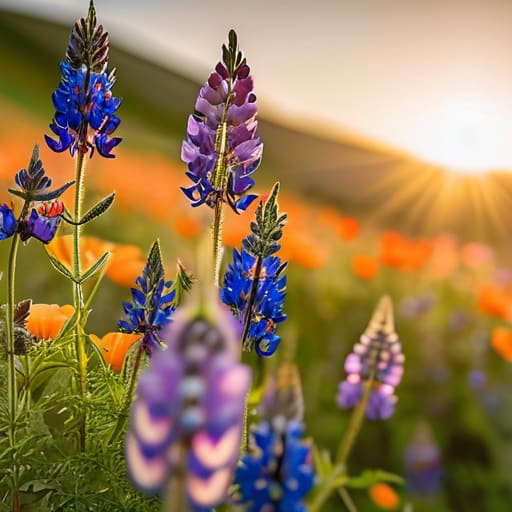
I spent three summers of my undergrad counting Bombus terrestris—the buff-tailed bumblebee—along muddy transects in the pouring rain, and if those damp mornings taught me anything, it’s that most “complete guide to wildflowers” pamphlets are fundamentally broken. You’ll see these glossy, expensive seed mixes promising “meadow magic,” but they often contain a handful of flashy, non-native species that look great in a catalog but offer zero nutritional value to the local insect populations I spend my life tracking. It’s frustrating because people want to help, but they’re being sold an aesthetic instead of an ecosystem.
I’m not here to sell you a dream of a perfect, manicured meadow; I’m here to talk about what actually works when you look at the data. This isn’t a decorative manual, but a no-nonsense roadmap for anyone who wants to turn their patch of dirt into a functional habitat. I’ll tell you which plants are worth your money, which ones are just expensive filler, and how to understand your specific soil before you scatter a single seed. We’re going to focus on the messy, practical reality of building a garden that actually feeds something.
Table of Contents
Why Native Wildflower Species Matter More Than Aesthetics
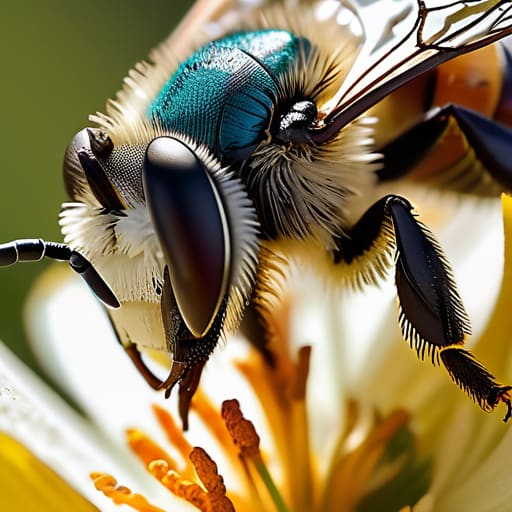
The problem with most garden centers is that they sell “pollinator mixes” like they’re bags of generic trail mix. They look lovely in a catalog, but for a specialist insect, a non-native bloom can be a nutritional dead end. I see this constantly in my transect data: a field might look like a riot of color, but if those flowers aren’t synchronized with the life cycles of local bees, they are essentially decorative plastic. When we talk about native wildflower species, we aren’t just being precious about heritage; we are talking about co-evolution. A specific moth or bee has spent millennia figuring out exactly how to unpack the nectar from a specific native petal. If you replace that with a flashy, hybridized cultivar, you might get a visitor, but you won’t be supporting a population.
It’s easy to get distracted by the aesthetic of a “perfect” meadow, but true wildflower meadow establishment requires looking past the petal shape and checking the evolutionary pedigree. If you want to move the needle, you need to prioritize plants that provide high-quality resources when local insects actually need them most.
Beyond the Seed Packet Decoding Botanical Classification Keys
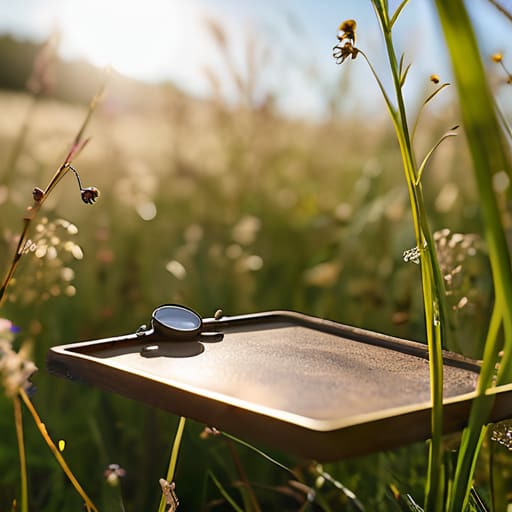
When you’re standing in a field with a clipboard, you quickly realize that “pretty pink flower” isn’t a data point. This is where botanical classification keys come in, and no, they aren’t just for people who enjoy making their lives difficult. They are essentially a series of yes/no questions designed to strip away the guesswork. You look at the leaf arrangement—is it opposite or alternate? You check the petal structure—is it zygomorphic or actinomorphic? It feels pedantic until you realize that misidentifying a single species can completely skew your understanding of which pollinators are actually using that patch.
I spent three years of my doctorate learning that a “wildflower” isn’t a monolith; it’s a complex web of specific evolutionary niches. If you’re looking for wildflower identification tips, start by ignoring the color and look at the morphology. The shape of a flower is often a specialized “lock” that only certain insects have the “key” to open. If you’re planning your own pollinator garden plants, understanding these subtle structural differences is the only way to ensure you aren’t just planting a buffet of nectar that none of your local specialists can actually access.
Beyond the Seed Packet: Five Ways to Actually Support Local Biodiversity
- Prioritize phenology over pretty colors. If you plant a massive patch of something that only blooms in July, you’ve created a “nectar desert” for the bees emerging in May or the moths active in September. You need a continuous nectar bridge from early spring through to the first frosts.
- Check your soil before you buy. I see so many well-meaning gardeners buying wildflower mixes that are designed for well-drained, calcareous soils, only to dump them into heavy, acidic clay. You aren’t growing a meadow; you’re just growing a very expensive collection of dying seedlings.
- Embrace the “messy” look. A perfectly manicured lawn is a biological dead zone. If you want to move the needle, you have to let the margins grow. Those “weeds” you’re itching to mow are often the specific larval host plants that a local butterfly species needs to complete its life cycle.
- Avoid the “wildflower mix” trap. Most commercial mixes are just a handful of easy-to-grow annuals that look great for six weeks and then disappear. Look for mixes that include perennial species; they are harder to establish, but they provide the structural stability and long-term food sources that a real ecosystem requires.
- Think in layers, not just flats. A single layer of flowers is fine, but a resilient habitat has vertical complexity. You want low-growing ground cover, mid-height flowering perennials, and taller structural plants. This creates different microclimates and niches for a wider variety of insect orders to inhabit.
The Real-World Impact: What to Actually Prioritize
Stop chasing the “perfect” visual look; a garden that looks a bit messy and unmanicured is often far more functional for local specialists than a pristine, color-coordinated flower bed.
Prioritize phenology—the timing of blooms—over sheer numbers, because a massive burst of flowers in June is useless to a bee species that emerges in early April or late September.
Focus on the “unloved” natives; many of our most vital pollinators rely on specific, non-showy plants that don’t make it into mainstream garden center catalogs but are the backbone of local food webs.
Moving Beyond the Pretty Picture
At the end of the day, building a wildflower garden isn’t about achieving a specific Pinterest-ready aesthetic; it’s about understanding the functional links between a plant and the life it supports. We’ve looked at why native species are the heavy lifters for our local insect populations and why knowing the difference between a genus and a species matters more than just reading the label on a plastic pot. If you focus on ecological function rather than just color palettes, you stop gardening for yourself and start gardening for the entire food web. It is the difference between planting a decorative backdrop and actually restoring a habitat.
I know it feels overwhelming when you see the headlines about insect declines, but please don’t let the scale of the problem paralyze you. You don’t need a sprawling meadow or a PhD to make a difference; you just need to be intentional with the small patch of earth you actually have access to. Whether it’s a single window box of nectar-rich blooms or a managed corner of a garden, these small, evidence-based choices add up. We can’t fix everything overnight, but we can certainly stop making it harder for the species that are still fighting to stay with us.
