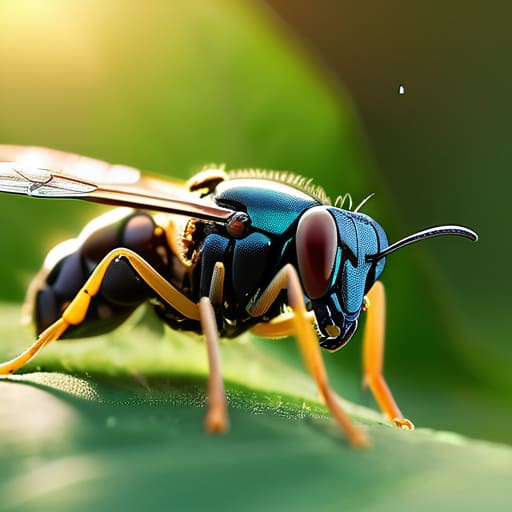
I was knee-deep in a damp hedgerow last Tuesday, squinting through a hand lens at a single, slightly battered caterpillar, when I realized how much we get wrong about the “warfare” happening in our gardens. Most nature documentaries frame it as this cinematic, high-stakes battle, but the reality of how parasitoid wasps operate is far more subtle and, frankly, much more interesting than a Hollywood script. You won’t find a “silver bullet” solution in a single headline; instead, you find a complex, often messy biological process where a female wasp locates a host, deposits her eggs, and—as the larvae develop—effectively repurposes the host’s own body. It isn’t a clean, efficient machine; it is a delicate, highly specific ecological dance.
I’m not here to give you a sensationalist horror story or a simplified manual on “natural pest control.” My goal is to pull back the curtain on the actual field data and show you the mechanics of the lifecycle without the breathless hype. I want to explain what these tiny organisms are actually doing in your flower beds and why understanding their specific host preferences is much more useful than just hoping they’ll show up to save your roses.
Table of Contents
Decoding the Ovipositor Mechanism Explained Without the Sensationalism
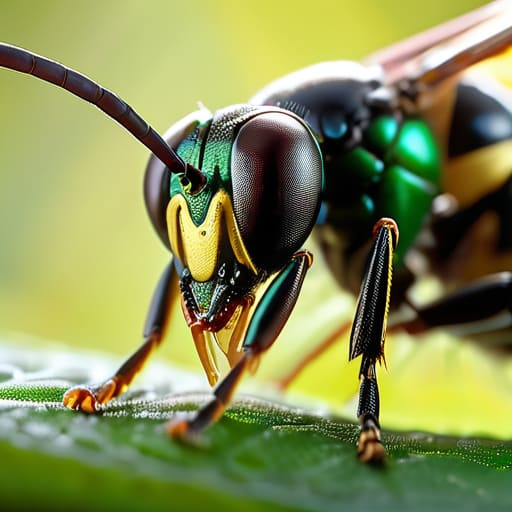
When you see a macro shot of a wasp with a needle-like appendage, the internet loves to call it a “stinger” or a “weapon.” In reality, that structure is an ovipositor, and the ovipositor mechanism explained simply is that it is a highly specialized egg-laying tool, not a combat blade. For many species, this isn’t about aggression; it’s about precision. They aren’t looking for a fight; they are looking for a specific host, often hidden deep inside plant tissue or a caterpillar’s body, where the conditions for the next generation are just right.
The actual host-parasitoid interactions are far more mechanical than cinematic. Depending on the species, the wasp might use vibrations to locate a host or chemical cues to find a specific larva. Once the target is identified, the ovipositor acts as a surgical probe to deposit an egg. It is a delicate, high-stakes moment of biological engineering. While headlines might frame this as “nature’s horror movie,” for the wasp, it is a calculated, essential step in the parasitoid life cycle stages that keeps local insect populations from spiraling out of control.
The Nuanced Reality of Host Parasitoid Interactions
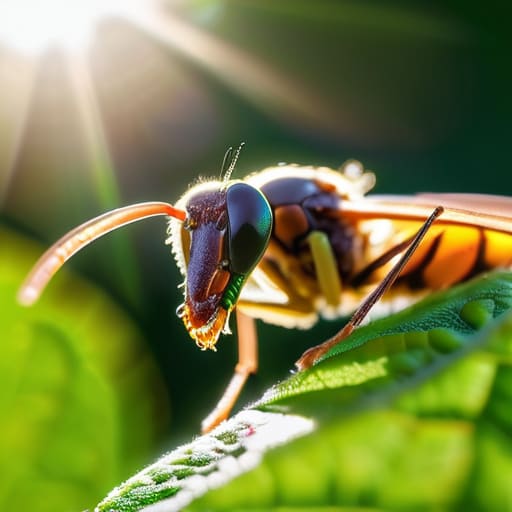
When we talk about host-parasitoid interactions, the media tends to lean into a “predator vs. prey” narrative that feels very much like a nature documentary script. But if you’re out in a hedgerow with a sweep net, you realize it’s less about a dramatic chase and more about a high-stakes, incredibly subtle chemical chess match. It isn’t always a sudden strike; often, it’s a slow, invisible takeover. The wasp isn’t just killing a pest; it is hijacking a biological system.
The reality of parasitoid life cycle stages is that they are deeply dependent on the specific timing of their host. If a wasp lays an egg too early, or if the host’s immune response is more robust than expected, the whole process fails. This is where the data gets messy. We see huge fluctuations in population density that aren’t just “nature being random,” but are actually the result of these intricate, fine-tuned synchronizations. Understanding this complexity is the only way we can actually move toward effective natural pest management that doesn’t rely on the blunt instrument of chemical pesticides.
Beyond the Horror Stories: 5 Realities of Wasp-Host Dynamics
- Braconidae and Ichneumonidae aren’t mindless killing machines; they are highly specialized biological sensors. They aren’t just “attacking” a host; they are navigating a complex chemical landscape to find a very specific individual that meets their nutritional requirements.
- Avoid the “Silver Bullet” trap in your garden planning. While parasitoids are vital for natural pest control, they are part of a delicate feedback loop. If you use broad-spectrum insecticides to kill a few aphids, you’re likely wiping out the very wasps that would have managed the population for you for free.
- Success is rarely a 1:1 ratio. When you read about “parasitism rates” in a study, remember that these numbers fluctuate wildly based on temperature, host density, and even the time of day. A high parasitism rate in a controlled lab setting rarely translates to the same efficiency in a messy, wind-swept hedgerow.
- Host searching is an energy-intensive gamble. A female wasp spends a massive amount of her finite energy budget just locating a host. This is why “host density” matters so much in ecology—if the hosts are too sparse, the wasp population can’t sustain itself, regardless of how “effective” they are at parasitizing.
- Look for the “multi-trophic” effect. It’s not just about the wasp and the pest; it’s about the plant too. Many plants actually release specific volatile organic compounds (VOCs) when they are being eaten, essentially “calling” the wasps to the scene. It’s a chemical SOS, and it’s much more coordinated than the “war in the garden” headlines suggest.
What to actually take away from the wasp data
Stop viewing parasitoid wasps as simple “pest killers”; they are highly specialized biological actors whose success depends on a complex web of environmental factors, not just a single encounter between wasp and host.
The “horror” of the ovipositor is a biological necessity, not a design for chaos; understanding the precision of this mechanism helps us appreciate the incredible evolutionary niche these insects occupy.
Effective conservation isn’t about managing individual species in a vacuum, but about protecting the messy, unmanicured habitats—like hedgerows and field margins—where these delicate host-parasitoid cycles actually have the space to function.
Moving Beyond the Microscopic
When we strip away the sensationalist imagery of “mind-control” or “biological warfare,” we’re left with a highly sophisticated, albeit messy, ecological balancing act. We’ve looked at how the ovipositor functions not as a weapon, but as a precision tool, and how the relationship between host and parasitoid is rarely the clean, predictable line you see in a textbook. The data shows us that these interactions are governed by a complex web of environmental variables—temperature, host density, and even the specific floral resources available in a nearby hedgerow. It isn’t a simple “on/off” switch for pest control; it is a dynamic, fragile equilibrium that requires specific conditions to actually function.
Ultimately, understanding these wasps shouldn’t just be an academic exercise for people like me sitting in damp fields. If we want these tiny, essential regulators to actually do their jobs, we have to stop looking for “silver bullet” solutions and start looking at the landscape. This means protecting the margins, the weeds, and the messy bits of nature that provide the nectar these adults need to survive. When we move from fear-based headlines to evidence-based conservation, we stop treating insects like monsters and start treating them like the vital, complicated components of our ecosystem that they truly are.
