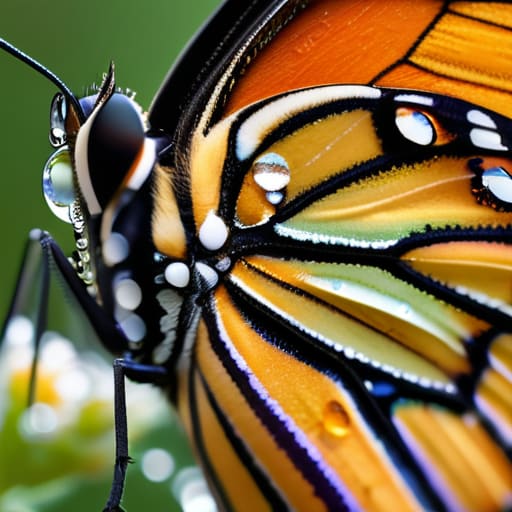
I spent three years of my life counting things in the rain, and if there is one thing I’ve learned, it’s that most “complete guide to butterflies” resources are either written by people who have never touched a net or by people trying to sell you a very expensive, very unnecessary butterfly garden kit. You don’t need a curated, boutique collection of exotic nectar plants to make a difference; you need to understand the messy reality of how these insects actually move through a landscape. Most guides skip over the unglamorous bits—the specific host plants that look like weeds to your neighbor but are absolute lifelines to a larvae—in favor of pretty pictures and vague encouragement.
I’m not here to give you a glossy brochure. Instead, I’m going to give you the version of a complete guide to butterflies that actually respects the science and your time. We are going to look at what the surveys actually tell us about habitat connectivity, why certain “butterfly-friendly” trends are actually counterproductive, and how you can turn a standard garden margin into a functioning corridor. No alarmism, no fluff—just the evidence-led steps you need to move the needle.
Table of Contents
Decoding the Butterfly Metamorphosis Process Without the Myths
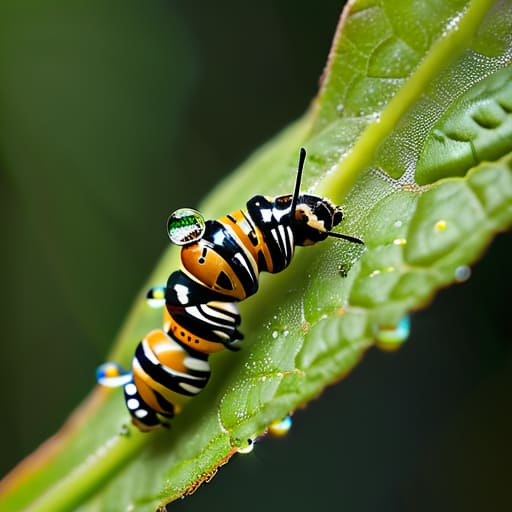
We tend to talk about the butterfly metamorphosis process as this seamless, magical transition, but if you’ve ever spent an afternoon staring at a chrysalis, you know it’s actually a period of intense, messy biological restructuring. It isn’t just a caterpillar “growing wings”; it is a complete cellular overhaul. Most people skip over the larval stage, treating it as a mere eating phase, but for many Lepidoptera species diversity to remain stable in a landscape, that stage is where the real work happens. The caterpillar is essentially a walking stomach, and if it doesn’t find the specific host plant it evolved to eat, the entire cycle breaks before it even begins.
There is also this persistent myth that the pupal stage is a period of “sleep.” It isn’t. Inside that casing, the organism is essentially dissolving itself to rebuild. This is why understanding the specific requirements of each of the butterfly life cycle stages is so vital for anyone trying to help. If you only provide nectar for the adults but your garden lacks the specific larval host plants, you aren’t actually supporting a population; you’re just hosting a temporary feeding stop.
What Lepidoptera Species Diversity Actually Means for Your Backyard
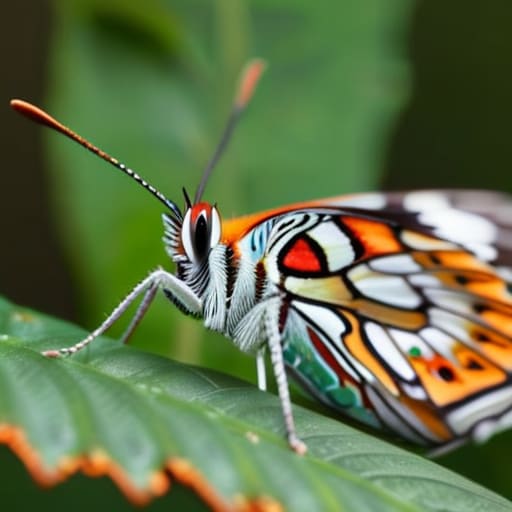
When people talk about “saving the butterflies,” they usually mean they want to see a flurry of bright wings around their lavender. But if you want to understand what lepidoptera species diversity actually looks like in a real-world context, you have to look past the visual spectacle. High diversity isn’t just about having ten different species of Painted Ladies visiting your feeder; it’s about the presence of specialists—those niche insects that rely on one specific host plant to survive. If your garden only offers nectar for adults but lacks the “messy” larval food plants, you haven’t built a habitat; you’ve built a temporary pit stop.
True diversity means supporting the entire butterfly life cycle stages, from the microscopic egg to the hungry caterpillar. This is where most well-meaning gardeners stumble. We tend to over-tidy, stripping away the very things that allow a population to persist. To move the needle on local biodiversity, you need to stop thinking about your backyard as a curated gallery and start treating it as a functional ecosystem. This means planting a mix of pollinator garden plants that provide staggered bloom times and, crucially, leaving some of the “weeds” that serve as essential nurseries.
Beyond the Aesthetic: Five Ways to Actually Support Butterfly Life Cycles
- Prioritise larval host plants over nectar-only gardens. It is a common mistake to plant beautiful, nectar-rich lavender and assume you’ve helped butterflies; while adults love the sugar hit, they can’t lay eggs on it. You need to identify the specific host plants—like Urtica dioica (Common Nettle) for various Nymphalidae—because without the specific chemistry those caterpillars require, your garden is just a temporary pit stop, not a home.
- Stop the “neat garden” reflex. I know, the manicured lawn looks better on Instagram, but a perfectly mown verge is a biological desert. If you want to see diversity, you have to let the margins go a bit shaggy. Those “weeds” are often the exact structural complexity required for pupae to attach themselves safely during metamorphosis.
- Accept that “butterfly-friendly” is a spectrum, not a binary. One study might show a specific milkweed species helps a certain population, but that doesn’t mean every plant is a silver bullet. Focus on a staggered bloom calendar; if your garden provides a glut of nectar in June but nothing in late August, you’re creating a seasonal trap rather than a stable resource.
- Reduce your reliance on broad-spectrum insecticides. This isn’t just about the butterflies you see; it’s about the entire micro-ecosystem. Even “organic” sprays can have unintended consequences for the delicate larval stages we are trying to protect. If you can’t manage a pest without a spray, you’re likely managing the wrong ecosystem.
- Plant for the local, not the exotic. It is tempting to order a “pollinator mix” online, but many of those seeds are non-native species that may not synchronize with our local butterfly emergence patterns. Stick to what is indigenous to your specific hedgerow or field margin type; the local species have evolved alongside these plants for millennia, and that’s where the real resilience lies.
What to actually look for in your own garden
Stop aiming for “butterfly quantity” and start looking at host plant availability; if you don’t have the specific larval food plants—like Urtica dioica for Peacock butterflies—you aren’t actually supporting a population, you’re just hosting a temporary pit stop.
Understand that a single sighting isn’t a trend, as butterfly presence is incredibly sensitive to micro-climates and specific nectar windows, meaning your garden might be a haven one week and a desert the next.
Prioritise structural diversity over aesthetics by leaving some “messy” margins, because the caterpillars need the shelter of low-lying vegetation just as much as the adults need the flowers.
Moving Beyond the Headlines
We have moved past the idea that butterflies are just pretty, ephemeral decorations for a summer garden. By understanding the actual mechanics of metamorphosis and recognizing that Lepidoptera diversity is a functional indicator of habitat health, we can stop treating them as isolated curiosities. It isn’t enough to just plant a single “butterfly bush” and call it a day; we have to account for the larval host plants and the specific nectar timelines that allow these life cycles to actually complete. Real conservation isn’t about chasing a single, dramatic headline—it is about the unseen work of maintaining continuous, high-quality habitat corridors that support them from egg to adult.
If you feel overwhelmed by the sheer scale of insect decline, remember that you don’t need to solve the global crisis in your own backyard to make a measurable difference. You just need to provide the specific, messy, unmanicured spaces that nature actually requires. When you choose to leave a patch of weeds or plant a native milkweed, you aren’t just gardening; you are actively participating in a biological recovery. It might feel small, and it might not make the evening news, but the data shows that incremental, local changes are exactly how we keep these species from slipping away.
