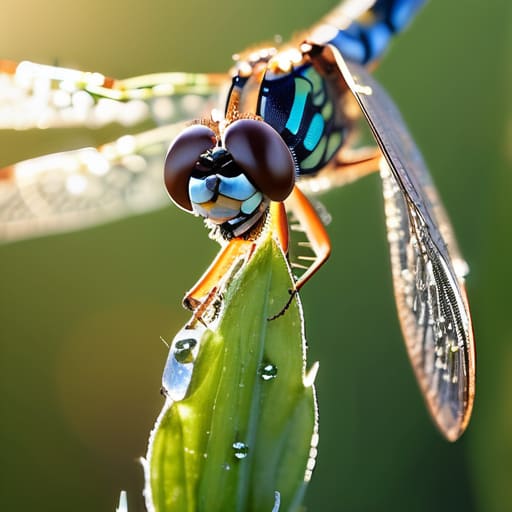
I spent three summers in the English countryside, standing in waist-deep nettles and getting absolutely soaked to the bone, just to count a handful of Bombus terrestris—the common buff-tailed bumblebee. It wasn’t the romantic, sweeping nature documentary experience people imagine; it was cold, muddy, and incredibly tedious. That’s when I realized that most “complete guides to insect decline” you find online are either written by people who have never actually held a sweep net, or by journalists who mistake a single, scary study for a universal law of nature. If you’re tired of the constant cycle of doom-scrolling and vague, terrifying headlines that offer no real clarity, you aren’t alone.
I’m not here to give you more sensationalism or to pretend we have every single answer mapped out. Instead, I want to walk you through what the actual survey data shows, why counting these tiny creatures is so much harder than it looks, and which specific, small-scale changes to your own patch of earth actually move the needle. This isn’t about grand, expensive gestures; it’s about understanding the messy, evidence-led reality of what’s happening in our hedgerows and gardens.
Table of Contents
The Real Data Behind Pollinator Population Trends
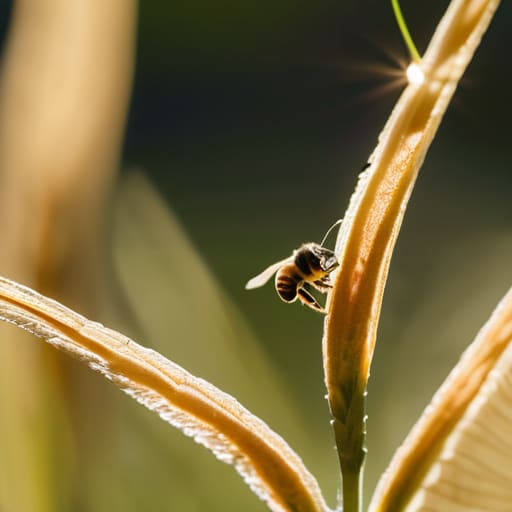
When you look at the literature, the first thing you notice is how much we rely on “proxy” data. We rarely have a census of every single beetle or bee; instead, we look at specific indicator species to estimate broader pollinator population trends. The problem is that a decline in a single species of bumblebee doesn’t always mean the entire ecosystem is collapsing, but it is a massive red flag. I’ve spent weeks on transects where the numbers look stable on paper, only to realize the composition of the community has shifted entirely toward a few generalist species, leaving the specialists—the ones that actually keep specific plants alive—in the dust.
This nuance is where the headlines usually fail us. It’s easy to blame a single factor, but the data suggests we are dealing with a “death by a thousand cuts” scenario. We see the pesticide effects on ecosystems in certain localized studies, but when you layer that over habitat fragmentation, the math gets much messier. It isn’t just that insects are dying; it’s that the patches of habitat they have left are becoming too isolated to sustain a healthy, moving population.
Why Habitat Destruction Consequences Often Get Overstated
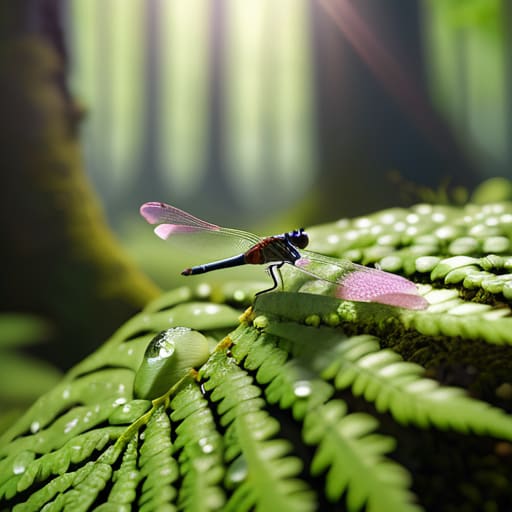
When we talk about habitat destruction consequences, the conversation usually follows a very predictable script: we lose a patch of woodland, and therefore a species goes extinct. It’s a linear way of thinking that makes for a great headline, but it’s rarely how the ecology actually functions on the ground. In my experience conducting transects, I’ve seen that many species are much more resilient to fragmentation than the doom-and-gloom articles suggest, provided there is some level of connectivity. It isn’t just about the total acreage of green space; it’s about the quality and the “corridors” between them.
The problem is that we often conflate “habitat loss” with “habitat degradation.” You can have a massive field that looks lush, but if it’s a monoculture of non-flowering crops, it’s essentially a green desert for a specialist bee. This nuance is where most people get tripped up. We focus so much on the sheer disappearance of land that we overlook how insect conservation strategies need to pivot toward fixing the quality of what remains. If we only focus on the size of the footprint, we miss the fact that a tiny, well-managed hedgerow can often do more heavy lifting than a massive, sterile parkland.
Small-Scale Moves: What Actually Shifts the Needle
- Focus on structural complexity, not just “green space.” A manicured lawn is basically a biological desert; what you actually want are messy, layered margins. Think brambles, tall grasses, and varying heights. It’s the physical architecture of a garden—the nooks and crannies—that provides the microclimates different species need to survive a heatwave or a cold snap.
- Prioritize native host plants over “pretty” exotic ones. I see so many people planting beautiful, nectar-rich flowers that are actually useless to local specialists. If you want to support a specific moth, you need to plant the specific plant its larvae eat. It’s not about generalist nectar; it’s about providing the nursery, not just the snack bar.
- Leave the “decay” alone. We have a cultural obsession with tidiness that is actively working against biodiversity. Dead wood, hollow stems, and leaf litter aren’t “messy”—they are essential overwintering sites. If you tidy up every fallen leaf in autumn, you’re essentially evicting the next generation of insects before they’ve even had a chance to emerge.
- Connect your patches, even if they are tiny. A single garden is an island, but a series of gardens with similar floral resources acts like a stepping stone. We call this habitat connectivity. You don’t need a massive estate; you just need to make sure your patch isn’t an insurmountable obstacle for a small beetle or a solitary bee trying to move through the landscape.
- Manage your light pollution. This is one of those areas where the evidence is getting much stronger: artificial light at night (ALAN) is a massive disruptor for nocturnal pollinators. If you can, switch to warm-toned LEDs and shield your outdoor lights so they point down, not up. You’re not just saving electricity; you’re stopping the “vacuum cleaner effect” that pulls moths away from their feeding grounds and into a death spiral around your porch light.
What to actually take away from the data
Stop looking for a single “smoking gun.” While headlines love to blame one specific pesticide or one single weather event, the data shows it’s usually a cumulative pressure—habitat fragmentation, light pollution, and climate shifts all working at once to make life harder for local populations.
Measuring decline is much messier than a simple downward line on a graph. We have to account for “sampling bias”—the fact that we often only find the insects that are easiest to catch or see—so a sudden spike in a survey might actually just mean we’re looking in a better spot, not that the population has recovered.
Focus on “connectivity” rather than just “size.” A massive, isolated park is often less useful for a specialist insect than a series of small, well-managed hedgerows or garden margins that allow them to actually move through the landscape without getting trapped in a biological desert.
Moving Beyond the Headlines
We have to move past the binary of “everything is fine” versus “the world is ending.” As we have seen, the data doesn’t support a single, monolithic collapse, but rather a complex, patchy mosaic of decline and resilience. It isn’t just about massive habitat loss; it is about the subtle fragmentation of the spaces in between—the hedgerows, the roadside verges, and the messy corners of our gardens. When we stop reacting to every sensationalist headline and start looking at what the surveys actually measure, we see that the real battle is won or lost in the quality of the small spaces we leave untended.
If you want to help, don’t wait for a massive policy shift to save every species at once. Start by making your own patch a little less perfect. Leave the dead wood, plant the native nectar sources, and let the weeds grow. It might feel insignificant when you are looking at a single patch of clover, but incremental, evidence-based changes are what actually build a functional landscape. We don’t need more panic; we need more people willing to do the quiet, methodical work of making room for the small things.
