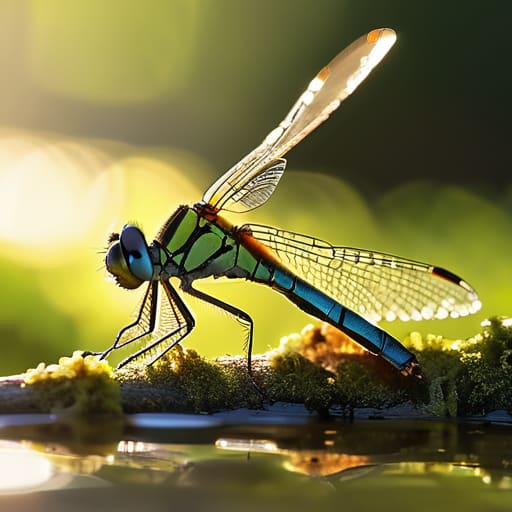
I was waist-deep in a marshy ditch outside of Ely last August, shivering in a waterproof jacket that had long since lost its battle with the humidity, when I saw a visitor hovering near my knee. To a casual observer, it was just “a bug by the pond,” but as I reached for my macro lens, I realized the person behind me had already shouted, “Look at that dragonfly!” I didn’t have the heart to tell them they were actually looking at a damselfly, because when you’re trying to enjoy nature, the technicalities feel like a barrier. But the truth is, understanding how dragonflies and damselflies differ isn’t about being a pedant; it’s about actually seeing the specific, incredible niches these insects occupy in our ecosystems.
I’m not here to give you a dry, taxonomic lecture that reads like a dusty textbook. Instead, I want to show you what I see when I’m actually out in the field, away from the sensationalist headlines. I promise to break down the functional realities of these two groups—from their flight patterns to how they use their bodies—so you can identify them with confidence. We’ll skip the fluff and focus on the observable evidence that matters for your own garden or local patch.
Table of Contents
Decoding Wing Posture Differences and Resting Habits
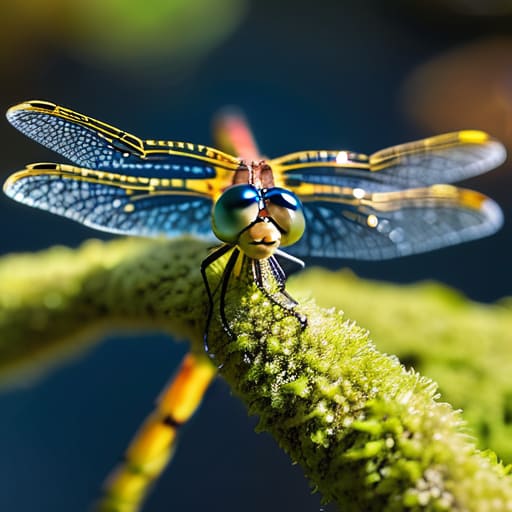
If you’re out in the field and see a flash of color near a pond, your first instinct is probably to squint and guess. But if you want to stop guessing, stop looking at the color and start looking at the wings. This is one of the most reliable wing posture differences you can use for quick field ID. When a dragonfly lands, it’s a bit of a power move; they tend to hold their wings out horizontally, perpendicular to their bodies, like they’re claiming the airspace. Damselflies, however, are much more modest. They typically fold their wings back along the length of their abdomen when at rest.
It’s not just a stylistic choice, though; it’s part of their broader predatory insect behavior. Dragonflies are the heavy hitters of the Odonata order, built for high-speed interception, and that wide-winged stance keeps them ready for immediate takeoff. Damselflies are more delicate, often perching in the shadows of reeds. If you see something hovering with a sense of heavy-duty purpose, it’s likely a dragonfly. If it looks like it’s trying to blend into the vegetation, you’re almost certainly looking at a damselfly.
Why Eye Structure Comparison Matters for Identification
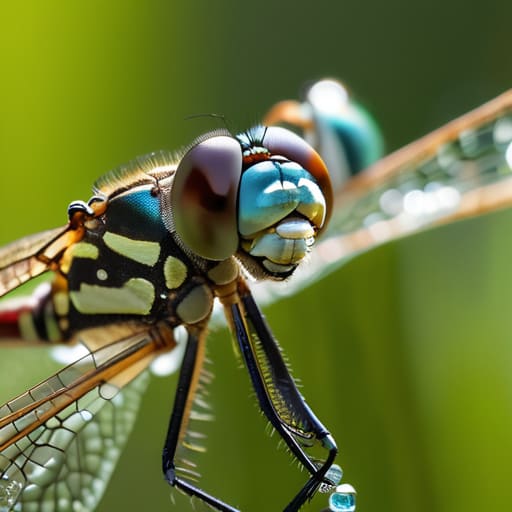
If you’re standing by a pond trying to figure out what’s hovering in front of you, you’ll eventually realize that looking at the wings isn’t enough. You have to look at the head. This is where a proper eye structure comparison becomes the real deciding factor. In the Odonata order, eyes aren’t just for seeing; they are highly specialized tools of predation.
Dragonflies possess massive, compound eyes that often meet at the top of the head, creating a nearly continuous wrap-around view. This gives them that “panoramic” capability necessary for high-speed aerial interception. Damselflies, on the other hand, have eyes that are separated by a distinct gap, sitting on the sides of the head like two little spheres.
While it might feel like splitting hairs when a specimen is darting through the reeds, this anatomical distinction is a direct reflection of their predatory insect behavior. Dragonflies are the fighter jets—built for pursuit and high-velocity strikes—whereas damselflies are more like the stealthy reconnaissance drones, relying on precision and concealment. Understanding this helps you move past the guesswork and actually start seeing the specific ecological roles they play in your local habitat.
Beyond the Textbook: Five Fieldwork Realities for Telling Them Apart
- Forget the “big vs. small” rule. While many Anisoptera (dragonflies) are more robust than Zygoptera (damselflies), size is a deceptive metric in the field. I’ve seen massive damselflies and tiny, stunted dragonflies; instead, look at the way they hold their wings at rest. If the wings are tucked tight against the abdomen, you’re looking at a damselfly. If they are spread wide like a little aircraft, it’s a dragonfly.
- Watch the flight path, not just the insect. Dragonflies are the heavy interceptors of the insect world; they fly with a direct, powerful, and often aggressive trajectory. Damselflies tend to be much more fluttery and delicate, almost like a wayward butterfly when they move between patches of vegetation. It’s a distinction that becomes much clearer when you’re trying to spot them through a rain-streaked lens.
- Check the “neck” thickness. This sounds pedantic, but it’s a reliable visual cue when you’re actually looking at a specimen. Dragonflies have much thicker, more muscular prothoraces to support their high-speed hunting, whereas damselflies have that characteristic, slender, almost fragile-looking neck.
- Don’t rely on color alone. One of the biggest mistakes I see in amateur surveys is assuming a blue insect is a damselfly and a red one is a dragonfly. Color is highly species-specific and can change with age or even light conditions. A bright red dragonfly is just as likely as a red damselfly, so always pivot back to the wing posture and body shape.
- Observe the perch height. If you’re surveying a meadow, dragonflies often claim the high ground—the very tips of reeds or the highest stalks of grass—to scan for prey. Damselflies are much more likely to be hunkered down in the lower, more sheltered vegetation. If you’re looking for one or the other, knowing where to point your eyes saves a lot of wasted time.
The Quick-Reference Cheat Sheet
If they’re holding their wings out wide like a tiny airplane, you’re looking at a dragonfly; if they’re tucked neatly against their bodies, it’s almost certainly a damselfly.
Look at the eyes first—dragonflies have those massive, bulging “wraparound” eyes that cover most of the head, whereas damselflies have much smaller, distinct eyes that sit more like a pair of goggles on the sides.
Don’t let the size fool you; while many damselflies are slimmer and more delicate, the real distinction lies in their flight style and how they choose to perch when they aren’t hunting.
Beyond the Quick Glance
When you strip away the superficial “big vs. small” distinction, the real differences lie in the mechanics of their survival. We’ve looked at how the Odonata order splits itself into two very different tactical approaches: the heavy-hitting, wide-eyed, perching dragonflies and the more delicate, slender-bodied damselflies that prefer to hold their wings together. It isn’t just about aesthetics; these morphological traits—from the way they process visual data to how they navigate a breeze—dictate exactly which niches they occupy in a pond ecosystem. Understanding these nuances means you aren’t just seeing a “flying bug,” you are seeing a highly specialized predator performing a very specific job in your local habitat.
I know it feels like a lot of detail for something that spends most of its life darting around a garden pond, but that precision is where the conservation actually happens. We can’t protect what we don’t accurately name or understand. If we want to move past the doom-scrolling headlines and actually support biodiversity, we have to start by paying attention to the specifics. Next time you see one of these insects, don’t just check it off a mental list. Look at the wings, look at the eyes, and realize you are witnessing a tiny, complex success story. The data starts with your observation.
