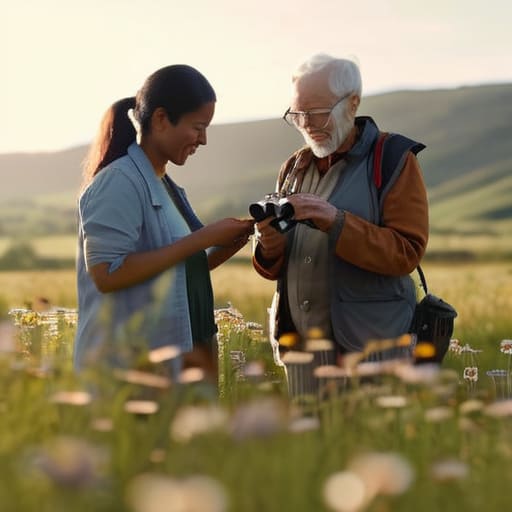
I once spent four hours crouched in a damp hedgerow, squinting through a hand lens at a patch of clover, only to realize I’d been recording the same Bombus terrestris three times because it kept flying back into my line of sight. It was frustrating, muddy, and completely unglamorous, but it was also real. Most people think a complete guide to citizen science involves high-tech sensors or expensive lab equipment, but the truth is much more unpredictable and messy than a polished infographic suggests. We don’t need more people clicking “like” on nature photos; we need people who are willing to sit in the rain and actually look at what is happening in their own backyards.
I’m not here to sell you on the idea that you can single-handedly save the planet by downloading an app. Instead, I want to give you a complete guide to citizen science that actually respects the data. I’ll show you how to distinguish between a hobby and a meaningful contribution, how to navigate the limitations of what we actually know, and how to ensure your observations are useful to researchers like me. No hype, no scientific jargon that requires a PhD to decode—just the honest reality of how to make your data count.
Table of Contents
Why Scientific Crowdsourcing Benefits Matter More Than the Hype
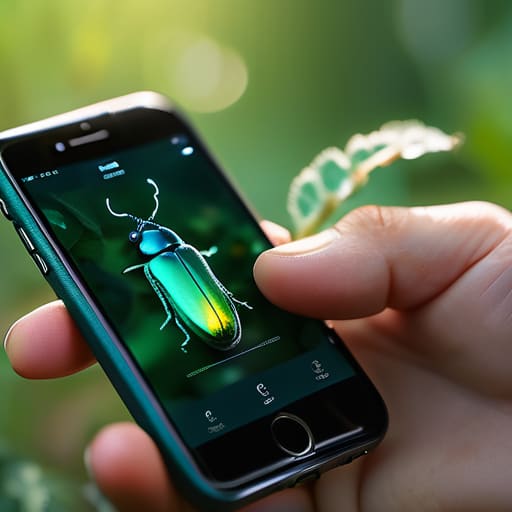
When you see a headline claiming “insects are disappearing at an unprecedented rate,” it feels like the world is ending. But as someone who spends my Tuesdays squinting at macro lenses in damp hedgerows, I can tell you that the “why” is rarely found in a single, sweeping study. It’s found in the gaps. This is where the real value of scientific crowdsourcing benefits lies. We don’t just need more numbers; we need a granular, hyper-local map of where species are actually holding on and where they are failing. A single PhD student can’t be in ten thousand gardens at once, but a thousand people with a smartphone and a bit of guidance can.
However, we have to move past the idea that this is just “counting bugs for fun.” For this to actually work, we have to prioritize data collection accuracy over sheer volume. If we want our findings to hold up against skeptics or policymakers, we can’t just accept every blurry photo of a moth as gospel. That’s why robust volunteer researcher training is the invisible backbone of any serious project. It’s the difference between a pile of noisy, useless data and a dataset that can actually drive conservation policy.
Moving Beyond the Snapshot Mastering Data Collection Accuracy
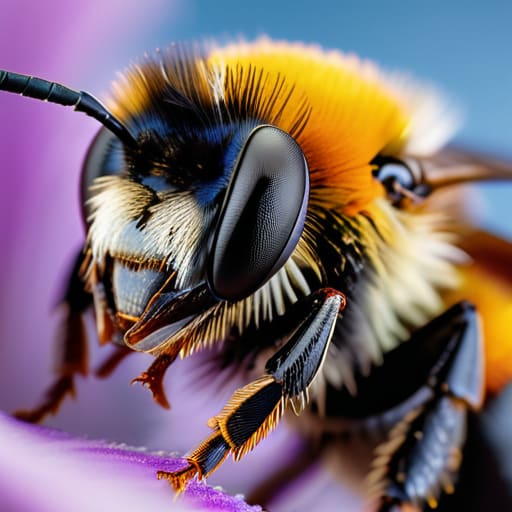
The problem with most participatory science projects is that they treat data like a collection of selfies: everyone takes one, but very few are actually useful for anything serious. When I’m out on a transect, I’m not just looking for “a bee”; I’m looking for specific morphological markers to distinguish a Bombus terrestris from a Bombus lucorum. If a volunteer records a generic “bumblebee” because they didn’t check the wing venation or the hair patterns, that data point becomes noise. To move from mere observation to actual science, we have to prioritize data collection accuracy over sheer volume.
This is where the “science” part of citizen science usually gets messy. It isn’t enough to just hand someone a smartphone and an app; effective community-based research methods require a level of rigorous, repetitive training. We need to teach people how to account for variables like weather, time of day, and even the specific way they hold a magnifying loupe. If we want our findings to hold up under the scrutiny of a peer-reviewed journal, we have to embrace the slow, sometimes tedious work of learning how to see properly.
How to actually be useful (and not just add noise to the database)
- Pick a protocol and stick to it. If the survey asks you to walk a specific transect at 10:00 AM, don’t decide to wander through the brambles at noon because the light looks better for photos. Data consistency is more valuable to a researcher than a thousand pretty, but unverified, snapshots.
- Learn to embrace the “I don’t know.” In the field, it is tempting to guess a species name to feel helpful, but a “not identified” entry is infinitely more useful to a scientist than a wrong one. If you aren’t sure if it’s a Bombus terrestris or something else, record the features and move on.
- Document the “boring” stuff. The temperature, the cloud cover, and whether the ground was soaked from a night of rain—these are the variables that turn a list of sightings into a usable dataset. A sighting of a rare moth is great, but a sighting of a rare moth during a specific humidity window is actual science.
- Use your eyes, not just your apps. While iNaturalist is a brilliant tool, don’t let the interface do all the thinking for you. Take a second to look at the habitat. Is the insect on a specific host plant? Is it a nectar source? The context of the find is often as important as the organism itself.
- Quality over sheer volume. You don’t need to log five hundred sightings a week to make a difference. One month of meticulous, accurate, and repeatable observations in your local hedgerow is worth more to my PhD than a mountain of erratic, low-effort data points that I have to spend weeks cleaning.
Three Things to Remember Before You Head Outdoors
Accuracy beats volume every single time; a thousand messy, incorrect sightings won’t help a conservationist more than fifty well-documented, precise observations that actually follow the protocol.
Don’t mistake a single season of data for a trend; insect populations are notoriously fickle and influenced by everything from a weirdly wet June to a sudden heatwave, so long-term consistency is where the real science happens.
Accept the “I don’t know” as part of the process; if you can’t identify a specimen, record what you can see—its shape, its color, its habitat—rather than guessing a name, because a wrong ID is worse than a blank entry.
Beyond the Data Points
At the end of the day, effective citizen science isn’t about generating a massive pile of unverified observations that researchers eventually have to scrub clean. It’s about the discipline of the process: understanding that a well-documented Bombus terrestris sighting on a specific transect is worth infinitely more than a thousand blurry, unlocatable photos of “a bee.” We have to bridge the gap between the excitement of seeing something rare and the rigorous reality of recording it accurately. When we prioritize data quality over sheer volume, we move from being mere spectators of decline to being active contributors to a longitudinal map of our changing world.
I know it can feel small. It feels insignificant to stand in a damp field at dusk or to spend your Saturday afternoon squinting at a moth trap when the news is telling you everything is collapsing. But those tiny, incremental data points are the only way we build a case that scientists—and more importantly, policymakers—can actually use. We aren’t just counting bugs; we are building the evidence base required to protect them. So, don’t just look for the spectacular. Look for the mundane, record it carefully, and stay consistent. That is how we turn a quiet crisis into a measurable movement.
