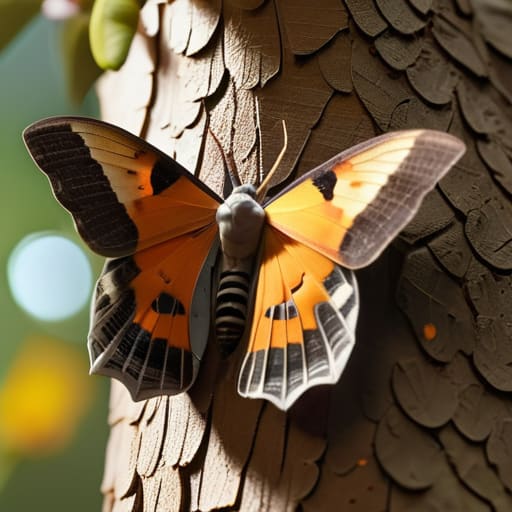
I was standing in my parents’ garden at 2:00 AM last Tuesday, shivering in a damp fleece and staring at a white sheet illuminated by a UV lamp, when it hit me how much we get this wrong. Most people think of butterflies as the undisputed stars of the insect world, but when you actually look at the numbers, the reality of how moth diversity compares to butterflies is almost comical. We treat butterflies like the high-profile celebrities of the meadow, while moths are relegated to the “dusty, nocturnal background noise.” In reality, the sheer scale of moth variety makes butterfly populations look like a tiny, colorful subset of a much larger, much more complex story.
I’m not here to give you another breathless headline about “insectageddon” or a simplified list of pretty wings to spot in your garden. Instead, I want to walk you through what the actual survey data tells us about these two groups and why our cultural bias toward daylight flyers is distorting our understanding of biodiversity. We’ll look at the numbers without the fluff, I’ll tell you where the evidence is actually solid, and we’ll discuss why protecting the “unphotogenic” species is the only way to actually move the needle on conservation.
Table of Contents
Why Lepidoptera Species Richness Is Often Misread
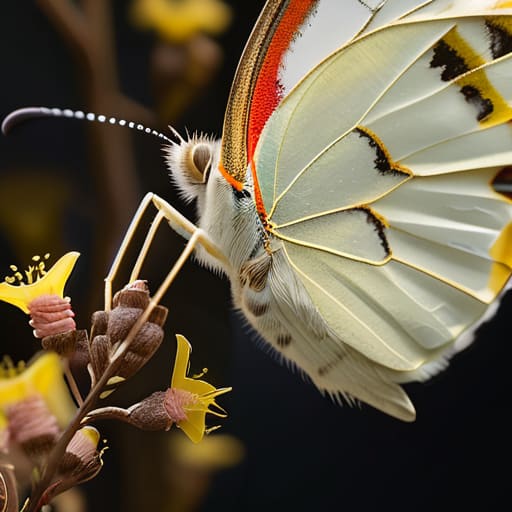
The problem with how we measure Lepidoptera species richness is that our tools are inherently biased toward the sun. If you walk a transect at noon, you’re going to see plenty of Pieris brassicae—the Large White—fluttering around, but you are effectively blind to the massive amount of biological activity happening under the cover of darkness. We tend to equate visibility with abundance, which is a massive error in ecological accounting.
Most of our long-term data comes from citizen science projects that focus on diurnal species because, frankly, it’s easier to photograph a butterfly than a micro-moth at 2:00 AM. This creates a skewed perception of biodiversity; we see a few bright, charismatic species and assume they represent the health of the system. In reality, the nocturnal vs diurnal pollinators dynamic is much more complex, and by ignoring the night shift, we are systematically undercounting the true scale of insect biodiversity importance. We aren’t just missing species; we are missing the functional roles those species play in the ecosystem when we aren’t looking.
The Real Data Behind Butterfly Population Trends
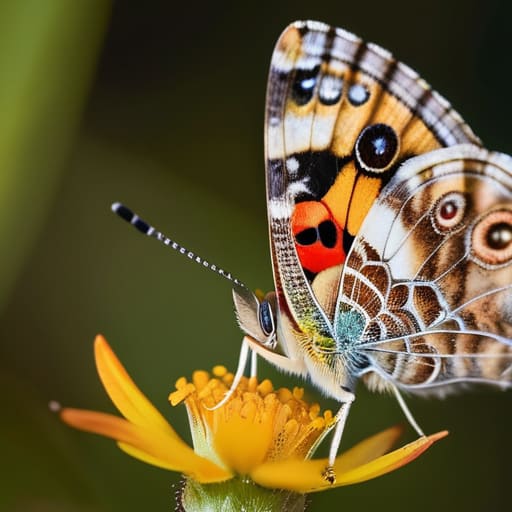
When we look at the graphs for butterfly population trends, it’s easy to see why the public panic settles there. The data is often cleaner, the declines are more visually striking in long-term monitoring schemes, and—let’s be honest—it’s much easier to track a Painted Lady moving across a meadow than a micro-moth navigating a dense hedgerow. Because butterflies are diurnal, they are visible, predictable, and easy to count. This creates a bit of a data bias; we have decades of robust longitudinal studies on these colorful flyers, which makes their struggles feel like the primary barometer for all insect biodiversity importance.
However, we have to be careful not to mistake visibility for totality. While the downward trajectory of many butterfly species is well-documented and deeply concerning, it doesn’t tell the whole story of the ecosystem. We are essentially looking at a high-definition snapshot of one specific niche, while the vast, complex world of nocturnal vs diurnal pollinators remains partially obscured in the shadows. We can’t use the butterfly’s decline as a perfect proxy for the entire order; we need to ensure our conservation metrics don’t accidentally ignore the silent players just because they don’t show up on a sunny afternoon survey.
How to actually look at your garden (without just chasing the Painted Lady)
- Stop equating “visibility” with “abundance.” You see a butterfly because it’s out in the sun during your lunch break; you don’t see the moth because it’s doing its thing at 2 AM. If your goal is biodiversity, you need to start looking at what happens after dark, not just what looks good in a midday photo.
- Prioritize “host plant” diversity over “nectar” diversity. We often focus on planting pretty, nectar-rich flowers for butterflies, but many moth species are specialists that need very specific, often “weedy” larval host plants. If you only plant lavender and buddleia, you’re essentially building a buffet that only a handful of species can actually eat.
- Embrace the “messy” margin. Butterflies often prefer open, sunny patches, but many of our most significant moth populations rely on the structural complexity of scrub and unmanaged edges. A perfectly manicured lawn is a desert; a patch of brambles and tall grass is a high-rise apartment complex for Lepidoptera.
- Understand the “sampling bias” in your own backyard. When people report insect numbers, they almost always report butterflies because they are easier to identify and more charismatic. To get a real sense of your local ecosystem, you have to engage with light trapping or even just checking the undersides of leaves—it’s more work, but the data is much more honest.
- Value the nocturnal specialists. We tend to focus on the high-profile, migratory butterflies, but the stability of our local insect populations often rests on the shoulders of the nocturnal moths that stay put and move nutrients through the ecosystem while we’re sleeping. They aren’t the “backup” to butterflies; they are the backbone.
The Bottom Line for Conservationists
We need to stop using butterfly numbers as a proxy for all insect health; a garden full of Painted Ladies tells a very different story about biodiversity than a garden that supports a diverse nocturnal moth community.
Conservation efforts shouldn’t just focus on “pretty” daytime pollinators; protecting the dark, messy, unmanicured margins of our fields is what actually sustains the moth species that do the heavy lifting for our ecosystems at night.
When you see a headline claiming an insect species is “crashing,” look for the methodology—there is a massive difference between a single local decline and a systemic population collapse, and we need to be precise about which one we are fighting.
Beyond the Pretty Wings
If we step back from the headlines, the picture becomes much clearer: we aren’t looking at a competition between butterflies and moths, but a massive, unevenly distributed spectrum of biodiversity. While butterflies often grab the spotlight because they are easier to spot on a sunny afternoon, the data tells us that the nocturnal side of the Lepidoptera order is doing a staggering amount of the ecological heavy lifting. We have to stop using butterfly numbers as a shorthand for “insect health” and start acknowledging that a garden full of colorful Pierids is only one small part of a much larger, more complex story. True biodiversity isn’t just about the species we can easily photograph; it’s about the sheer volume of the unseen.
So, what do we actually do with this? We stop waiting for a single “silver bullet” species to save the world and start looking at the margins—the messy, unmanicured edges of our lives where the real work happens. Whether it is leaving a patch of brambles to go to seed or swapping out a bright garden light for something more moth-friendly, these aren’t just small gestures; they are targeted interventions in a much larger struggle. We don’t need to be professional entomologists to help, we just need to be willing to look a little closer at the shadows. The goal isn’t to save the butterflies alone, but to protect the entire, messy, nocturnal system that keeps everything else running.
