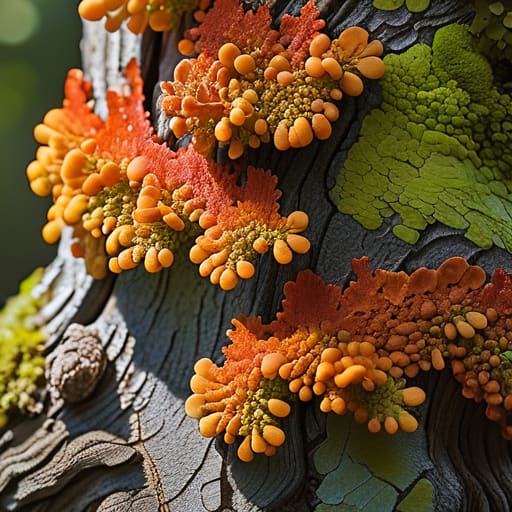
I spent three hours last Tuesday crouched under a damp oak tree in a suburban park, squinting through a hand lens at a patch of Parmelia saxatilis—or just common rock tripe, if you’re in a hurry. I wasn’t there because I’m a masochist, though some days it feels that way; I was there because I was tired of seeing people panic over expensive, high-tech air sensors that give you a number but zero context. Everyone wants a digital readout, but if you actually want to understand how lichens indicate air quality, you have to stop looking at screens and start looking at the bark. These organisms aren’t just “growing” on trees; they are living, breathing sensors that have been recording the chemistry of your neighborhood for years.
I’m not here to give you a sensationalist headline about an impending ecological collapse, nor am I going to bury you in peer-reviewed jargon that requires a PhD to parse. Instead, I want to show you what the surveys actually measure when we head out into the field. I’ll explain the specific patterns to look for, which species are the most reliable indicators, and where the science is still a bit thin. My goal is to give you a toolkit for reading the landscape, so you can see the real story the air is telling.
Table of Contents
Beyond the Buzz Lichens as Biological Indicators of Air Pollution
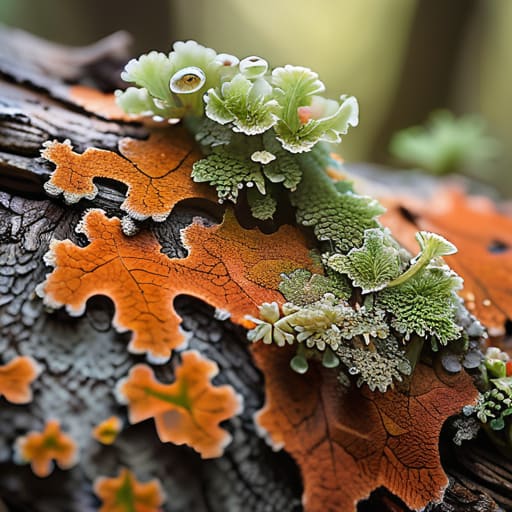
When we talk about biological indicators of air pollution, the conversation usually gets stuck on the idea that lichens are just “there.” In reality, they are incredibly sensitive, living sensors. Because they don’t have roots or a waxy cuticle to protect them, they absorb everything directly from the atmosphere. This makes them perfect for monitoring atmospheric particulate matter and lichen growth, but it also makes them incredibly vulnerable. If the air is heavy with pollutants, they don’t just struggle to grow; they often stop functioning entirely.
The real magic happens when you look at the specific morphology of what’s clinging to a trunk. You’ll see a clear hierarchy of survival: crustose vs foliose lichen sensitivity is the rule of thumb I use when I’m out in the field. The crustose types—those flat, paint-like patches that seem glued to the bark—are the tough survivors. They can handle a bit of grit. But if you see the leafy, ruffled foliose lichens, you know you’ve found a pocket of relatively clean air. They are the first to vanish when nitrogen dioxide levels spike, acting as a living, breathing map of the local environment.
Measuring the Real Impact of Atmospheric Particulate Matter and Lichen Grow
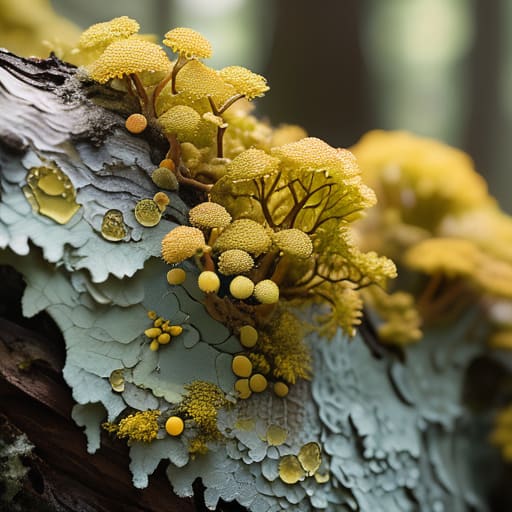
When we talk about atmospheric particulate matter and lichen growth, we aren’t just talking about dust settling on a leaf. We are talking about a slow-motion chemical takeover. Lichens lack a cuticle—that protective waxy layer plants use to keep the bad stuff out—so they absorb everything directly from the air. This makes them incredible biological indicators of air pollution, but it also makes them incredibly vulnerable. If you walk from a rural woodland into a city center, you’ll see the shift instantly in the morphology of what’s clinging to the bark.
The real nuance lies in the distinction between crustose vs foliose lichen sensitivity. Crustose lichens, those flat, paint-like patches that seem fused to the stone, are the tough survivors. They can handle a fair amount of grit. But the foliose varieties—the leafy, lobed ones that flutter slightly in the wind—are much more sensitive to things like nitrogen dioxide impact on lichens. When the air quality dips, these “leafy” species are often the first to vanish from the record, leaving behind a landscape that looks biologically empty, even if the trees themselves look perfectly healthy.
How to actually read your local lichen landscape
- Look for the Xanthoria parietina (Common Orange Lichen). If you see this bright, crusty orange stuff everywhere, it’s often a sign of high nitrogen levels—usually from agricultural runoff or vehicle emissions—rather than just “clean air.”
- Stop looking for just one species and start looking at the “community structure.” A single rare lichen might just be a fluke of a damp microclimate, but a diverse mix of different growth forms—fruticose, foliose, and crustose—is a much more reliable indicator of stable, low-pollution air.
- Check the “crustose” types first. These are the flat, paint-like lichens that hug the bark tightly. Because they have such a high surface-area-to-volume ratio, they absorb everything from the air, making them the most sensitive “canaries in the coal mine” for sulfur dioxide and heavy metals.
- Pay attention to the “fruticose” lichens, like the bushy Usnea species. These shrubby, hanging types are the most delicate; if your local trees are stripped of these complex, three-dimensional structures, your air quality is almost certainly struggling.
- Don’t ignore the substrate. A lichen thriving on a granite boulder tells a different story about air quality than one on a limestone wall, because the chemistry of the surface itself can mask or mimic the effects of atmospheric pollution.
What to actually look for in your own backyard
Forget the “all or nothing” headlines; look for the diversity of species on your trees. A garden with only one type of crusty, grey lichen isn’t necessarily “clean,” it’s just showing you what can survive the specific pollutants currently in your air.
Don’t mistake a single study for a universal rule. While we know nitrogen dioxide impacts growth, the way lichens respond can vary wildly depending on local humidity and tree bark chemistry, so treat your backyard observations as a snapshot, not a definitive census.
If you want to move the needle on local biodiversity, focus on reducing particulate matter. The less soot and dust we settle on those surfaces, the more chance the sensitive, leafy fruticose lichens have to actually colonise the space.
The View from the Bark
We can’t rely on a single sensor or a flashy headline to tell us if our local environment is actually breathing. As we’ve looked at, lichens aren’t just “growing on trees”; they are living, breathing chemical sensors that respond to every shift in atmospheric particulate matter. While a single patch of crustose lichen won’t give you a full map of regional nitrogen levels, the collective pattern of what is—and isn’t—clinging to your local canopy tells a much more honest story than most air quality apps. It’s about looking at the presence of fruticose species and recognizing that their absence is often a louder signal than any data point I could pull from a spreadsheet.
I know it feels small. When you’re staring at a patch of grey fuzz on an oak tree, it’s hard to feel like you’re part of a global conservation movement. But understanding these tiny, slow-moving indicators is how we bridge the gap between “the planet is dying” and “this specific street needs better airflow.” If we want to protect the bigger, more charismatic species, we have to start by paying attention to the ones that don’t make any noise at all. Next time you’re out for a walk, stop looking at your phone and start looking at the bark; the evidence is right there, waiting for you to notice it.
