I spent three years of my doctorate crawling through damp hedgerows, and if there is one thing I’ve learned, it’s that people tend to panic about the wrong things. You’ll see a headline claiming your backyard is a death trap because of a stray nettle or a pile of mulch, but that’s just sensationalism designed to sell you a specific type of chemical spray or a heavy-duty plastic cover. When people ask me how to reduce garden hazards, they usually mean they want to strip the life out of their soil until it’s as sterile and safe as a hospital corridor. But sterile isn’t safe; it’s just empty.
I’m not here to give you a checklist of expensive, unnecessary gadgets or tell you to pave over your biodiversity to avoid a trip hazard. Instead, I want to talk about evidence-based management. I’ll show you how to distinguish between a genuine risk—like a decaying limb or a poorly placed paving stone—and the “hazards” that are actually vital components of a functioning ecosystem. We are going to look at how to reduce garden hazards by working with your landscape rather than trying to sanitize it.
Table of Contents
Distinguishing Real Risks From Perceived Dangers
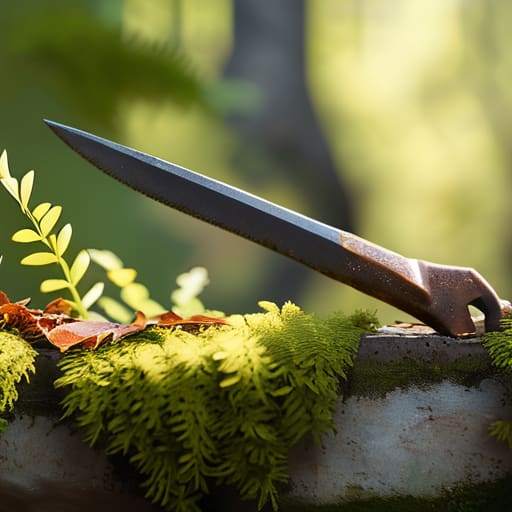
We tend to get the hierarchy of fear wrong in the garden. I see it all the time in my local community groups: people are absolutely terrified of a stray bumblebee or a non-venomous spider, yet they’ll leave a rusted, jagged bypass pruner sitting on the edge of a stone step for three days. We spend so much energy worrying about the “scary” bugs that we overlook the actual mechanics of injury. If you want to focus on preventing garden accidents, you have to stop treating every insect as a threat and start looking at the physical objects that actually cause harm.
The real danger isn’t a misunderstood beetle; it’s the lack of consistent garden equipment maintenance. A blunt shear requires more force, which means more slips; a loose handle on a spade is a recipe for a twisted wrist. When we talk about protecting children from garden risks, the conversation usually shifts toward “keeping them away from the bugs,” but it should be about the sharp edges and the heavy machinery. We need to move past the performative anxiety and focus on the tangible stuff that actually breaks skin or breaks bones.
Safe Gardening Practices That Actually Move the Needle
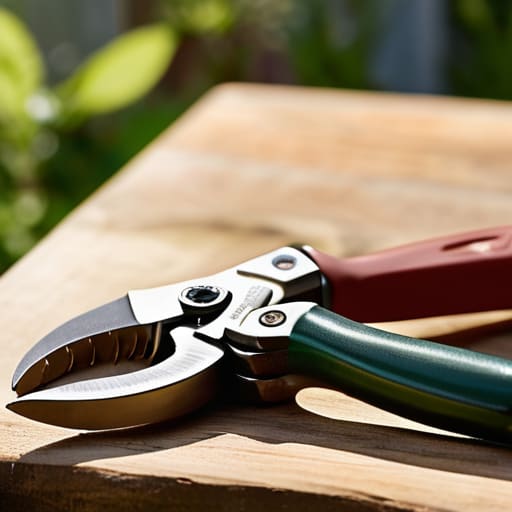
When we talk about safe gardening practices, we often default to the most obvious stuff, like not leaving a rake lying around. But if we want to actually move the needle on both safety and biodiversity, we need to look at the intersection of maintenance and habitat. For instance, regular garden equipment maintenance isn’t just about keeping your shears sharp; it’s about ensuring you aren’t creating jagged, dangerous edges that could snag or cause injury during a routine trim. A well-maintained tool is a predictable tool, and predictability is the foundation of safety.
I also think we need to be more nuanced about how we manage the “messy” parts of a garden. While preventing garden accidents often involves clearing paths, we shouldn’t be so obsessed with a sterile environment that we remove all the structural complexity. If you are protecting children from garden risks, the answer isn’t to pave over everything; it’s to create clear, defined boundaries between the “wild” zones and the play zones. It’s about managing the transition between a high-traffic area and a dense, insect-rich hedgerow so that the risk is understood and controlled, rather than just erased.
Five ways to manage your space without turning it into a sterile concrete slab
- Urtica dioica, or common nettles, are the first thing people want to rip out because they sting, but they are also a non-negotiable nursery for many butterfly larvae. Instead of total eradication, which creates a massive gap in the local food web, try “zonal management.” Fence off a small, messy corner or a patch of the boundary where they can thrive undisturbed, while keeping the main walking paths clear.
- Watch your heavy-duty tools, particularly those with sharp edges like bypass secateurs. It sounds basic, but I’ve seen more field injuries from a misplaced pair of loppers than from a bee sting. Store them in a dedicated, dry bin rather than leaving them scattered in the mulch; it’s not just about the sharpness, it’s about preventing the metal from degrading and becoming unpredictable.
- If you have a compost heap, don’t just let it become a mystery mound. An improperly managed heap can reach temperatures that are surprisingly high, or conversely, become a damp, stagnant mess that attracts unwanted pests. Turn it regularly to keep it aerobic; it’s better for the worms, better for the soil, and much easier to navigate safely.
- Be careful with “blanket” solutions like chemical slug pellets. While they feel like a quick fix for a garden hazard (the “hazard” being your prize hostas), they are actually a massive ecological risk. They don’t just target slugs; they can leach into the soil and impact the very invertebrates you’re trying to support. Use copper tape or beer traps instead—they’re more tedious, but they don’t poison the local food chain.
- Lighting is a massive one that people overlook. If you have garden paths, don’t just install high-intensity floodlights to “see better.” Not only is it a light pollution nightmare for the moths I spend my nights counting, but it also creates harsh shadows that can actually make you trip. Stick to low-level, warm-toned LED path lights that illuminate the ground without blinding you or the local nocturnal fauna.
The Bottom Line for Your Garden and Its Residents
Stop treating every “untidy” patch of ground as a hazard; the real risk isn’t a stray nettle, it’s the loss of the micro-habitats that keep your local biodiversity from collapsing.
Focus your energy on high-impact safety, like managing heavy equipment or sharp tools, rather than obsessing over the “danger” of letting a few wildflowers grow in a corner.
Move away from the “sterile garden” mindset—true conservation happens when you balance human safety with the messy, essential reality of a functioning ecosystem.
The Bottom Line
Ultimately, managing a garden isn’t about achieving a sterile, risk-free vacuum; it’s about making informed choices between what actually poses a threat and what is simply a messy bit of nature. We’ve looked at how distinguishing between a genuine hazard—like a broken trellis or a toxic plant—and a perceived one, like a patch of nettles, can save you unnecessary stress. By focusing on targeted interventions rather than blanket “tidying,” you ensure that your efforts actually move the needle on safety without accidentally stripping away the very biodiversity you’re trying to support. It’s about being deliberate rather than reactive.
I know it can feel overwhelming when you see the conflicting advice online, but remember that conservation and safety aren’t mutually exclusive. You don’t have to choose between a safe garden and a living one. If you approach your outdoor space with a bit of curiosity and a lot of practical observation, you’ll find that the most resilient habitats are often the ones that are thoughtfully managed rather than perfectly manicured. Start small, keep your eyes open, and don’t be afraid to let things be a little bit wild, provided you know exactly what you’re leaving behind.
