I once spent four hours in a downpour trying to distinguish between a common field cricket and a much more “threatening” species, only to realize my data was being skewed by a single, poorly placed garden lamp. It’s a perfect metaphor for how we approach backyard safety: we tend to obsess over the dramatic, headline-grabbing threats while completely ignoring the actual biological mechanics at play. Most people looking for a complete guide to garden hazards are searching for a way to eliminate every “scary” bug or plant, but that approach usually ends up destroying the very ecosystem you were trying to protect. We spend so much energy fearing the wrong things that we miss the real ecological shifts happening right under our noses.
I’m not here to sell you a chemical spray or a list of urban legends. Instead, I want to offer a practical, evidence-led look at what actually matters when you’re managing a patch of earth. This is a promise to look at the data, separate the genuine risks from the sensationalist nonsense, and help you understand which “hazards” are actually vital components of a healthy, functioning garden.
Table of Contents
Toxic Garden Plants Identification Beyond the Sensationalist Headlines
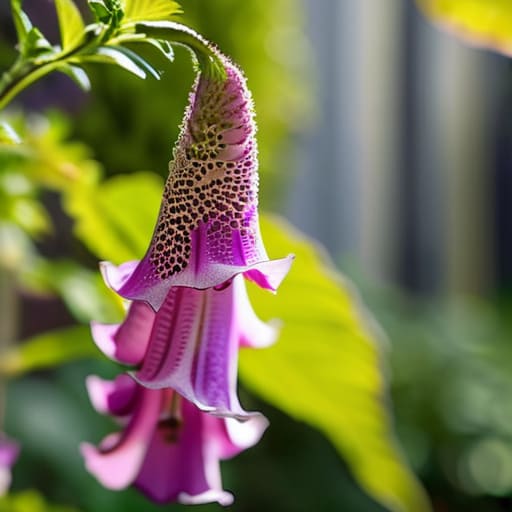
Every time a news cycle hits, I see the same thing: a headline screaming about a “deadly” plant in your backyard, usually accompanied by a photo of something far more dramatic than what is actually in your flowerbed. It’s easy to get swept up in that panic, but effective toxic garden plants identification isn’t about fearing every green leaf; it’s about understanding specific biological defenses. Take Digitalis purpurea, or Foxglove. It’s a stunning plant, but it contains cardiac glycosides that are genuinely problematic if ingested. The goal isn’t to rip out everything that has a bit of alkaloid in it, but to know exactly what you’re handling so you aren’t making assumptions based on a scary infographic.
The real nuance lies in the distinction between a plant that is mildly irritating and one that requires strict management. For instance, Euphorbia species produce a milky sap that can cause significant skin irritation, which is a different kind of risk than the systemic toxicity of Aconitum. When we talk about protecting children from garden risks, we shouldn’t be teaching them that “nature is bad,” but rather how to respect specific boundaries. It’s about moving away from the “everything is a hazard” mindset and toward a more precise, evidence-based awareness of your specific landscape.
Preventing Garden Injuries Through Better Outdoor Workspace Organization
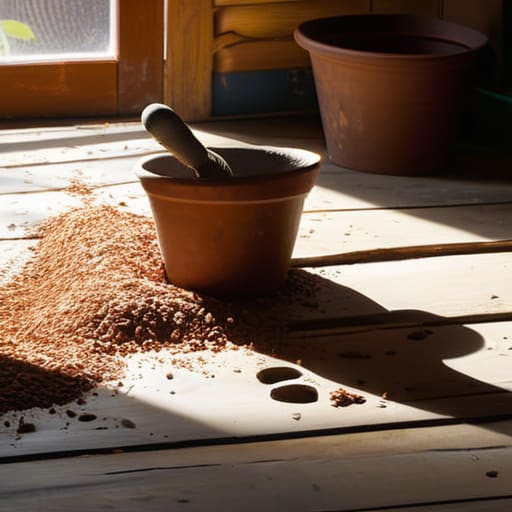
I spent three years doing field surveys in hedgerows, which means I’ve spent a lot of time tripping over discarded trowels and navigating tangled, unmanaged equipment caches. We often focus on the “big” threats—like the Aconitum (monkshood) we just discussed—but the reality of preventing garden injuries is often much more mundane and, frankly, much more preventable. It’s about the physical chaos of a shed that hasn’t been organized since the nineties. When your shears are buried under a pile of heavy ceramic pots or your kneeling pad is hiding a rusted spade, you aren’t just creating a mess; you’re creating a trip hazard that can end a season of fieldwork before it even starts.
Effective outdoor workspace organization isn’t about having a Pinterest-perfect potting bench; it’s about functional safety. I’m talking about clear pathways, designated spots for sharp implements, and ensuring that your heavy-duty gear is stored where it won’t fall on a toe. If you’re working in a shared space, this becomes even more critical for protecting children from garden risks. A stray rake left upright in the grass is a classic injury waiting to happen. If we treat our garden tools with the same systematic care we use for our data, we spend much less time patching up scrapes and much more time actually observing the biodiversity around us.
The Invisible Variables: Managing the Biological and Structural Risks We Often Overlook
- Agrochemical residue management. We talk a lot about “toxic plants,” but the real hazard in many domestic gardens is the inconsistent application of systemic pesticides. If you’re using products designed to kill sap-sucking insects, you aren’t just targeting a pest; you’re creating a chemical footprint in the soil and nectar that can affect everything from your dog to the local pollinator community. I always suggest checking the specific label for “residual toxicity” rather than just assuming a “pet-safe” sticker means the ground is biologically inert.
- Managing Vespa crabro (European Hornet) and other stinging insect nesting sites. There is a massive difference between a single wasp hovering near your lemonade and a localized colony established in a hollow log or an old garden shed. People tend to panic and reach for the heavy-duty spray, which is often the worst way to handle it. My advice is to observe the flight paths for a few days first; if you see a concentrated stream of activity in one specific hole, that’s a structural hazard that needs professional management, not a DIY chemical blitz.
- Mitigating Ixodidae (Tick) habitats. If your garden has “wild” margins—which, for the record, are essential for biodiversity—you have effectively created a perfect microclimate for ticks. You don’t need to clear-cut your garden to stay safe; you just need to manage the transition zones. Keeping a clear, gravelly, or mown path between your heavy vegetation and your seating areas breaks the humidity cycle they need to thrive, making the “hazard” much more manageable without destroying the habitat.
- Addressing the structural decay of “natural” garden features. We love the aesthetic of deadwood piles and stone walls for supporting invertebrates, but there is a fine line between a biodiversity hotspot and a collapsing pile of heavy debris. I’ve seen too many people build a “bug hotel” that is essentially a structural liability. If you’re stacking heavy timber or old stones, ensure the base is compacted and the center of gravity is low. A habitat shouldn’t become a physical hazard to the person maintaining it.
- Dealing with Lantana camara and other invasive “garden escapes.” It’s easy to focus on the immediate danger of a thorn or a sting, but the long-term hazard to your garden’s ecology is the aggressive invader. Some plants are so efficient at colonizing space that they effectively “sterilize” a garden of its native variety by outcompeting everything else. Identifying these early isn’t just about tidiness; it’s about preventing a biological takeover that makes your garden a monoculture rather than a functioning ecosystem.
What to Actually Prioritize in Your Garden
Stop obsessing over every “toxic” plant in the nursery; focus instead on the high-risk species like Digitalis purpurea (foxglove) or Aconitum (monkshood) that actually require physical barriers or careful placement near children and pets.
Real garden safety isn’t about avoiding nature, but about managing the workspace—keep your tools organized and your paths clear so that a simple slip doesn’t turn into a trip to the A&E.
Move away from the “scare headline” mindset and toward evidence-based management; understanding the specific biological risks of your plants is far more effective than general, unhelpful panic.
Moving Beyond the Panic
When we strip away the sensationalist headlines, managing a garden isn’t about living in fear of every toxic leaf or tripping over a misplaced trowel; it is about informed stewardship. We have looked at how identifying specific botanical toxins can prevent accidents without requiring you to rip out your entire flower bed, and how a bit of spatial logic in your workspace can stop a minor mishap from becoming a major injury. The goal isn’t to create a sterile, risk-free bubble, but to build a landscape where you—and the organisms you are trying to support—can exist without unnecessary friction. It is about moving from a place of reactive panic to a place of proactive, evidence-based management.
Ultimately, the way we interact with our outdoor spaces dictates the health of the tiny, often overlooked ecosystems right beneath our feet. If we spend all our energy fighting imaginary threats or obsessing over single-study scares, we lose sight of the actual ecological work that matters, like creating nectar-rich margins or leaving the leaf litter for the invertebrates. Don’t let the fear of a “hazard” stop you from getting your hands dirty. If you manage your space with a bit of precision and a lot of common sense, you aren’t just keeping yourself safe—you are building a resilient sanctuary for the species that truly need us.
