I was halfway through a transect in the middle of a Tuesday downpour, shivering in a waterproof jacket that had long since lost its battle with the elements, when I realized that most “complete guide to moths” resources are fundamentally broken. They either treat moths like dusty, seasonal pests that belong in a cedar chest, or they lean into that breathless, apocalyptic tone that makes you feel like the world is ending every time you see a single Noctuidae specimen on a light sheet. Neither approach helps you actually see what is happening in your own garden.
I’m not here to give you a list of every single species in the UK—that would require a textbook the size of my PhD thesis—but I can give you something better. This is a no-nonsense breakdown of how to actually observe them, how to tell the difference between a common garden visitor and something truly significant, and what the data actually says about their survival. We aren’t going to rely on vague anecdotes or alarmist headlines; instead, we’ll look at the real mechanics of how these insects interact with your local landscape.
Table of Contents
Decoding Moth Species Taxonomy Without the Sensationalism
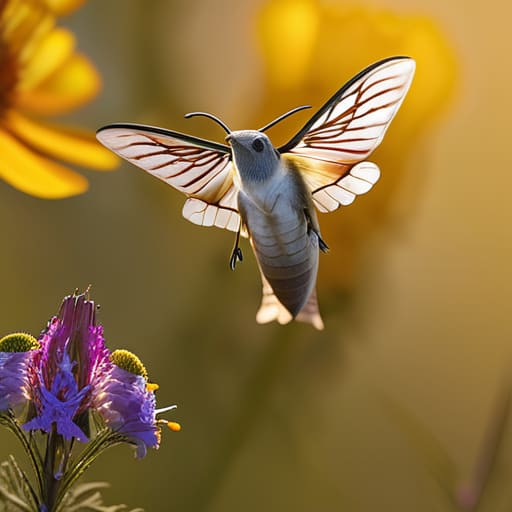
When you look at a moth, you aren’t just looking at a “brown insect”; you are looking at a specific branch of a massive, complex evolutionary tree. In moth species taxonomy, we aren’t just playing a game of naming things for the sake of it. It’s about precision. If I tell you I found a Macroglossum stellatarum, I’m telling you exactly which niche that creature occupies, how it flies, and what it’s eating. If we just call everything a “moth,” we lose the ability to track which specific groups are actually struggling and which are holding steady.
The problem is that the media loves a “collapse” narrative, but taxonomy tells a much more nuanced story. A decline in one specific family of Lepidoptera doesn’t always mean a total ecosystem failure, but it does mean we need to look closer at habitat connectivity. This is why citizen science moth monitoring is so vital. When people upload photos of specific wing patterns rather than just blurry shapes, they provide the granular data that allows us to distinguish between a seasonal dip and a genuine population trend. We need the specifics to make the conservation arguments that actually stick.
Understanding Lepidoptera Lifecycle Stages Beyond the Metamorphosis
When we talk about the Lepidoptera lifecycle stages, the conversation almost always jumps straight to the “magic” of the caterpillar turning into a moth. It’s a great story, but if you’re actually out in a field margin at 2:00 AM, the magic feels a lot more like a messy, high-stakes biological gamble. We tend to focus on the adult moth because that’s what shows up in our light traps, but the adult is arguably the most vulnerable and fleeting part of the whole process.
The real heavy lifting happens during the larval and pupal phases, which are entirely dictated by the micro-habitats available. A species might be incredibly successful at producing eggs, but if the specific host plant isn’t present in the next ten meters of hedgerow, that generation is effectively dead on arrival. This is why moth habitat conservation isn’t just about planting “wildflowers”; it’s about the specific, often unglamorous structural diversity of the landscape. We have to move past the idea of the moth as a single entity and start seeing it as a series of different organisms that all need very different things to survive.
Five Ways to Actually Support Your Local Moths (Without Turning Your Garden into a Jungle)
- Prioritize native nectar sources over “pretty” imports. Most garden center plants are bred for petal count and aesthetics, which often means they’ve lost the chemical signals or nectar rewards that local Sphingidae—the hawk moths—actually need to fuel their flight. If you want to help, plant something that actually belongs in your local soil.
- Leave the leaf litter alone, at least in patches. We tend to tidy up our borders because we want a “clean” look, but that’s where the pupae are hiding. Many species spend the winter as a dormant pupa tucked into the base of a hedge or under a layer of decaying leaves; if you rake everything away, you’re essentially removing their nursery.
- Swap the bright porch light for a warmer spectrum. It’s a common misconception that all light is equally bad, but high-intensity UV and blue-rich LED lights are what really disrupt the navigation of nocturnal insects. Switching to a warm, amber-toned bulb or a motion-sensor light reduces the “vacuum cleaner effect” where moths are drawn away from their habitats and toward your front door.
- Don’t panic if you don’t see a massive explosion of diversity overnight. One single summer of heavy rain or a late frost can skew your personal observations, and that doesn’t necessarily mean a local extinction event is happening. Real conservation is about the long-term trend in the survey data, not the single night your moth trap comes up empty.
- Create “messy” margins rather than perfect lawns. A manicured grass lawn is essentially a biological desert for most lepidopterans. By leaving a strip of uncut grass or a wilder field margin at the edge of your property, you provide the structural complexity required for different life stages to thrive, from egg-laying to larval feeding.
What to actually keep in mind
Stop equating “fewer moths” with “extinction” without looking at the context; local fluctuations are normal, and a bad year for a specific species doesn’t always mean a total population collapse.
Identifying a moth requires looking at specific morphological traits—like wing venation or antenna structure—rather than just relying on a general “vibe” or color pattern.
Understanding the lifecycle means recognizing that a lack of caterpillars in your garden isn’t a failure of your gardening, but often just a sign that the adults are laying eggs elsewhere.
Beyond the Identification Guide
We have covered a lot of ground, from the precise taxonomic distinctions that separate one genus from another to the messy, non-linear reality of the Lepidoptera lifecycle. If you take away anything from this, let it be this: understanding moths requires moving past the idea that they are just “brown butterflies” or simple biological machines. It requires looking at the actual data—the way specific larval host plants dictate where a population can survive and how weather patterns shift the timing of a single emergence. We don’t need more sensationalist claims about “mothageddon”; we need a grounded understanding of how these insects actually function within their specific niches.
At the end of the day, my PhD is built on counting tiny things in the rain, and I can tell you that the most important work happens in the margins. You don’t need to be an entomologist to make a difference, but you do need to be intentional. Whether it is leaving a patch of nettles for the Aglais urticae or simply turning off a porch light to reduce light pollution, these small, evidence-based actions are what keep the surveys looking hopeful. Conservation isn’t about grand, sweeping gestures that look good in a press release; it is about protecting the quiet, complex reality of the insects that are working right under our noses.
