I once spent six hours crouched in a damp hedgerow, shivering in a waterproof jacket that had long since lost its battle with the rain, just to record three different species of Bombus terrestris. It was humbling, frustrating, and—most importantly—it was real. Most people think that understanding how ecosystem diversity is assessed involves some grand, satellite-driven magic or a massive, impenetrable spreadsheet of data points. But when you’re actually out there, you realize that the “big picture” is often just a collection of tiny, difficult-to-catch moments. We tend to get distracted by the high-tech metrics, but if you aren’t looking at the right things, you aren’t actually measuring life; you’re just counting noise.
I’m not here to give you a lecture filled with academic jargon that requires a PhD to decode. Instead, I want to pull back the curtain on what the surveys actually measure and why the methodology matters more than the headline. I’ll walk you through the practical reality of how ecosystem diversity is assessed, from the ground up, and tell you exactly where the evidence is solid and where we are still just guessing in the dark.
Table of Contents
The Truth About Species Richness and Evenness
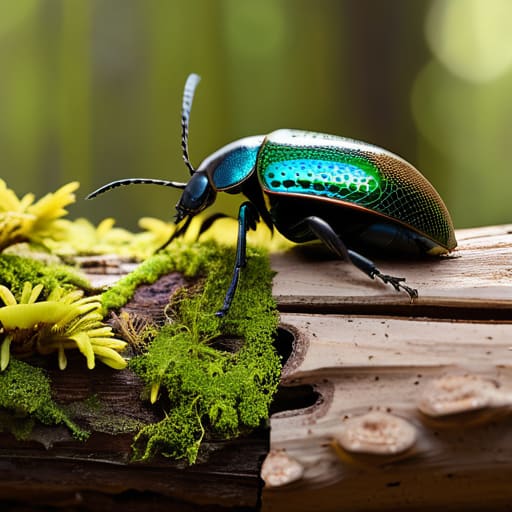
When people talk about biodiversity, they usually mean a big, impressive number of different species living in one place. In my field, we call that species richness. It’s a vital starting point, but it’s also a bit of a trap. You can have a field with fifty different types of beetles, which sounds like a win, but if forty-nine of them are just a single, common species and the last one is a rare specialist, that ecosystem is incredibly fragile. That’s where we have to look at species richness and evenness as a pair. Evenness tells us how the individuals are actually distributed; a balanced population is a resilient one, whereas a skewed one is often just a single species riding a temporary wave of abundance.
This is why we use specific biodiversity indices and metrics rather than just tallying heads. If I’m out on a transect and I find a hundred Bombus terrestris but only one Bombus sylvarum, the “richness” looks okay on paper, but the “evenness” is shouting that something is wrong. We aren’t just looking for a high total; we are looking for stability through distribution.
Why Biodiversity Indices and Metrics Often Tell Half a Story
The problem with relying solely on biodiversity indices and metrics is that they are essentially mathematical abstractions. You can have a Shannon index score that looks fantastic on a spreadsheet, but if that number is driven by a massive influx of a single, non-native species that has colonised a patch of scrub, your “high diversity” is actually a red flag for a failing ecosystem. We often mistake a high number for health, when in reality, a high number might just mean a site is being overrun by generalists.
This is where the gap between data and reality becomes dangerous. We use various ecological monitoring techniques to try and bridge this, but a snapshot in time rarely captures the functional truth of a landscape. You might see ten different species of beetle in a transect on a Tuesday, but if those species aren’t interacting with the local flora or providing the specific pollination services a habitat needs to persist, that number is functionally hollow. We need to stop treating these metrics as a final verdict and start seeing them as the starting point for a much deeper conversation about what is actually happening on the ground.
How to actually look at a landscape without getting lost in the math
- Stop obsessing over the total number of species and start looking at the ratios. You can have a field with fifty different species of beetles, but if forty-nine of them are just a single, lucky individual and one species makes up 99% of the population, that ecosystem is much more fragile than the headline suggests. We need to look at evenness, not just richness.
- Respect the limitations of your sampling window. If I go out on a transect in mid-July, I’m going to find a completely different community than if I go out in May. A single afternoon of surveying isn’t a “biodiversity assessment”; it’s a snapshot. If you aren’t accounting for seasonality, you aren’t measuring a population, you’re just catching a moment.
- Distinguish between “presence” and “abundance.” Just because a specific moth species shows up in your light trap once doesn’t mean the habitat is supporting a viable population. There is a massive, vital difference between a species being there and a species thriving. Our metrics need to reflect that distinction if we want to measure real recovery.
- Watch out for the “collector’s bias” in your data. In my experience, the more enthusiastic the surveyor, the higher the species count tends to be—not necessarily because the site is better, but because they’re looking harder. When you read a study, ask who did the counting and what their method was. If they didn’t standardize their effort, the numbers are essentially noise.
- Look at the structural complexity, not just the species list. You can have a perfectly “diverse” list of insects in a manicured garden, but if there’s no dead wood, no bare soil, and no messy hedgerow margins, that diversity is a house of cards. Assessment should prioritize the physical niches available, because species are just the visible symptom of a healthy habitat structure.
The Reality Check: What to Actually Look For
Stop obsessing over a single “biodiversity score” and start looking at the composition; a garden with ten different species of non-pollinating flies is often more ecologically stable than one with fifty species of a single, dominant moth.
High species richness is a hollow metric if it’s driven by transient species passing through; we need to distinguish between a genuine resident population and a “tourist” snapshot that looks good on paper but doesn’t mean the habitat is actually functioning.
Methodology is everything, so always ask how the data was gathered—there is a massive, measurable difference between a professional transect survey and a casual “count what you see in the garden” approach, and we shouldn’t let the latter dictate conservation policy.
Beyond the Spreadsheet
At the end of the day, we have to accept that a single Shannon index score or a list of species names isn’t a complete picture of a living, breathing ecosystem. As we’ve seen, the math can tell us about richness and evenness, but it can’t capture the messy, interconnected reality of how a single hawkmoth interacts with a specific patch of night-scented stock. If we rely solely on imperfect metrics to define success, we risk missing the subtle shifts in population dynamics that actually signal a crisis. We need to stop treating biodiversity like a static number on a page and start seeing it as a complex web of interactions that requires nuanced, long-term observation rather than just a snapshot in time.
This isn’t to say that the data is useless—far from it—but it does mean we need to be smarter about how we use it. We don’t need more alarmist headlines; we need better, more consistent surveys and a willingness to admit when the evidence is still thin. If you want to make a difference, don’t just aim for a high species count in your garden; aim for functional diversity. Plant the things that actually support the lifecycle of the insects you see, and understand that real conservation happens in the margins, in the small, measurable ways we restore the connections that numbers alone can’t quite quantify.
