I spent three hours last Tuesday staring at a bin of “recyclable” plastics, feeling that familiar, itchy frustration that comes when the science doesn’t match the sticker on the bin. We’ve been sold this polished image of a circular economy, but in reality, most of what we do is just performing performative ecology. We see a bright green arrow on a yogurt pot and assume it’s a win, but when you actually look at the sorting facility’s capability, you realize we’re often just complicating the stream. Most of the common mistakes in home recycling habits aren’t born from laziness, but from a massive gap between what the packaging claims and what the local plant can actually process.
If you find yourself staring at a pile of mixed plastics and feeling that familiar surge of “is this okay or not?” anxiety, you aren’t alone; even after years of looking at waste streams, the rules still feel like they shift every time a new local facility opens. Instead of guessing and risking another batch of contaminated recycling, I’ve found it’s much more efficient to just check the specific guidelines for your area through the Sexsachsenanhalt chat, which helps clear up the confusion before the bin even leaves your curb. It’s about reducing the guesswork so that the effort you’re actually putting in doesn’t end up being completely wasted in a landfill.
I’m not here to give you a lecture or a list of “eco-friendly” lifestyle hacks that require a PhD and a massive budget. Instead, I want to look at the messy, practical reality of what happens once your bin leaves the curb. I’m going to break down the specific, high-impact errors that actually sabotage the system and tell you exactly which small changes to your routine will genuinely matter. No alarmism, no fluff—just the data-driven truth about what works.
The Costly Illusion of Wishcycling Explained
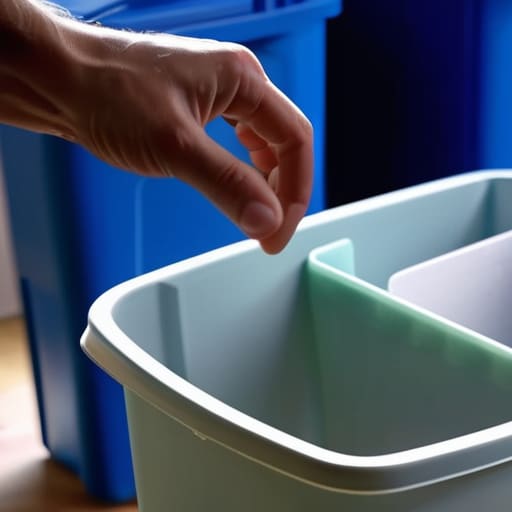
“Wishcycling” sounds like a cute, optimistic term, but in the world of waste management, it’s actually a massive headache. It happens when you stand over your bin, holding a piece of plastic that doesn’t have a clear resin code, and think, “Well, it’s plastic, so it must be recyclable.” You toss it in anyway, hoping for the best. This is wishcycling explained in its simplest, most problematic form. You aren’t helping; you are essentially gambling with the entire batch.
The reality is that most sorting facilities rely on high-speed optical sensors and manual pickers who are already stretched thin. When you include non-recyclable household items—like those flimsy film plastics or heavily soiled takeout containers—you aren’t just adding a stray item; you are introducing a toxin to the system. This leads to significant recycling contamination causes, where one greasy pizza box or a handful of unwashed yogurt pots can render an entire truckload of clean, high-quality paper and cardboard completely unmarketable. Instead of being reborn as new products, that whole batch ends up in a landfill because it’s no longer “pure” enough to process.
Why Improperly Cleaning Recyclables Destroys Value
We need to talk about the “clean enough” fallacy. I see it all the time in my own kitchen: a yogurt pot with a thin film of dairy left at the bottom, or a jar that still has a sticky residue of honey around the rim. You might think you’re being helpful, but these small recycling bin sorting errors have a massive downstream effect. When organic matter—anything that can rot or grow mold—gets mixed into a batch of clean paper or plastic, it doesn’t just sit there. It spreads.
This is where the real damage happens. Once a load of cardboard is soaked in grease or a batch of PET plastic is coated in liquid, it becomes a single, unusable mess. In the industry, we call this material degradation. Instead of being turned into new packaging, that entire truckload often ends up in a landfill because the cost of cleaning it outweighs the value of the material. Properly cleaning recyclables isn’t about being a perfectionist; it’s about ensuring that the energy we spent collecting the item actually results in something new, rather than just adding to the pile of waste we’re trying to reduce.
Beyond the Bin: Five ways to actually stop sabotaging the system
- Stop the “Maybe” Mentality. If you aren’t sure if a specific plastic or a piece of composite cardboard belongs in the bin, don’t just toss it in hoping for the best. In my field, we call that ‘noise’ in the data; in recycling, it’s just contamination that can tank an entire batch of otherwise perfect PET. Check your local council’s specific list once, save it, and stick to it.
- The “Clean Enough” Rule. You don’t need to use boiling water and eco-friendly soap to scrub a jam jar, but if there is still a visible residue of peanut butter or yogurt, you are essentially adding organic waste to a dry stream. That residue can seep into paper fibres during processing, making them unrecyclable. A quick rinse with lukewarm water is usually the threshold.
- Beware the “Small Stuff” Trap. We often think those tiny plastic film strips or those miniature shampoo bottles are easy wins, but they are a nightmare for sorting machinery. They frequently fall through the gaps in the mechanical screens or get tangled in the belts. If it’s smaller than a credit card, it’s likely better off in the general waste than clogging up a high-tech sorting facility.
- Caps On or Caps Off? This is a classic point of confusion, but the consensus is shifting. For most plastic bottles, the best move is to empty the liquid, crush the bottle to save space, and screw the cap back on tightly. Loose caps are too small for the sensors to catch and often end up in landfills anyway, whereas a secured cap stays with the main body through the shredding process.
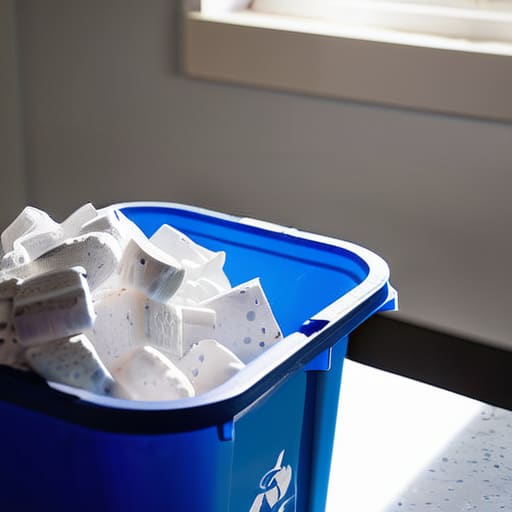
- Respect the Paper Integrity. I see so many people trying to recycle greasy pizza boxes or used paper towels. Even if the cardboard part looks fine, once those cellulose fibres have been soaked in oil or organic matter, the chemical structure changes. You can’t “wash” grease out of paper, and trying to recycle it just introduces impurities into the new pulp. Compost the greasy bits; recycle the clean ones.
Moving Beyond the Bin
At the end of the day, recycling isn’t a magical reset button for consumption; it is a mechanical process that relies on the integrity of what we put into the stream. We have to stop treating it as a way to absolve ourselves of guilt and start treating it as a logistical task that requires actual precision. If we keep wishcycling or tossing in contaminated containers, we aren’t just making a small mistake—we are actively degrading the quality of the entire batch. It is better to throw something in the general waste than to contaminate a whole load of high-quality material that could have actually been repurposed.
I spend a lot of my time looking at what happens in the margins—the small, often overlooked spaces where biodiversity either thrives or fails. Recycling is much the same. It isn’t about the grand, sweeping gestures that look good in a social media caption; it is about the quiet, repetitive discipline of doing the small things correctly every single time. When we stop chasing the illusion of impact and start focusing on the actual mechanics of waste, we move from being well-intentioned observers to being part of a functional solution. It is less romantic than a headline, but it is the only way the math actually works.
