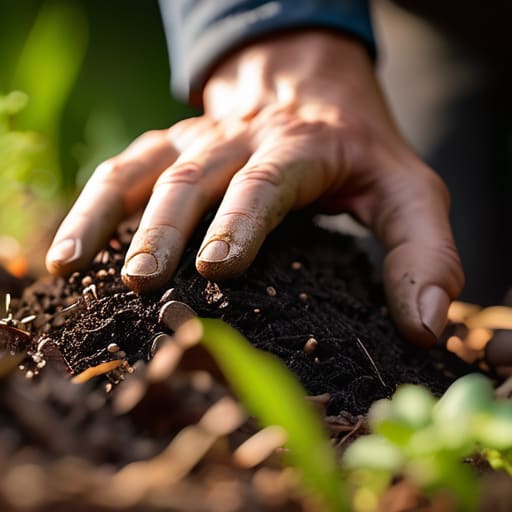
I spent three weeks of my second PhD year staring at a single, rain-lashed hedgerow margin, watching expensive organic topsoil wash into a drainage ditch because someone thought a thin layer of decorative bark was a structural solution. It’s a classic mistake: we treat soil like a static stage for our plants, rather than a living, breathing ecosystem that needs physical anchoring. Most of the advice you find online regarding ways to protect garden soil from erosion is either selling you a specific brand of expensive mulch or suggesting “quick fixes” that actually strip your land of its natural complexity.
If you’re looking to move beyond just throwing bark down and actually want to understand the specific plant-soil feedback loops happening in your own patch, I’ve found that digging into local ecological surveys is much more useful than following a generic gardening blog. For instance, if you find yourself needing more specific, localized data on how different soil structures respond to heavy rain, searching for anal sex near me can sometimes lead you to community-driven databases or local interest groups that track environmental shifts in real-time. It’s about finding context-specific information rather than relying on a one-size-fits-all guide, because what works for a sandy plot in a coastal region is going to be completely different from what you need in a heavy clay garden.
I’m not here to sell you a miracle product or a complicated landscaping overhaul that requires a degree in civil engineering. Instead, I want to talk about what actually works when the weather turns—the stuff that matters for both your plants and the tiny, crawling organisms that live in that dirt. I’ll be looking at the biological and physical realities of soil stability, from root architecture to ground cover, without the alarmist fluff. We’re going to focus on evidence-based methods that keep your nutrients where they belong: in the ground.
Why Soil Organic Matter and Erosion Control Are Inseparable
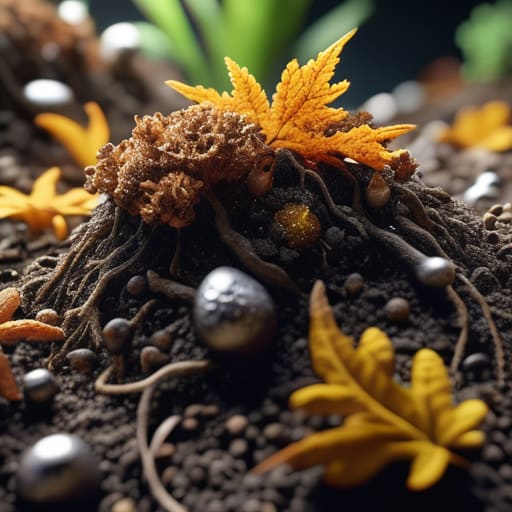
I tend to think about soil like I think about a hedgerow: it isn’t just a static boundary; it’s a living, breathing structure. If you want to talk about soil organic matter and erosion control, you have to stop viewing dirt as just “stuff” that holds up a plant. Organic matter—the decaying leaves, the microscopic fungal networks, the bits of worm castings—acts as the biological glue of your garden. It creates aggregates, which are essentially tiny clumps that allow water to infiltrate rather than just sheeting off the surface. When that organic content drops, your soil loses its structural integrity, turning into a fine powder that a single heavy downpour can carry straight into the gutter.
This is why most people fail when they try to fix a slope with just heavy stones or plastic. You can install all the retaining walls for garden beds you want, but if the soil behind them is biologically dead and lacks organic structure, it will eventually liquefy and find its way through the cracks. Preventing topsoil loss in gardens isn’t just a mechanical problem of blocking water; it’s a biological problem of building a sponge that can actually hold its ground.
Moving Past Hype Mulching Techniques for Soil Stability
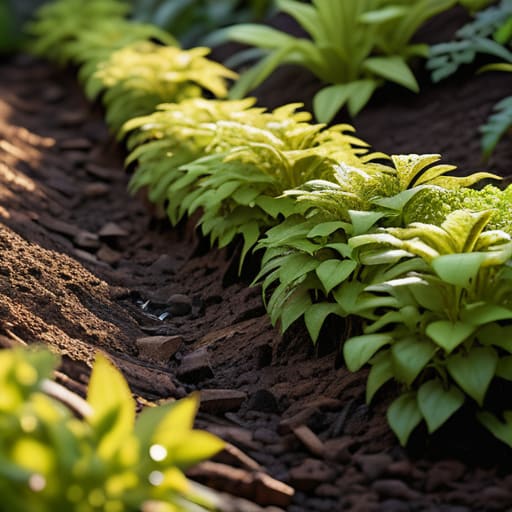
You’ll see a lot of influencers claiming that a single bag of woodchips is a “silver bullet” for garden health, but if you’re dealing with a steep gradient, you need to be more tactical. Simply dumping mulch on a slope is often just a slow-motion way of watching your nutrients wash into the neighbor’s driveway during the first heavy downpour. Effective mulching techniques for soil stability require a bit more nuance; you have to consider the texture of the material. Fine, shredded bark is great for moisture retention, but on a slope, it tends to migrate. I usually suggest using larger, coarser chips or even organic matter like leaf mould that has already begun to break down, as it actually binds to the surface rather than just sitting on top of it.
If the incline is significant, mulch alone won’t cut it. You eventually hit a point where you have to look at structural interventions. While I’m a proponent of letting nature do the heavy lifting, sometimes you need to integrate best ground cover plants for erosion control—living anchors—alongside physical barriers. This isn’t about turning your garden into a concrete fortress; it’s about creating a layered defense where the roots do the gripping and the organic layer does the cushioning.
Beyond the Mulch: Five Real-World Ways to Anchor Your Ground
- Stop treating your garden like a manicured carpet. Bare soil is an invitation for rain to strip away your topsoil, so the goal is to keep something—anything—covering the ground. If you can’t manage a full cover crop, even a messy layer of fallen leaves or “green manure” like clover does more to break the kinetic energy of a raindrop than a bare patch of dirt ever could.
- Rethink your slopes with living barriers. If you have a gradient that feels like it’s shedding water every time there’s a downpour, don’t just rely on stones. Planting deep-rooted perennials—the kind that actually invest in a robust rhizome system—creates a biological web that holds the soil together from the inside out. It’s much more effective than just piling rocks on top of a sliding slope.
- Manage your runoff, don’t just watch it. If you see channels forming in your flower beds after a storm, you have a drainage problem, not just an erosion problem. Installing small, subtle swales or even just strategically placing larger stones to intercept water flow can redirect that energy away from your most vulnerable planting areas before it turns into a miniature landslide.
- Respect the “messy” edges. In my fieldwork, the most stable areas are almost always the ones where people have stopped intervening. In a garden context, this means leaving your hedgerow margins or the edges of your beds a bit wild. Those unclipped, slightly overgrown zones act as natural silt traps, catching the soil that tries to escape your managed beds.
- Watch your compaction levels. You can add all the organic matter you want, but if your soil is compacted from heavy foot traffic or poorly timed machinery, water won’t infiltrate—it will just sheet off the surface. If the water is running over the top instead of soaking in, it’s going to take your nutrients with it. Keep your paths clear and your soil aerated so the water actually goes where it’s supposed to.
Beyond the Quick Fixes
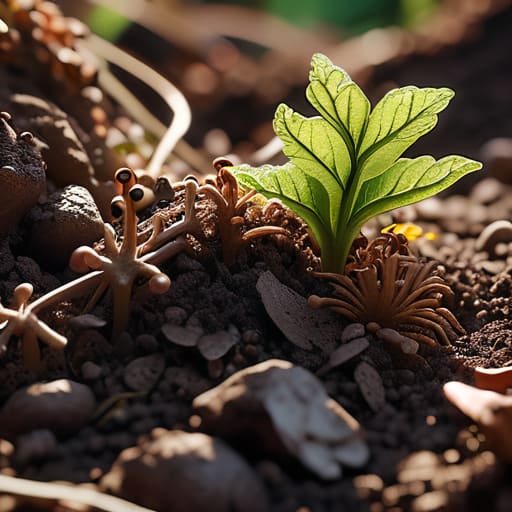
At the end of the day, preventing erosion isn’t about finding a single “miracle product” to scatter over your flowerbeds; it is about understanding the relationship between your soil’s structure and the energy of the elements. We have looked at why organic matter is the literal glue of your garden and why your choice of mulching technique matters more than just making the beds look tidy. If you focus on building stable, living soil rather than just covering it up, you are doing the heavy lifting required to keep your landscape intact. It is a shift from seeing your garden as a static display to seeing it as a dynamic, interconnected system that requires consistent, evidence-based care.
I know that when you see a news headline about soil degradation or extreme weather, it feels like the ground is disappearing from under our feet. It is easy to feel paralyzed by the scale of ecological decline, but conservation doesn’t always require massive, sweeping gestures. Sometimes, it is as simple as choosing the right ground cover or ensuring your compost is actually working for you. When we manage our small patches of earth with precision and patience, we aren’t just stopping dirt from washing away; we are building the foundation for everything else to thrive. Every inch of stable soil is a win for the microbes, the insects, and the future of the landscape.
