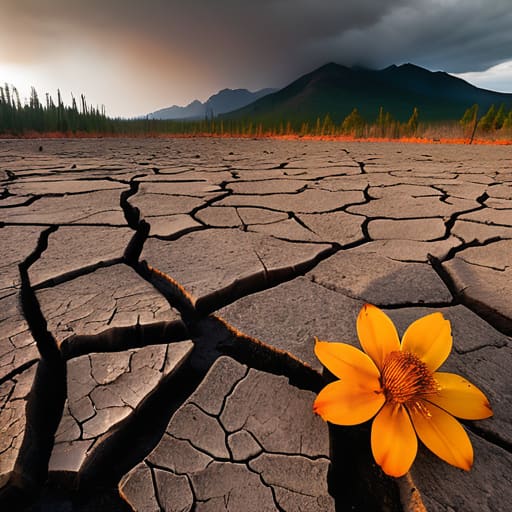
I was waist-deep in a damp, stinging nettle patch last Tuesday, clutching a clipboard and trying to ignore the fact that my boots were officially soaked through, when it hit me: the data doesn’t care about our neat little categories. We love to talk about “climate change” as if it’s this singular, looming monster under the bed, but in the field, it looks much messier. It’s not just about a few degrees of warming; it’s about how climate change interacts with other pressures—like the sudden disappearance of a specific wildflower or the way a fragmented hedgerow prevents a bee from finding shade—to create a perfect storm of stress. When you’re actually counting the survivors, you realize these aren’t separate problems; they are a single, tangled web of complications.
I’m not here to give you another doom-laden headline or a lecture on global atmospheric models that won’t help you manage your garden. Instead, I want to look at the actual mechanics of decline. I’ll explain what the surveys are telling us about these overlapping stressors and, more importantly, which specific, local interventions actually hold weight when the environment is being hit from multiple angles at once.
Table of Contents
The Synergistic Effects of Environmental Change
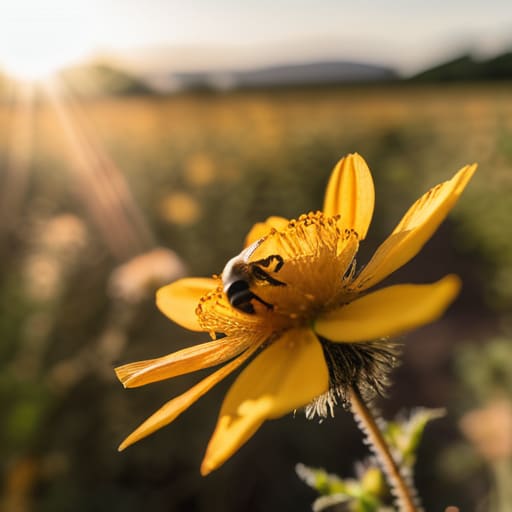
In my field surveys, I rarely see a single variable acting in isolation. It’s never just “the temperature went up by two degrees and that’s why the bumblebees are gone.” Instead, I see the synergistic effects of environmental change playing out in real-time. Imagine a hedgerow where the floral bloom is already being squeezed by intensive pesticide use; if a sudden heatwave then shifts the flowering window by ten days, the timing between the insect and its food source doesn’t just slip—it breaks.
This is the reality of compounding environmental stressors. When we talk about climate change and biodiversity loss, we aren’t talking about two separate problems stacking on top of each other like bricks. We are talking about a chemical reaction. A population might have enough ecosystem resilience and adaptation to handle a dry summer, but if that same population is already fragmented by a new housing development, they have nowhere to move when the local microclimate shifts. The stressors don’t just add up; they multiply the damage, making a manageable problem suddenly become a local extinction event.
Unpacking Cascading Climate Risks in Fragile Habitats
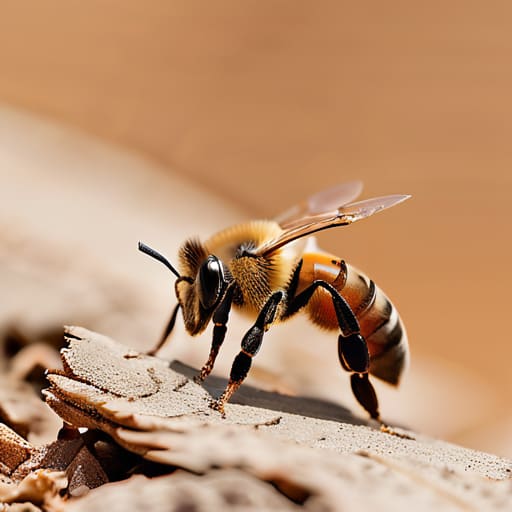
When I’m out on a transect, I’m rarely looking at a single variable in isolation. It’s tempting to look at a heatwave and say, “That’s the problem,” but in the field, you see how it actually triggers cascading climate risks. Take a specialist pollinator, for example. If a spring heat spike causes a wildflower to bloom two weeks early, the insect might emerge to find its primary food source already spent. This isn’t just a bad week for a bee; it’s a disconnect in the timing that can collapse a local population.
This is where the real danger lies: the way these shifts create compounding environmental stressors. A population already thinned out by habitat fragmentation—say, a field separated from a hedgerow by a massive, pesticide-sprayed monoculture—has zero buffer left when a drought hits. They lack the ecosystem resilience needed to bounce back because their “safety net” of connected habitats has been stripped away. We can’t just solve for temperature; we have to solve for the fact that these species are being squeezed from every direction at once.
Moving Beyond the "One Big Thing" Fallacy: Five Ways to Actually Help
- Stop looking for a silver bullet. If you’re focusing solely on carbon footprints while your local hedgerow is being trimmed into a sterile line, you’re missing the point. We have to address the immediate, local stressors—like habitat fragmentation—because a species can’t adapt to a warming climate if it has nowhere to move to.
- Prioritize “micro-refugia” in your garden design. This isn’t just about planting flowers; it’s about creating pockets of stability. Think dense, unmanaged shrubbery or north-facing shaded corners that stay cooler and more humid than the rest of the garden. These small thermal buffers can be the difference between a population surviving a heatwave or blinking out.
- Connect the dots between pesticide use and thermal stress. The data is still emerging on the exact synergy here, but we know that a bug struggling to regulate its body temperature in a heatwave is much less resilient to chemical exposure. Reducing “preventative” spraying in your local area gives insects the physiological breathing room they need to handle the weather.
- Embrace “messy” biodiversity over aesthetic perfection. A manicured lawn is a biological desert that offers zero protection against extreme weather. Leaving leaf litter and dead wood isn’t just about being “lazy”—it’s about providing the thermal insulation and moisture retention that insects desperately need when the environment becomes volatile.
- Focus on floral continuity, not just “bee flowers.” As spring temperatures shift, we’re seeing phenological mismatches where flowers bloom before their pollinators emerge. By planting a diverse range of species that bloom at different times—from the first frost through the late summer—you help bridge those gaps caused by the erratic timing of a changing climate.
What to actually take away from this
Stop looking for a single ‘smoking gun’ for insect decline; it is rarely one thing, but rather the way heat stress, habitat fragmentation, and pesticide use stack on top of each other to create a pressure no single species can outrun.
We need to move past the ‘all or nothing’ mindset in conservation and focus on building resilience through connectivity—small, messy, unmanicured margins matter because they act as the vital buffers when climate fluctuations hit a local population.
Be skeptical of headlines that claim a single study has ‘solved’ the insect crisis or predicted its end; the real science is happening in the messy, longitudinal data of field surveys, where we are learning that the interaction between stressors is much more complex than a simple downward line.
Moving Beyond the Multiplier Effect
We can’t keep looking at climate change, habitat fragmentation, and pesticide use as separate line items on a spreadsheet. As we’ve seen, they don’t just add up; they multiply. A bumblebee colony might survive a particularly dry summer, but it likely won’t survive that same summer if its foraging corridor has been turned into a manicured lawn and its primary nectar source is hit by a late-season frost. When we strip away the ecological buffers that allow species to pivot, we aren’t just making life harder—we are systematically removing their ability to adapt. The data shows that the danger isn’t in any single stressor, but in the compounding weight of them all hitting at once.
It is easy to feel paralyzed by the sheer scale of these overlapping crises, but that’s exactly where the conversation usually fails. We don’t need more doom-scrolling; we need targeted, evidence-based interventions. If we can’t stop the global temperature from shifting overnight, we can at least ensure that the local landscape is resilient enough to handle the blow. Planting a diverse, messy hedgerow or reducing chemical use in your garden isn’t just a “nice to do”—it is a way of rebuilding the safety net that these insects so desperately need. Let’s stop waiting for a single silver bullet and start focusing on the small, connected wins that actually keep the biology moving.
