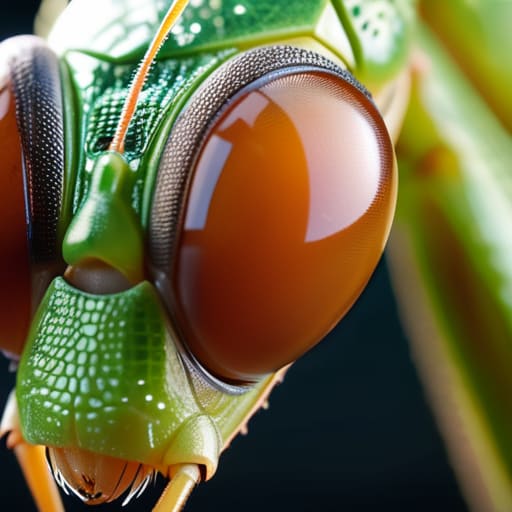
I was knee-deep in a damp hedgerow last Tuesday, trying to keep my clipboard from turning into pulp, when a Bombus terrestris—a common buff-tailed bumblebee—decided to perform a frantic, zig-zagging dance around my head. Most people see that and think it’s just “buggy behavior,” but in that moment, I wasn’t just watching a flight path; I was watching a sophisticated biological data stream in action. We often talk about how insects sense the world as if they’re just tiny, mindless robots bumping into things, but the reality is much more complex than a textbook diagram. They aren’t just reacting; they are processing a constant, overwhelming torrent of chemical, thermal, and visual information that we can barely begin to map.
I’m not here to give you a lecture filled with impenetrable jargon or to scare you with sensationalist headlines about “insect super-intelligence.” Instead, I want to walk you through what the actual survey data tells us about their sensory reality. We’re going to look at the messy, fascinating truth of how these organisms navigate their environments, moving past the hype to understand which sensory cues actually matter for their survival—and why that matters for the gardens we build around them.
Table of Contents
Decoding the Complexity of Insect Sensory Organs Anatomy
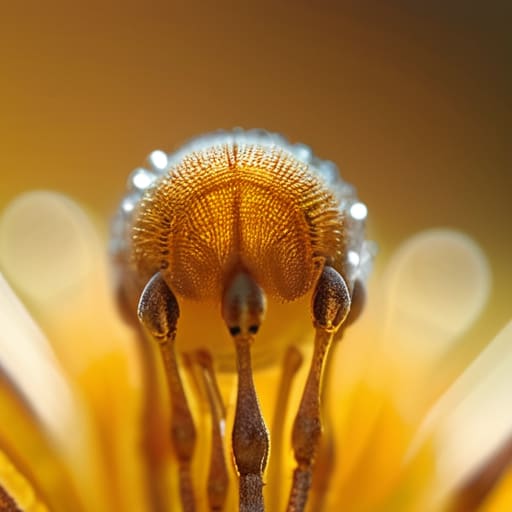
When we talk about insect sensory organs anatomy, it’s easy to fall into the trap of thinking they just have “parts” that work like little human eyes or ears. In reality, it’s much more integrated—and much more specialized—than that. Take the antennae, for example. They aren’t just feelers; they are sophisticated chemical laboratories. Within them, you’ll find thousands of specialized olfactory receptors in bugs that can detect a single molecule of a pheromone or a specific floral scent across a distance that would make a human nose feel useless. It isn’t just about “smelling”; it’s about processing a massive, constant stream of chemical data to decide whether to fly left or right.
The same goes for the physical side of things. We often overlook the role of mechanoreceptors in arthropods, which are often tucked away in tiny hairs called sensilla. These aren’t just for touch; they detect minute changes in air pressure or vibrations in a leaf. It’s a level of tactile sensitivity that allows a moth to sense the very air shifting around it. When you look at the data, you realize they aren’t just reacting to the world; they are constantly filtering a chaotic deluge of information just to stay upright and fed.
Why Insect Vision and Light Perception Is More Than Just Sight
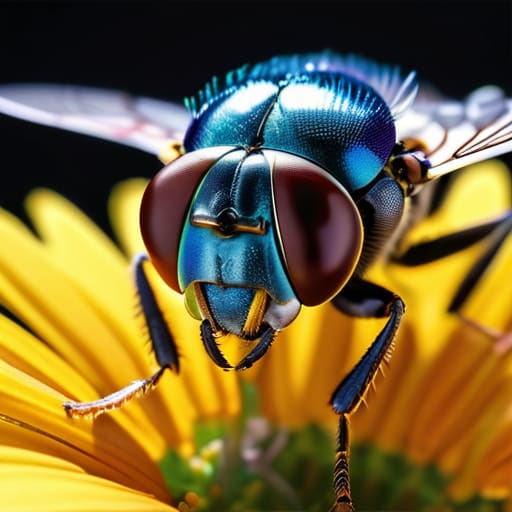
When we talk about insect vision and light perception, the common mistake is to treat it like a high-definition camera lens pointed at a landscape. It isn’t. For a bee or a hoverfly, vision isn’t just about “seeing” a flower; it’s about processing a constant, flickering stream of data regarding movement, polarization, and ultraviolet patterns that are completely invisible to us. They aren’t just looking at the world; they are navigating a specialized map of light intensity and direction.
However, vision doesn’t work in a vacuum. What’s fascinating—and where the field surveys get complicated—is how these visual inputs integrate with other systems. An insect might spot a patch of lavender from meters away using its compound eyes, but it won’t commit to the landing until its olfactory receptors in bugs confirm the chemical signature matches the visual target. It’s a multi-modal handshake. If we only study the eyes, we miss the fact that their perception is a constant, integrated feedback loop between what they see, what they smell, and how they feel the wind against their bodies.
Beyond the Textbook: What Knowing Insect Senses Actually Means for Conservation
- Stop thinking in single dimensions. When we talk about “smell,” we aren’t just talking about a nose; we are talking about a massive, chemical-detecting surface area spread across antennae and even feet. If you want to help a species, you have to understand the specific chemical signals they are hunting for, not just the general “scent” of a flower.
- Respect the “noise” in the data. In my field surveys, I’ve learned that a sudden spike in activity isn’t always a population boom; it can be a shift in wind direction or humidity that makes pheromones easier to track. When you read about insect behavior, always ask what environmental variables might be amplifying their sensory input.
- Don’t assume “more light” is better. While many pollinators are visual, some species are highly sensitive to specific UV spectrums or even polarized light. If we move toward heavy, constant artificial lighting in urban gardens, we aren’t just making things bright; we are effectively blinding the very creatures we’re trying to save.
- Manage the margins, not just the flowers. Sensory landscapes aren’t just about the bloom; they are about the wind corridors and the thermal pockets that allow chemical signals to travel. A manicured, wind-swept lawn is a sensory desert where a moth might never catch the trail of a mate.
- Acknowledge the gaps in our knowledge. We often claim to know exactly how a specific beetle navigates, but the truth is that much of our understanding is based on laboratory models that don’t reflect the messy reality of a hedgerow in a gale. Be skeptical of “certainty” in insect sensory studies—the more nuanced the claim, the more likely it is to hold up in the field.
The Essentials: What We Actually Know About Insect Senses
Sensory systems aren’t just “tools” for survival; they are highly specialized, often overlapping channels where chemical, visual, and tactile data merge to create a reality far more complex than our human-centric models suggest.
We need to move past the idea of “vision” as a simple camera-like function; for many insects, light perception is deeply tied to circadian rhythms and navigation, meaning even subtle changes in light pollution can disrupt entire life cycles.
While we have a solid grasp of basic anatomy, the data on how these signals are processed in real-time is still catching up—we know what the organs are, but we are still mapping out how they actually navigate a changing landscape.
Moving Beyond the Buzzwords
When we strip away the sensationalist headlines, what we’re left with is a sensory landscape that is incredibly sophisticated and, frankly, quite fragile. We have looked at how compound eyes manage more than just basic shapes and how chemical signals act as a complex, invisible language. It isn’t just about “having antennae”; it is about a constant, high-stakes processing of environmental data that allows a tiny organism to navigate a world that is increasingly noisy and chemically cluttered. Understanding that these sensory pathways are integrated systems rather than isolated tools is the first step toward realizing that when we alter a landscape with pesticides or light pollution, we aren’t just removing a habitat—we are effectively blinding the inhabitants.
I know it can feel overwhelming to think about how much we are disrupting these invisible connections, but there is a way to frame this that actually leads to action. If we accept that insects rely on specific, nuanced sensory cues to survive, then our conservation efforts become much more precise. It isn’t about vague “nature friendly” labels; it’s about creating corridors that are dark enough for moths to navigate and chemically clean enough for pollinators to find their way. We don’t need to solve the entire global biodiversity crisis by Tuesday, but we can start by respecting the sensory reality of the small things. If we can learn to see the world more like they do, we might actually stand a chance at preserving it.
