
I was standing in a damp hedgerow in mid-April, shivering in a waterproof jacket that had long since lost its battle with the drizzle, staring at a transect line that looked depressingly empty. A passing hiker stopped to offer their sympathies, assuming the local biodiversity was in a freefall because I hadn’t seen a single pollinator in twenty minutes. It’s the classic mistake: assuming a lack of movement equals a lack of life. In reality, what we’re actually seeing is how nesting seasons restrict activity, forcing species to trade foraging time for the high-stakes work of building homes and guarding larvae. They aren’t gone; they are just busy doing the hard work of being an insect.
I’m not here to give you another alarmist headline or a lecture on why the world is ending. Instead, I want to walk you through what the data actually tells us when we account for these biological rhythms. I’ll explain why your garden might look “dead” in May even when it’s actually teeming with life, and how we can distinguish between a genuine population decline and a simple seasonal shift in visibility. No hype, just the messy, fascinating reality of the field.
Table of Contents
Avian Breeding Season Impact More Than Just Quiet Mornings
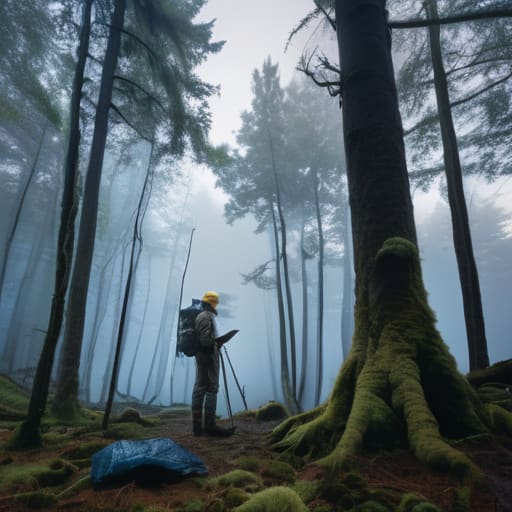
When people think about the avian breeding season impact, they usually picture a quiet meadow or a silent woodland. But for someone like me, out on a transect with a clipboard and a heavy sense of damp, that silence is actually a complex logistical hurdle. It isn’t just that the birds are singing; it’s that their presence dictates exactly how and when we can interact with the landscape. If you’re working on a site that falls under strict wildlife protection regulations, your window for surveying or even moving equipment can shrink to almost nothing.
It’s easy to view these as mere bureaucratic headaches, but they are essential for protecting endangered species nesting sites that are often invisible to the untrained eye. We aren’t just avoiding noise; we are managing the delicate balance of habitat disturbance mitigation. If we trample a patch of scrub or run a heavy mower through a hedgerow during peak nesting, we aren’t just being loud—we are potentially removing the next generation of local fauna before we’ve even had the chance to count them.
The Real Cost of Seasonal Land Use Restrictions
When we talk about seasonal land use restrictions, the conversation usually centers on keeping noise down so birds don’t abandon their clutches. While that is vital, we often overlook the collateral effect on the very insects we are trying to save. When a site enters a period of mandatory inactivity to satisfy wildlife protection regulations, we aren’t just pausing a bulldozer; we are effectively creating a temporal barrier. For a specialist pollinator, a three-month window of “no disturbance” might be the difference between a successful lifecycle and a local extinction, but it can also create a fragmented landscape where connectivity is lost because the timing of human activity doesn’t align with the biological clocks of the invertebrates.
This is where the friction between habitat disturbance mitigation and actual ecological needs gets messy. We often see environmental compliance for construction focus heavily on visible, charismatic nesting species, while the micro-habitats—the scrubby margins and messy hedgerows—remain unmanaged or, conversely, are cleared right after the “protection” window closes. We need to move toward a model where we aren’t just avoiding a single season of disturbance, but instead aligning management cycles with the specific, often invisible, windows of insect vulnerability.
How to stop mistaking a quiet field for a dead one
- Don’t panic when the transect counts drop in May; the surge in nesting activity means birds are more active, and they are incredibly efficient at picking off the very pollinators we are trying to count.
- Look for the “thermal window” rather than the clock; insect activity is more dictated by the specific microclimate of a hedgerow than by the time of day, regardless of when the local robins are most vocal.
- Map your surveys around the “disturbance peak”—if you are walking through a high-density nesting area, you aren’t just observing; you are actively altering the behavior of the insects you’re trying to study.
- Prioritize “refuge monitoring” during peak breeding months, focusing on the dense, undisturbed margins where insects can actually hide from the increased predator pressure of the nesting season.
- Accept the data gaps; if a study says a population is “absent” during a nesting window, check if they actually accounted for the fact that the insects were simply too busy avoiding hungry nestlings to show up on a standard survey.
The Bottom Line for Fieldwork and Conservation
Don’t mistake seasonal inactivity for local extinction; when birds are nesting or temperatures are off, insects aren’t necessarily gone, they’re just temporarily invisible to our current survey methods.
We have to stop designing conservation timelines around human convenience and start aligning our monitoring with the actual biological windows when species are most active and vulnerable.
Effective land management requires looking past the “quiet” periods to understand how seasonal restrictions on human activity actually create the necessary breathing room for species to complete their life cycles.
Beyond the Data Points
When we look at the messy overlap between bird nesting cycles and insect activity, it becomes clear that a “quiet” field isn’t necessarily a dead one. We have to account for the way avian predation and seasonal land-use restrictions create these artificial windows where insect visibility drops off a cliff. It isn’t just a lack of movement; it is a complex, interconnected dance of avoidance and survival that our current survey methods often fail to capture. If we keep treating a seasonal dip in sightings as a permanent population crash, we risk making badly informed conservation decisions that don’t actually address the underlying causes of decline.
Ultimately, my goal isn’t to make you feel like the data is working against us, but to show that the nuance is where the real solutions live. We don’t need more panic; we need more patient, precise observation. If we can learn to look past the immediate silence of a nesting season and understand the rhythms of the hedgerow, we can start making changes that actually matter—like planting the right nectar sources that persist even when the birds are most active. Let’s stop chasing the headlines and start watching the margins with the care they actually deserve.
