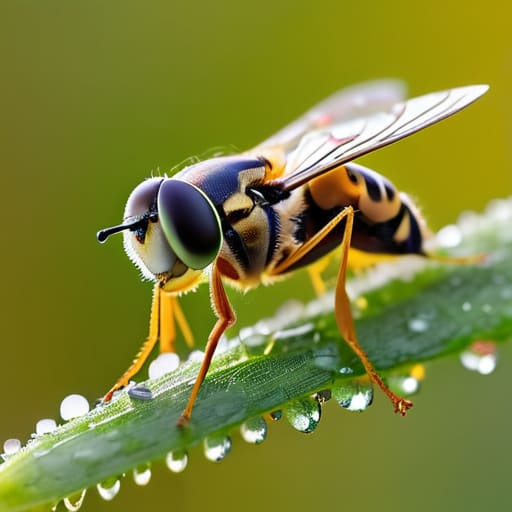
I was waist-deep in a damp, overgrown hedgerow last Tuesday, squinting through a hand lens at a patch of knapweed, when I saw it: a Syrphus ribesii hovering with that frantic, jerky precision that only a syrphid can manage. It’s easy to get swept up in the “save the bees” hysteria, but when people ask me about how hoverflies contribute to pollination, they usually only want to hear about the glamorous, fuzzy honeybee version. We treat these flies like a footnote in the ecology textbooks, an accidental side effect of a garden, rather than the specialised heavy lifters they actually are.
I’m not here to give you another breathless headline about “insect apocalypse” or a list of expensive, boutique wildflower mixes that won’t actually work in your specific soil. Instead, I want to talk about what the transect data actually shows us. I’m going to break down the mechanics of their role, distinguish between the various species that actually matter for your local patch, and explain why managing your field margins is often more effective than buying a pre-packaged seed bomb. No hype, just the actual science of how these tiny, misunderstood flies keep things moving.
Table of Contents
Decoding Syphid Flies Ecological Importance Without the Hype
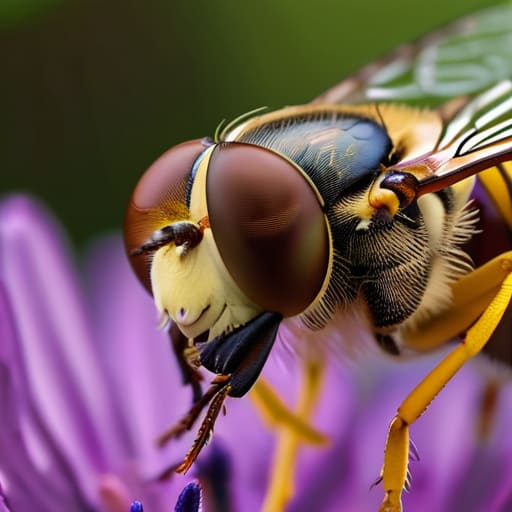
When people talk about syphid flies ecological importance, the conversation usually stops at “they’re like bees, but smaller.” That’s a massive oversimplification that misses the actual mechanics of what they do. While they are certainly active pollinators, their value isn’t just a single-track service. To understand their impact, you have to look at the hoverfly life cycle and ecosystem dynamics; the adults are out there visiting flowers for nectar, but the larvae are often doing the heavy lifting in the soil or on foliage.
In many of the hedgerow margins I survey, the real magic happens in the larval stage. Many species are voracious predators of aphids, providing a level of natural pest control that a headline about “pollinator decline” completely ignores. If we only focus on the adult’s ability to move pollen, we miss the fact that they are also acting as a biological buffer for crops and gardens. It’s not just about the flowers they visit; it’s about the predatory pressure they exert on the pests that would otherwise decimate the very plants we’re trying to protect.
The Real Story of Hoverfly Diet and Foraging Behavior
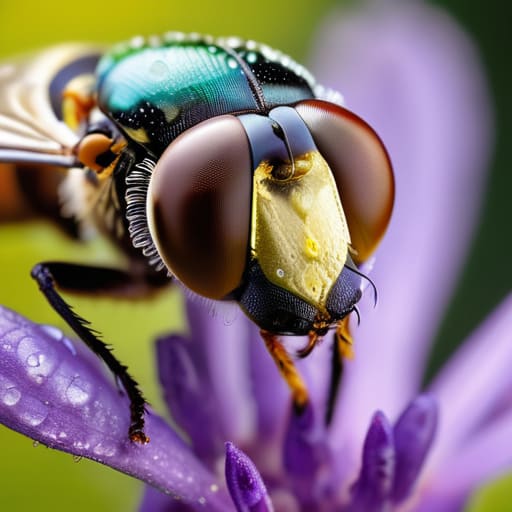
The thing people miss when they talk about hoverflies is that they aren’t just “little bees with wings.” Their diet is actually a bit of a split personality. As adults, most species are nectar and pollen specialists, which is why you see them darting around your lavender or buddleia. But if we want to understand the full scope of hoverfly diet and foraging behavior, we have to look at the larvae. Many species are predatory; they don’t want flowers, they want aphids. This dual role is what makes them such a heavy hitter for natural pest control hoverflies provide—you’re essentially getting a pollination service and a biological control agent in one tiny, hovering package.
However, it isn’t a universal rule. Not every species follows this “best of both worlds” script. Some larvae are saprophagous, living in decaying organic matter, while others are strictly predatory. This nuance is exactly why I get frustrated with broad generalizations. If we want to support them, we can’t just plant one type of flower and call it a day; we need to provide the specific micro-habitats that support their entire life cycle, from the nectar source to the aphid-rich leaves where they actually grow up.
Moving the Needle: Practical Ways to Support Syrphid Pollination
- Prioritize continuous floral availability. It isn’t enough to have a spectacular rose bush that blooms for two weeks in June; hoverflies need a steady “conveyor belt” of nectar and pollen from early spring through to the first frosts to sustain their life cycles.
- Embrace the “messy” margin. If you’re looking to boost hoverfly numbers, stop treating your garden borders like a manicured lawn; leaving some nettles or long grass provides the structural complexity they need for resting and avoiding predators between foraging bouts.
- Plant for diversity, not just color. While we all love a bright petal, different hoverfly species have varying mouthpart lengths; a mix of shallow, open flowers like daisies and slightly deeper ones like knapweed ensures you aren’t accidentally excluding certain species from your local population.
- Reduce the chemical load in your soil and foliage. Even if a pesticide isn’t a direct “kill” agent, sub-lethal exposure can mess with a hoverfly’s ability to navigate or forage efficiently, which ultimately undermines their effectiveness as pollinators in your space.
- Support the larvae, not just the adults. Remember that many hoverfly species have predatory larvae—like those in the Syrphidae family that hunt aphids—so by providing a habitat that supports both the flying adults and their hungry offspring, you’re building a much more resilient ecological loop.
Moving Beyond the Headlines: What to Actually Track
We need to stop treating “pollination” as a monolith; while hoverflies are effective, their impact is highly dependent on specific floral resources and timing, meaning a garden with random blooms isn’t necessarily a functional habitat.
Don’t just count the adults—if we want to understand population stability, we have to look at the larval stage, where many species act as essential predators of aphids rather than just nectar-seekers.
Avoid the trap of “generalist” assumptions; while many Syrphidae are adaptable, specific local species rely on particular microclimates and hedgerow margins that a generic “wildflower mix” might not actually provide.
Moving Beyond the Buzz
To wrap this up, we have to move past the idea that hoverflies are just “accidental” pollinators or minor players in the garden. When we look at the data, it becomes clear that their dual role—as both larvae that can manage pest populations and adults that provide essential nectar services—makes them a cornerstone of a functional ecosystem. It isn’t just about them being present; it is about the specific timing of their emergence matching up with the floral resources available in your local hedgerow or flowerbed. If we want to support them, we can’t just plant a single type of lavender and call it a day; we need to provide a continuous, diverse sequence of blooms that accounts for their specific foraging windows.
Ultimately, conservation shouldn’t feel like a choice between doom-scrolling headlines and reading dense, impenetrable papers. It is much simpler than that: it is about the small, measurable shifts in how we manage our immediate surroundings. Whether you are leaving a patch of nettles in the corner of your garden or advocating for wider, flower-rich margins in local farming, you are participating in something that actually moves the needle. We don’t need to solve the entire global biodiversity crisis by Tuesday, but we can certainly make our own back gardens a little less hostile to the tiny, vital workers that keep our landscapes breathing.
