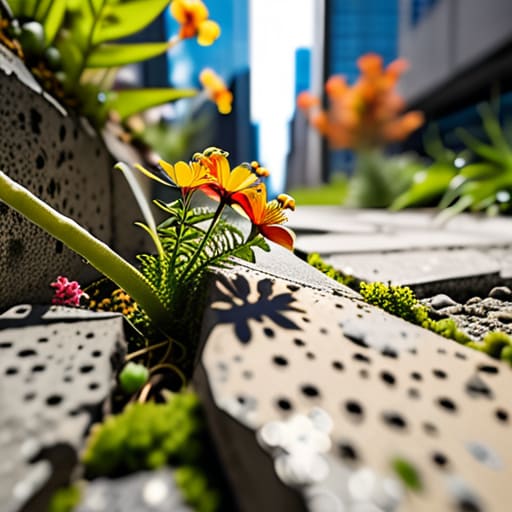
I was standing in a newly “revitalized” community park last Tuesday, squinting through a drizzle to count what I thought would be a decent showing of Bombus terrestris—the buff-tailed bumblebee. Instead, I found myself staring at a sea of manicured, non-native ornamental shrubs that looked lovely in a brochure but were essentially biological deserts for anything with six legs. It’s a recurring frustration: we see headlines claiming that adding more grass and flowerbeds to a city is a win, but we rarely stop to ask how urban green spaces impact local biodiversity in any meaningful way. A patch of bright, imported petunias might look green on a map, but if it doesn’t provide the specific nectar or larval host plants our local specialists need, it’s just expensive landscaping.
I’m not here to give you the polished version you’ll find in a municipal planning report. My goal is to look at the actual survey data and tell you what happens when we move beyond mere aesthetics. We are going to talk about the difference between a “green space” and a functioning habitat, and I’ll show you which specific, small-scale interventions actually move the needle for insect populations.
The Data Gap in Urban Ecosystem Services
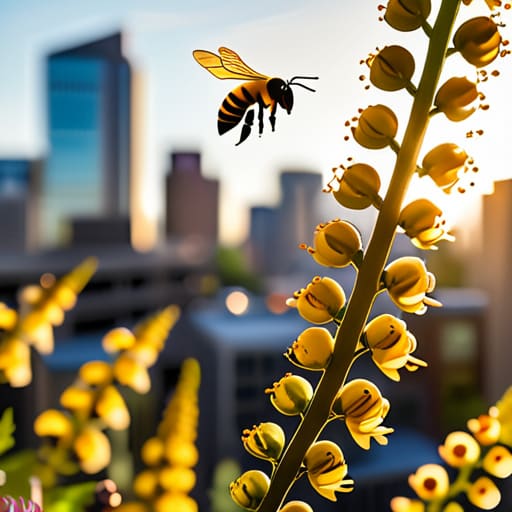
The problem with most urban planning data is that it’s often built on “proxy” metrics. A council might report a 20% increase in canopy cover and call it a win for biodiversity, but that tells us nothing about the actual quality of the habitat. You can have a thousand new trees, but if they are non-native ornamental species that offer zero nectar to a local bee, you haven’t actually created functional pollinator habitats in cities. You’ve just created shade. We often mistake “greenery” for “ecosystem function,” and that distinction is where our data starts to fail.
We also struggle with the scale of measurement. Most studies look at isolated parks—the “islands” of green—rather than the messy, connective tissue between them. We talk about the impact of green infrastructure on fauna, but we rarely quantify the cost of the concrete barriers that separate these patches. Without mapping the fragmentation of urban wildlife corridors, we’re essentially trying to understand a river by looking at a few disconnected puddles. We need to stop measuring just how much green we have, and start measuring how well it actually works.
Why Fragmentation of Urban Wildlife Corridors Matters More Than You Think
When we talk about urban green spaces, there is this persistent, slightly dangerous assumption that a single, isolated park—no matter how lush—is enough to sustain a population. It isn’t. From a surveyor’s perspective, a beautiful botanical garden surrounded by four lanes of heavy traffic and three blocks of concrete is essentially an island. This is where the fragmentation of urban wildlife corridors becomes a massive problem. For a small beetle or a solitary bee, a road isn’t just an inconvenience; it is a biological barrier that can effectively end a lineage by preventing the movement required for genetic diversity.
We often focus on the quality of a single patch, but we neglect the connectivity between them. If we want to support genuine pollinator habitats in cities, we have to stop thinking in terms of “islands of green” and start thinking about the gaps between them. It isn’t just about planting more flowers; it is about whether a ladybird can actually navigate from one garden to the next without getting trapped in a dead-end of tarmac. Without these corridors, even the most well-managed park can become a genetic cul-de-sac.
Moving Beyond "Green" to Actually Functional Habitat
- Stop prioritizing “manicured” over “messy.” A perfectly mown lawn is essentially a biological desert for most of our specialist pollinators. If you want to move the needle on biodiversity, you need to leave the edges alone; those unkept, slightly overgrown patches are where the actual life happens.
- Prioritize native over aesthetic. It’s tempting to plant something exotic because it looks great in a garden catalogue, but if the local insects haven’t evolved alongside that specific plant, they can’t use it. I’ve spent too many transects seeing beautiful flower beds that offer zero nutritional value to our local lepidoptera.
- Think in connectivity, not just patches. A single isolated garden is a lovely gesture, but for many species, it’s an island they can’t reach. We need to focus on “stepping stones”—small, connected pockets of habitat that allow insects to actually move through a city rather than getting trapped in a single postcode.
- Diversify your bloom timing. It isn’t enough to have a burst of life in June and then nothing. A truly functional urban space needs a continuous “floral bridge”—plants that flower in early spring and late autumn—to ensure that a pollinator doesn’t starve the moment the peak summer season ends.
- Value the “unseen” structural layers. We often focus on flowers, but many insects need more than just nectar; they need specific nesting substrates, like hollow stems, dead wood, or bare soil. If your green space is too “clean,” you might have plenty of food but nowhere for the next generation to actually live.
Moving Beyond the Aesthetic
We have to stop treating urban greening as a simple checklist of “more plants equals more life.” As we’ve seen, the data gap in how we measure ecosystem services means we are often flying blind, and the fragmentation of corridors can turn a well-designed park into a beautiful, but ultimately biological dead end. If we aren’t connecting these spaces or ensuring they provide the specific host plants that local specialists actually need, we aren’t building an ecosystem; we are just decorating a concrete landscape. We need to shift our focus from how a green space looks to how it actually functions for the organisms living within it.
This isn’t about despair, though. It is about being more intentional with the ground we actually have. If we move away from the alarmist headlines and start looking at the granular reality of what a single hedgerow or a messy garden border can do, we find that meaningful change is possible. Conservation doesn’t always require a massive national park; sometimes, it just requires us to stop tidying up the margins and start understanding the complex, tiny lives that depend on them. Let’s build cities that are more than just human habitats, but functional, living networks.
If you’re looking to start your own small-scale monitoring, don’t feel like you need a PhD-level kit to make a difference. I usually suggest starting with simple citizen science apps, but if you want to get more specific about what’s actually landing in your garden, checking out local botanical databases can be a game-changer. For instance, if you find yourself fascinated by the more niche or overlooked flora that dictates which pollinators show up, looking into resources like mature naked ladies can help you understand the structural complexity of the plants you’re actually dealing with. It’s about moving past the “pretty flower” stage and starting to see the garden as a functional habitat rather than just a collection of decorations.
