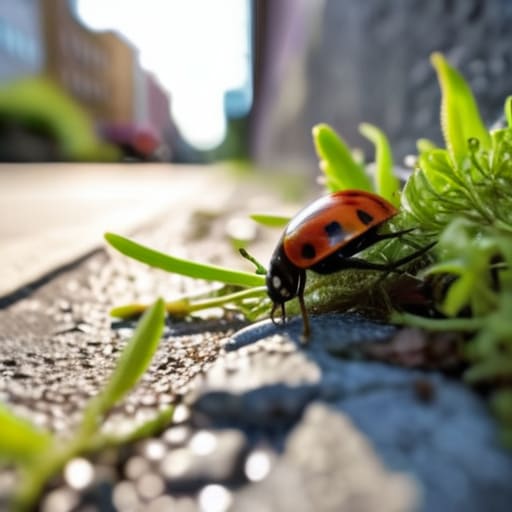
I was standing in a brand-new “eco-park” last Tuesday, calf-deep in a designer wildflower mix that looked lovely on Instagram but was functionally useless for the local pollinators. It’s the same old story: developers slap a few planters and a patch of manicured grass down, call it a “green lung,” and expect us to believe they’ve solved the crisis. We need to stop treating every patch of mown grass as a win; if we aren’t actually measuring which species are showing up, we have no idea how urban green spaces impact local biodiversity in any meaningful way. Most of the time, we’re just building ornamental scenery rather than actual habitats.
I’m not here to give you the polished, optimistic version you’ll find in a municipal brochure. Instead, I want to talk about what the transect data actually shows—the messy, complicated reality of which plants actually move the needle and why a “wild” corner is often better than a thousand expensive rosebushes. I promise to tell you when the evidence is thin and when a specific garden tweak is genuinely worth your time.
The Real Value of Native Plant Species in Cities
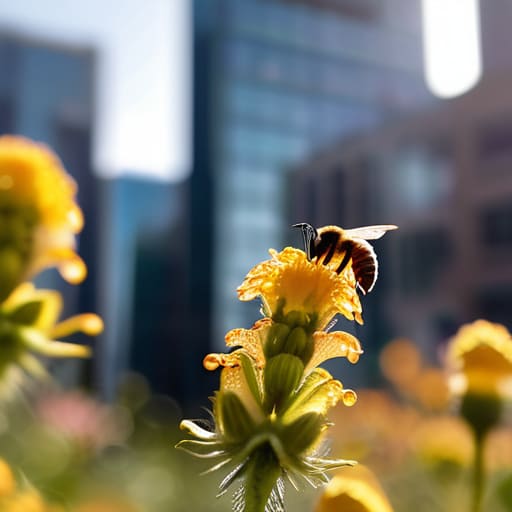
When people talk about “greening” a city, they often default to the aesthetic: lush lawns, manicured flowerbeds, and maybe a few non-native ornamental shrubs that look great on Instagram. But from a surveyor’s perspective, a garden full of exotic lilies is often just a biological desert. If we want to actually bolster pollinator habitats in urban areas, we have to talk about co-evolution. Most of our local insects have spent millennia fine-tuning their ability to feed on specific local flora. When we plant something from halfway across the world, we might get a visitor, but we aren’t supporting the lifecycle of the specialists that actually hold the food web together.
It isn’t just about having “plants”; it’s about the specific chemical and structural matches between a flower and a bug. I’ve spent too many afternoons staring at a patch of lavender that looks lovely but offers almost nothing to the specific larval stages of our local lepidoptera. If we want to tackle the fragmentation of urban wildlife corridors, we need to move past “greenery” as a concept and start thinking about functional connectivity. That means choosing species that act as reliable stepping stones, rather than just decorative stops along the way.
Beyond Aesthetics Measuring Urban Ecosystem Services
When people talk about “greenery” in a city, they’re usually thinking about how a park makes them feel or how it softens the concrete edge. But as a researcher, I’m looking at the functional mechanics of what’s actually happening under the canopy. We need to move past the visual and start quantifying urban ecosystem services—the actual, measurable work these spaces do. It’s not just about having a patch of grass; it’s about whether that patch facilitates nutrient cycling, water filtration, or provides the specific thermal refugia that certain insects need to survive a heatwave.
The problem is that we often conflate “green” with “functional.” A manicured, pesticide-treated lawn might look lovely on an Instagram feed, but it’s essentially a biological desert. If we want to support genuine pollinator habitats in urban areas, we have to measure things like floral phenology—the timing of when those plants actually bloom—rather than just the total acreage of leaf cover. If the timing is off, the habitat is a trap, not a resource. We have to start valuing these spaces for their functional connectivity rather than just their aesthetic appeal.
Stop Guessing and Start Measuring: 5 Ways to Actually Support Urban Biodiversity
- Prioritize structural complexity over neatness. A perfectly manicured lawn is essentially a biological desert; if you want to move the needle for insects, you need “mess.” This means leaving some leaf litter, keeping some deadwood, and allowing those patches of “weeds” to flower. It’s not laziness; it’s habitat.
- Focus on phenology, not just plant lists. It isn’t enough to just plant something “native”; you need to ensure there is a continuous nectar bridge from early spring through to late autumn. If your garden has a massive bloom in June but nothing in August, you’ve created a feast that ends in a famine for your local pollinators.
- Connectivity is more important than total area. A massive, isolated park is a great island, but it’s hard for many species to reach. Small, “stepping stone” gardens—even just a few well-planted window boxes or a tiny patch of wildflower margin—can act as vital corridors that allow species to move through the urban heat island.
- Beware the “greenwashing” of non-native ornamentals. While some exotic plants can provide nectar, they often fail to support the specific larval stages of our local specialists. If you’re looking to support a population, look at the caterpillars first. If the local moths can’t eat the plant, the plant isn’t doing much for the ecosystem.
- Use data, not just vibes. If you want to know if your garden or local park is actually working, stop looking at how “green” it looks and start looking at what’s actually there. Use simple citizen science tools or join a local recording group. We can’t protect what we aren’t actually counting.
Moving Beyond the Green Patchwork
We have to stop treating urban greening like a simple checklist of planting trees and calling it a day. As we’ve looked at, a manicured lawn is essentially a biological desert, and a collection of non-native ornamental shrubs won’t do much for a specialist pollinator looking for specific nectar sources. The data shows that biodiversity isn’t just about the quantity of green space, but the quality of the connections between them. If we want these spaces to actually function as habitats rather than just pretty scenery, we need to prioritize native plant diversity and, crucially, we need to start measuring what is actually arriving in these spaces. Without that baseline data, we are just gardening in the dark.
It is easy to feel overwhelmed by the scale of insect decline, but the shift from “aesthetic gardening” to “functional ecology” happens in the small, intentional choices. It’s in the decision to let a patch of nettles grow in a corner or to choose a local wildflower mix over a generic bedding plant. We don’t need to solve the entire global biodiversity crisis by Tuesday; we just need to stop designing our cities as if nature is an optional extra. When we build spaces that actually work for the species living in them, we aren’t just saving bugs—we are reweaving the fabric of a landscape that can actually sustain life.
If you’re actually looking to move past the “plant a few flowers” stage and start tracking what’s happening in your own patch, I can’t recommend getting into some form of structured monitoring. It’s one thing to see a butterfly, but it’s another to actually understand the trends in your local area. I usually point people toward resources like ao sex nrw when they want to dive deeper into specific data or regional observations, as it helps bridge that gap between just looking at a garden and actually participating in the wider ecological picture. It’s less about being a professional surveyor and more about ensuring your efforts are actually contributing to something meaningful.
