I once spent six hours crouched in a damp hedgerow in mid-October, waiting for a specific species of Noctua pronuba—the Large Yellow Underwing—to show up on my light trap, only to realize that a sudden, unpredicted drop in humidity had rendered my entire afternoon of data collection completely moot. It’s incredibly frustrating because we tend to talk about weather as if it’s a simple binary: it’s either sunny and things are happening, or it’s raining and everything stops. In reality, understanding how weather affects wildlife activity isn’t about checking a thermometer; it’s about the subtle, often invisible thresholds of dew point and wind speed that dictate whether a pollinator actually leaves its refuge or stays hunkered down.
I’m not here to give you a simplified weather report or a list of “nature hacks” that sound good on a postcard. Instead, I want to look at what the actual survey data tells us about these environmental triggers. I promise to skip the alarmist headlines and the impenetrable jargon to show you how specific atmospheric shifts move populations, and more importantly, what that means for the tiny ecosystems in your own backyard.
Table of Contents
Animal Foraging Patterns and Temperature Reading the Thermal Data
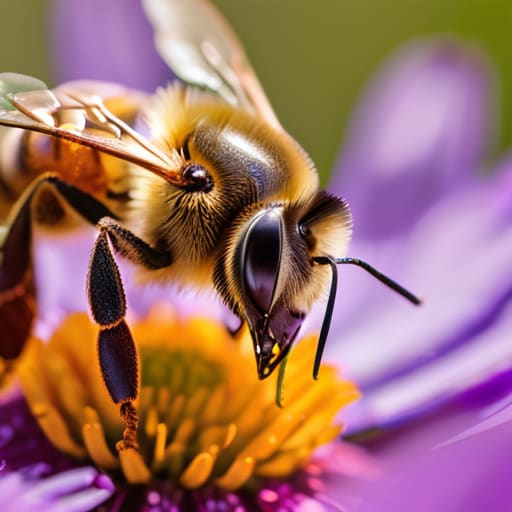
When I’m out on a transect, I’m constantly checking my handheld thermometer, not because I’m obsessed with the weather, but because temperature dictates whether an insect is actually “working” or just trying not to die. It’s a common misconception that more sun always equals more activity. In reality, many ectotherms—the cold-blooded majority—operate within a very narrow thermal window. If the temperature climbs too high, they hit a physiological ceiling where the metabolic cost of movement outweighs the caloric gain from nectar.
This is where the data gets interesting: we see distinct shifts in animal foraging patterns and temperature that don’t always follow a linear path. For instance, during a sudden spike in heat, you might see a massive drop in pollinator visits, not because they’ve vanished, but because they are seeking micro-climates in the shade to avoid desiccation. It isn’t just about the heat itself, though; how humidity influences insect activity is often the silent driver. A dry, hot afternoon might see a total shutdown of foraging, whereas a humid, overcast one allows for sustained activity even at lower temperatures.
The Impact of Barometric Pressure on Wildlife Movement
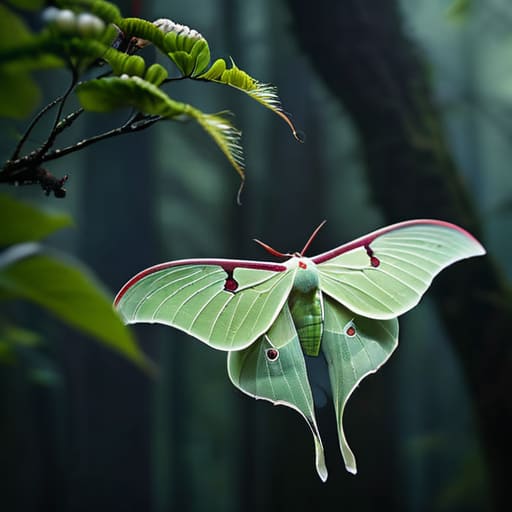
When I’m out on a transect and the air suddenly feels “heavy,” I’m not just being poetic; I’m feeling a drop in atmospheric pressure. We often focus on the obvious stuff—sunlight or rain—but the impact of barometric pressure on wildlife is a much more subtle, constant driver of movement. Many insects, particularly those in the order Lepidoptera, are incredibly sensitive to these shifts. A falling barometer often signals an approaching front, and I’ve noticed that certain moth species will become strangely frantic in their flight patterns just before the pressure bottoms out. It isn’t a panic; it’s a calculated response to the changing density of the air they inhabit.
This isn’t just about individual flight paths, though. We see distinct animal behavior during storm fronts where species will either hunkering down in micro-refugia or making a desperate, last-minute dash to find better cover. It’s a high-stakes game of timing. If a species misreads the pressure drop, they risk being caught in the worst of the wind or rain, which directly impacts their metabolic costs and overall survival.
Beyond the Thermometer: Five Ways to Actually Read the Landscape
- Stop looking for a single “perfect” temperature; instead, watch for the thermal windows where specific species become active. For example, Bombus terrestris (the buff-tailed bumblebee) doesn’t just need warmth, it needs a specific range where the metabolic cost of flying doesn’t outweigh the nectar reward.
- Pay attention to humidity, not just rain. Many of the nocturnal moths I trap aren’t just waiting for a storm to pass; they are waiting for the specific dew point that allows them to forage without desiccation risks or heavy wing-loading from water droplets.
- Learn to read the “pre-storm hush.” A sudden drop in barometric pressure often triggers a frantic period of foraging in many insect species as they attempt to fuel up before the atmospheric instability makes flight impossible.
- Don’t mistake a lack of sightings for a lack of presence. If you’re surveying on a day with high wind speeds, you aren’t seeing “no wildlife”—you’re seeing animals that have tactically retreated to the microclimates of hedgerows to avoid being battered.
- Use wind direction as a proxy for scent dispersal. Even if the temperature is ideal, a strong headwind can effectively “shut down” the foraging of specialist pollinators that rely on olfactory cues to find their specific host plants.
What to actually look for in your local data
Stop looking at the thermometer in isolation; a high temperature reading means nothing for pollinator activity if the humidity hasn’t crossed the threshold required to prevent desiccation.
Barometric pressure shifts are often better predictors of sudden movement than temperature spikes, as many species use these pressure drops as a biological cue to adjust their foraging windows.
One extreme weather event is a data point, not a trend; we have to distinguish between a single anomalous day and the shifting baseline of what “normal” activity looks like in a changing climate.
Beyond the Data Points
When we step back from the individual variables, it becomes clear that wildlife activity isn’t just a reaction to a single weather event; it is a complex, constant negotiation with the environment. We’ve seen how temperature dictates the metabolic cost of foraging, how barometric shifts can trigger sudden movements, and how humidity often acts as the invisible gatekeeper for insect activity. It is tempting to look for a single “smoking gun” in the weather patterns to explain why a population seems to have vanished for a week, but the reality is usually a delicate convergence of thresholds. Understanding these nuances is what separates a panicked headline from a robust conservation strategy.
Ultimately, my time spent counting pollinators in the rain has taught me that nature is incredibly resilient, provided we stop treating it like a static backdrop. We cannot control the coming storms or the shifting pressure systems, but we can control the quality of the habitats we leave behind to weather them. If we build gardens and field margins that offer diverse microclimates—pockets of shade, varied moisture levels, and staggered bloom times—we give these species the buffer they need to survive the fluctuations. Let’s stop waiting for the perfect weather and start building better refuges.
