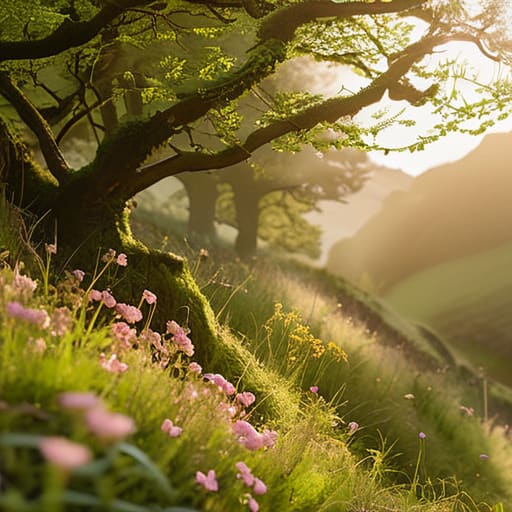
I spent three summers standing in waist-deep brambles, soaked to the bone and shivering, just to record the movement of Bombus terrestris—the buff-tailed bumblebee—along a single two-hundred-meter stretch. If those years of fieldwork taught me anything, it’s that most “complete guide to hedgerows” you find online are essentially just glorified gardening checklists that ignore how these strips actually function as biological corridors. You’ll see plenty of advice about planting a neat row of privet and calling it a day, but a manicured, single-species line is often little more than a green desert for the very insects we’re trying to save.
I’m not here to sell you a lifestyle aesthetic or a list of expensive nursery plants that won’t actually survive a local frost. Instead, I want to talk about what a real, functioning hedge looks like from a surveyor’s perspective: the messy, multi-layered, and often “unruly” structures that actually move the needle on biodiversity. This is my attempt at a no-nonsense guide to hedgerows that prioritizes ecological connectivity over curb appeal, focusing on the specific species and management habits that turn a simple boundary into a living lifeline.
Table of Contents
Beyond the Hype Real Ecological Benefits of Hedgerows
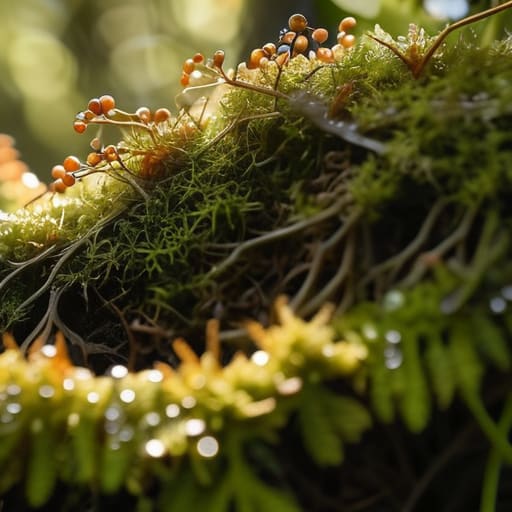
When you read the headlines, hedgerows are often presented as magical, all-encompassing solutions for the insect crisis. In reality, they aren’t just “green walls”; they function as sophisticated, multi-layered habitats. While many people focus on the visual aspect, the true value lies in the complex architecture of the hedge itself. A dense, varied structure provides more than just a windbreak; it offers critical microclimates that protect smaller organisms from temperature swings and desiccation. This is where we see the real ecological benefits of hedgerows—not just as a static line on a map, but as a dynamic, living buffer that supports life through the extremes.
However, we need to be careful about how we define success. A single row of non-native laurel might look “green,” but it’s essentially a biological desert for most of our local specialists. If we want to actually support wildlife corridors and biodiversity, we have to look at the specific host plants tucked inside that structure. A hedge only works if it offers a continuous food supply. If the flowering periods don’t overlap, you’ve created a feast that lasts for a week and then leaves your pollinators starving for the rest of the season.
Native Shrub Species for Hedges That Actually Matter
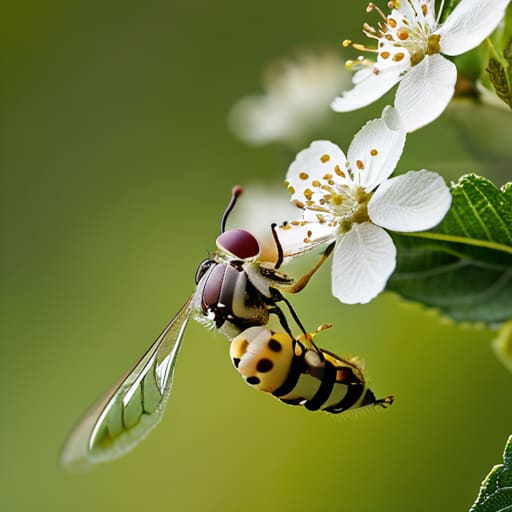
If you’re heading to a garden centre, please, for the love of everything, resist the urge to buy a “mixed shrub” pack that is mostly non-native ornamental nonsense. To actually support wildlife corridors and biodiversity, you need plants that have co-evolved with our local insects. Take Crataegus monogyna, or Common Hawthorn, for example. It isn’t just a filler plant; it is a powerhouse. It provides massive amounts of nectar for hoverflies and serves as a critical host plant for various moth larvae. If you want to move the needle on local populations, you need to prioritize these heavy hitters over something pretty but ecologically sterile like a Laurel.
Then there is Prunus spinosa, the Blackthorn. It’s often maligned because it’s prickly and a bit of a nuisance when it gets out of hand, but it is absolutely essential for early-season pollinators. It provides one of the first reliable food sources when the weather finally decides to cooperate in spring. When you’re considering native shrub species for hedges, think about the timeline of a year, not just a single month. You aren’t just planting a barrier; you’re building a continuous, blooming buffet.
Stop Treating Your Hedge Like a Barrier: 5 Ways to Make it a Habitat
- Prioritize structural complexity over a neat line. A perfectly manicured, flat-faced hedge is basically a biological desert; you want the messy, tangled bits because that’s where the nesting sites and overwintering spots actually live.
- Think about the phenology, not just the flowers. It’s easy to plant something that looks pretty in June, but if your hedge doesn’t provide nectar in those awkward, hungry gaps in early spring or late autumn, you’re leaving your local pollinators stranded.
- Leave the leaf litter alone. I know, it looks untidy, but that layer of decaying organic matter at the base of the hedge is a crucial microhabitat for ground beetles and larvae that the “neat garden” aesthetic completely ignores.
- Avoid the “monoculture trap” with non-native evergreens. Planting a solid wall of Leylandii might give you privacy, but it provides almost zero nutritional value for specialist insects, making it a massive dead zone in your local landscape.
- Connect the dots, literally. A single, isolated hedge is just a lonely island; for these populations to be resilient, you need to aim for connectivity, linking your garden or field margin to the next patch of semi-natural habitat to allow for actual movement.
The Bottom Line: Moving from 'Greenery' to Functional Habitat
Stop treating hedgerows as mere boundaries; they are complex, three-dimensional corridors. A thick, messy hedge with a diverse base of native shrubs provides the structural shelter and continuous nectar flow that a neat, manicured line of privet simply cannot.
Prioritize “connectivity” over “coverage.” It is far better to have a continuous, species-rich hedge that allows a beetle or a bee to move safely through a landscape than to have a series of isolated, high-quality “islands” that insects can’t actually reach.
Accept that there is no “magic bullet” species. While certain plants are heavy hitters for specific pollinators, the real resilience comes from a staggered bloom calendar—ensuring that when one species finishes flowering, another is ready to take its place so the food supply doesn’t drop off a cliff.
Moving From Theory to the Field
At the end of the day, a successful hedgerow isn’t just a decorative boundary; it is a functional, messy, and highly specific biological corridor. We have looked at why the structure matters, why we need to prioritize native species like Crataegus monogyna (Common Hawthorn) over non-native ornamentals, and why a “set it and forget it” approach usually fails the very insects we are trying to save. If you want to make a difference, you have to move past the idea of a tidy garden border and embrace a bit of intentional disorder. It is about creating a continuous, nectar-rich, and structurally diverse habitat that actually functions as a lifeline rather than just a green wall.
I know it can feel overwhelming when you see the latest data on pollinator decline, but please don’t let the scale of the problem paralyze you. Conservation doesn’t always require a massive landscape intervention; sometimes, it just requires a single, well-planned strip of margin that connects one garden to the next. We aren’t looking for miracles, just incremental, evidence-based improvements that allow these populations to breathe. If we can stop treating our landscapes like manicured museum pieces and start treating them like living systems, we might actually give these species the room they need to persist.
