I spent three years of my life counting bumblebees on transects in the pouring rain, and if those soggy mornings taught me anything, it’s that most advice found in a “complete guide to wildlife gardening” is either wildly expensive or scientifically hollow. You don’t need a thousand-pound bespoke pond or a curated collection of rare, imported perennials to make a difference. Most of the glossy magazines make it seem like you need a landscape architect to save the planet, but in reality, nature is much less picky than a garden center catalogue suggests.
I’m not here to sell you a lifestyle or a specific brand of organic mulch. Instead, I want to give you a no-nonsense framework for what actually works based on what the surveys are telling us. We’re going to look at the small, messy, and often overlooked changes—like how you manage your soil or why that “messy” patch of nettles is actually a biological powerhouse—that genuinely move the needle for local populations. I’ll tell you when the science is solid and when we’re just guessing, so you can stop worrying about the headlines and start growing something that actually matters.
Table of Contents
Moving Past Trends With Wildlife Garden Design Principles
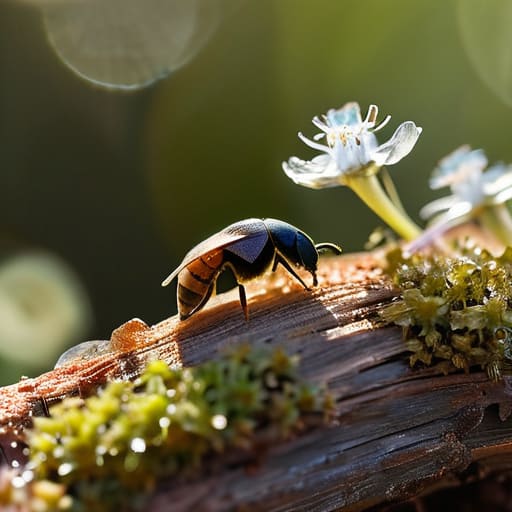
When you look at Instagram or Pinterest, “wildlife gardening” usually looks like a curated, aesthetic mess of wildflowers in a wooden trough. It’s pretty, but it’s often a bit of a performance. If we want to talk about real beneficial insect conservation, we have to move past the trend of “making it look wild” and start thinking about structural complexity. A garden isn’t just a collection of pretty flowers; it’s a series of interconnected micro-habitats. You need the messy stuff—the dead wood, the hollow stems, and the unmanicured edges—because that is where the life cycle actually happens.
Effective wildlife garden design principles rely more on timing and architecture than on just picking the brightest blooms. It’s not enough to just plant a few native plant species for pollinators and call it a day; you need to ensure there is a continuous resource bridge from the first thaw of spring to the final frosts of autumn. If your garden is a nectar buffet in June but a desert in October, you aren’t supporting a population; you’re just hosting a very brief, very intense party. We need to design for the long haul, focusing on the gaps in the calendar where the most vulnerable species usually struggle.
Why Native Plant Species for Pollinators Actually Matter
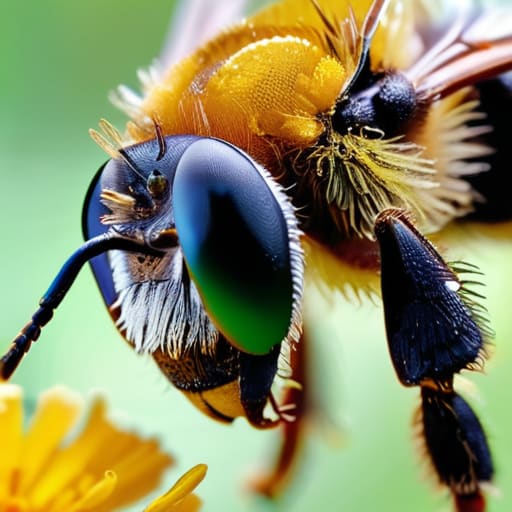
We need to talk about the “native vs. non-native” debate, because it’s often presented as a black-and-white moral crusade, when the reality is a bit more nuanced. When I’m out on a transect, I’m looking for specific evolutionary handshakes. A specialist pollinator, like certain species of Andrena (mining bees), has spent millennia evolving alongside specific local flora. If those plants aren’t there, the bee isn’t just “unhappy”—it’s effectively starving. This is why focusing on native plant species for pollinators isn’t about being a botanical snob; it’s about ensuring the caloric energy available in your garden actually matches the biological needs of the insects living there.
That said, I’m not going to tell you to rip out your entire rose garden. Not every exotic plant is a biological desert, but if you want to move the needle on beneficial insect conservation, you have to prioritize the locals. Think of it as building a menu: if you only serve imported delicacies that no one in the neighborhood can digest, you aren’t actually running a restaurant; you’re just running a museum. To truly support local biodiversity, we need to provide the foundational food sources that have been part of this landscape since before we started paving it.
Stop Aiming for Perfection: Five Ways to Actually Build a Habitat
- Taraxacum officinale, or more commonly, the dandelion. Stop seeing these as lawn invaders and start seeing them as a critical early-season buffet. If you mow your entire garden every Saturday morning, you are effectively removing the first available nectar source for queen bumblebees emerging from hibernation. Leave a patch of “weeds” to bloom; it’s better than any expensive seed mix you can buy.
- Create “structural complexity” by layering. In my field surveys, I rarely find high insect diversity in a flat, manicured lawn. You need verticality: ground cover, low shrubs, and taller canopy. This isn’t just about aesthetics; it provides different microclimates. A beetle that needs damp, shaded soil shouldn’t have to trek across a sun-baked expanse of short grass to find a leaf to hide under.
- The “messy corner” strategy. I know, it feels like you’re failing at gardening, but a pile of fallen leaves or a dead wood stack is essentially a high-rise apartment for solitary bees and various larval stages. Most of the “insect collapse” we talk about is actually just a lack of places for insects to complete their life cycles. If you tidy up every twig, you’re tidying away the next generation.
- Water, but make it accessible. A birdbath is fine, but a shallow, muddy puddle or a stone with a slight depression filled with water is better for insects. Many of the species I track need to land on something stable to drink without drowning. A simple saucer with some pebbles in it can turn a dry patio into a vital hydration station during a heatwave.
- Rethink your “dead” space. That strip of bare earth between your fence and the hedge? That’s a corridor. In ecology, we talk about connectivity—the ability for a species to move from one patch of habitat to another without being exposed. Don’t pave over every inch of your garden; leave some unmanicured edges to act as a highway for the small things moving through your neighborhood.
What to actually do when you step outside
Stop aiming for a “perfect” garden and start aiming for messiness; a patch of unmanaged soil or a few clumps of nettles (Urtica dioica) are worth more to local biodiversity than a pristine, manicured lawn.
Prioritize plant diversity over single-species “pollinator mixes,” because different insects have different tongue lengths and nutritional needs that a one-size-fits-all seed packet can’t meet.
Focus on structural complexity rather than just flower count, ensuring you have layers—ground cover, shrubs, and canopy—to provide the actual refuge and nesting sites that insects need to survive the night.
Beyond the Garden Fence
We’ve covered a lot of ground, from the structural necessity of native plant species to the design principles that turn a decorative patch of grass into a functioning ecosystem. The takeaway isn’t that you need to transform your entire property into a wild meadow overnight. It’s about understanding that connectivity matters more than perfection. If you prioritize native flora and create those small, messy pockets of habitat we discussed, you aren’t just planting flowers; you are building a bridge. Whether it’s a single pot of nectar-rich lavender on a balcony or a managed hedgerow, you are contributing to a larger, measurable network that helps local populations persist.
I know the data can feel heavy sometimes, and the scale of what we’re losing feels impossible to tackle between work and life. But ecology isn’t just about the massive, global trends; it’s about the specific, local reality of what happens in your soil. When you stop trying to curate a “perfect” garden and start allowing for a bit of controlled chaos, you see the results in the very first survey you do. Don’t wait for a massive policy shift to feel like you’re making a difference. Just start counting what turns up, and you’ll realize that even the smallest patch of weeds is a victory.
