I was knee-deep in a damp, bramble-choked ditch in mid-October, shivering because my waterproofs had failed me for the third time that week, when I realized something about the way we talk about ecology. I was looking for a specific beetle, but all I could find were the frantic, panicked headlines about “biological invasions” that make it sound like every new plant or insect is a marauding army. Most people searching for a complete guide to invasive species are looking for a way to save their garden from an apocalypse, but they usually end up with a list of expensive, chemical-heavy “solutions” that do more harm than good. It’s exhausting to watch the nuance get lost in the rush to declare war on everything that isn’t native.
I’m not here to sell you a miracle spray or feed into the doom-scrolling cycle. Instead, I want to give you a grounded, evidence-led look at what an invasive species actually is—and, more importantly, what it isn’t. We are going to look at the actual data behind the most common culprits, distinguish between a “nuisance” and a true ecological threat, and discuss which small, intentional changes to your local patch can actually support biodiversity without causing a panic.
Table of Contents
Decoding the Ecological Impact of Invasive Organisms
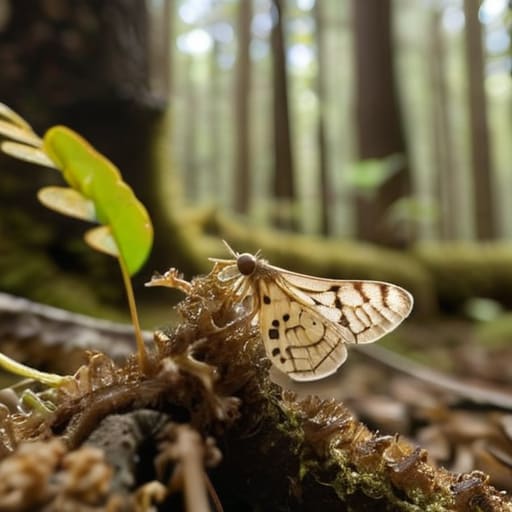
When we talk about the ecological impact of invasive organisms, the conversation usually defaults to “this new bug is eating everything.” While that’s sometimes true, the reality is more about the subtle, messy ways a new arrival rewires a local food web. It’s rarely a single catastrophic event; instead, it’s a slow-motion shift in how energy moves through a landscape. A classic example is the Lymantria dispar, or spongy moth. When they establish a foothold, they don’t just eat leaves; they fundamentally alter the nutrient cycling in the soil and change the light levels reaching the forest floor, which can trigger a cascade of biodiversity loss and ecosystem disruption that we might not even notice until the native specialist insects have already vanished.
The real difficulty in field surveys is distinguishing between a simple non-native species introduction—like a garden plant that just happens to be there—and a true invader that actively displaces its neighbors. A plant might be “new,” but if the local pollinators are still using it and the local herbivores aren’t being choked out, the system is holding. True invasion is about the loss of niche space. We need to look past the initial shock of a new species and measure how much of the original ecological “instruction manual” is being rewritten.
Native vs Invasive Species Comparison What the Data Shows
When I’m out on a transect, the distinction between a “native” and an “invasive” species isn’t always as black-and-white as a textbook makes it out to be. In a lab, it’s easy to categorize them, but in the field, we’re looking at complex webs of interaction. A native vs invasive species comparison isn’t just about where a bug was born; it’s about the role it plays in the local energy cycle. Native species have spent millennia co-evolving with their neighbors, building these intricate, reliable relationships with specific plants and predators.
Invasive species, however, often arrive as “ecological wildcards.” Because they frequently lack the specialized predators that kept them in check back home, they can trigger rapid biodiversity loss and ecosystem disruption by outcompeting the locals for space or food. I’ve seen it in my own moth traps: a sudden influx of a non-native plant can change the entire community composition of a hedgerow in just a few seasons. It’s not always a sudden massacre; it’s often a slow, quiet displacement that we only notice once the data shows the original residents have vanished.
Beyond the Panic: How to Actually Approach an Invasive Species
- Stop looking for “villains” and start looking at the ecosystem. Rhododendron ponticum isn’t inherently evil, but when it enters a woodland it hasn’t evolved with, it creates a monoculture that chokes out the ground flora. We need to focus on the displacement of niche specialists, not just the presence of a new plant.
- Verify the “invasive” label before you start a war in your garden. A lot of what people call invasive is actually just a plant that’s particularly good at growing in disturbed soil. Check the local authority lists or the BSBI records first; you don’t want to spend your weekend pulling out a rare native just because a Facebook group called it a pest.
- Understand that “eradication” is a massive word that we rarely actually achieve. In most field surveys, we aren’t talking about wiping a species off the face of the earth—which is statistically near-impossible once a population is established—but about “containment” and “suppression” to give native species a fighting chance.
- Prioritise the “high-impact” players. Not every non-native species is a threat to biodiversity. Some are just garden escapes that live quietly in the background. Focus your energy and your reporting on the species that actually alter nutrient cycles or outcompete key pollinators.
- Document, don’t just destroy. If you find something suspicious, take a clear photo of the diagnostic features—the leaf arrangement, the flower structure, the way it attaches to the stem—and log it. Citizen science data is the only way we can map the spread of these species in real-time, and a single photo can be more useful than a thousand panicked removals.
The Bottom Line: Moving Beyond the Panic
Stop treating every new bug sighting like an ecological apocalypse; we need to distinguish between a species that is simply present and one that is actively displacing the local specialists that actually hold our ecosystems together.
Focus your energy on the data, not the headlines, because “invasive” is a specific ecological status based on impact, not just a label we use for anything that looks unfamiliar or “un-British.”
Effective management requires precision rather than broad-brush panic, meaning we should prioritize protecting the niche habitats that native species rely on instead of just trying to eradicate every non-native visitor we see.
Moving Beyond the Panic
If there is one thing I want you to take away from this, it is that invasive species aren’t just “villains” in a nature documentary; they are complex biological shifts that require a nuanced response. We have looked at how they outcompete our local specialists and what the survey data actually tells us about the difference between a species being “new” and a species being “destructive.” While it is tempting to want a quick fix or a single eradication method, the reality is that managing these populations requires long-term monitoring and a deep understanding of the specific niche they are occupying. We shouldn’t be making sweeping, unscientific decisions based on a single bad sighting, but we also cannot afford to ignore the measurable shifts in biodiversity that occur when a non-native species takes hold in a fragile hedgerow or garden.
Ultimately, conservation isn’t about creating a static museum of what used to be; it is about supporting the resilience of the ecosystems we have left. Instead of letting the fear of “invaders” paralyze you, focus on what you can actually control: strengthening your local habitat. By planting a diverse range of native flora and creating those messy, unmanicured margins that insects actually need, you are building a biological buffer. When we prioritize ecological integrity over aesthetic perfection, we give our native species the best possible fighting chance to coexist in a changing world. Real conservation happens in the dirt, one transect and one garden at a time.
