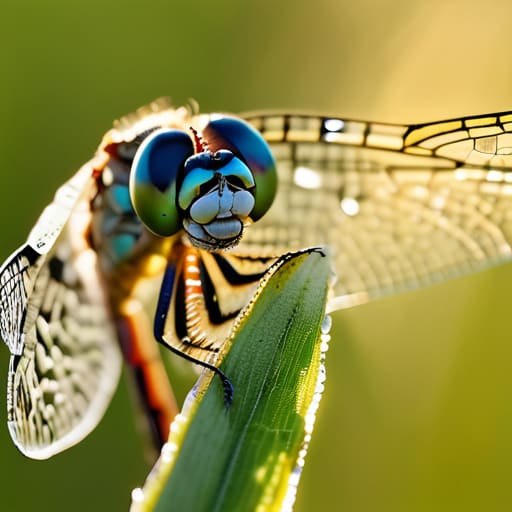
I once spent six hours crouched in a damp hedgerow near Leicester, squinting through a hand lens at a single, struggling Bombus terrestris—the buff-tailed bumblebee—only to realize the local news was running a segment claiming a single new chemical had wiped out every bee in the county. It was infuriating. People want a complete guide to pesticides and wildlife that functions like a horror movie script, but the reality is much more nuanced and, frankly, much more frustrating. We don’t need more sweeping, terrifying generalizations that make you want to give up on gardening entirely; we need to understand how specific substances actually interact with the organisms we are trying to protect.
I am not here to sell you a panic or a miracle cure. Instead, I’m going to give you the actual data stripped of the academic jargon and the tabloid hysteria. We will look at which chemical classes are truly driving population declines and which “eco-friendly” labels are nothing more than clever marketing. This is a promise to stick to what the surveys actually show, even when the evidence is thin, so you can make informed, evidence-led decisions for your own patch of earth.
Table of Contents
The Real Environmental Impact of Insecticides on Local Food Webs
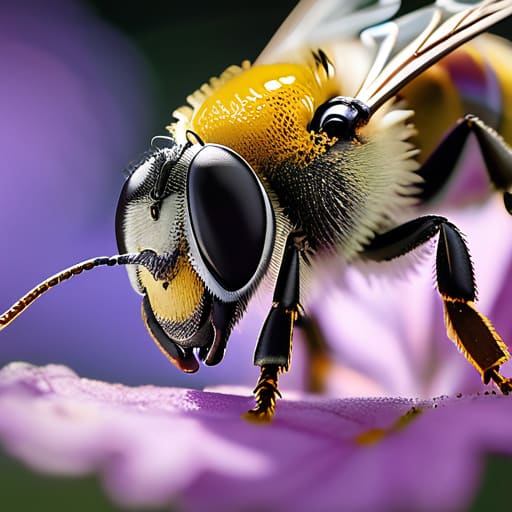
When we talk about the environmental impact of insecticides, the conversation usually stops at the “target” pest. If a farmer sprays to kill aphids, the headline says the aphids are gone. But in my field surveys, I’m looking at what happens when that spray hits the hedgerow margin. We aren’t just seeing fewer aphids; we are seeing a collapse in the secondary layers of the food web. This is where non-target species toxicity becomes a massive, messy reality. When a neonicotinoid or a similar systemic chemical lingers in the nectar of a wildflower, it doesn’t just “miss” the pest; it hits the hoverflies, the solitary bees, and the parasitoid wasps that were supposed to be the natural checks and balances of that system.
It isn’t just about a single bug dying; it’s about the interconnectedness of the whole chain. If you remove the small, “unimportant” insects through chemical runoff, you’re essentially pulling threads out of a sweater. The birds that rely on those specific larvae during nesting season find an empty pantry, and suddenly, the biodiversity loss isn’t just an insect problem—it’s an entire landscape problem. We have to stop viewing pesticides as a surgical strike and start seeing them as a blunt instrument that reshapes the entire local ecosystem.
Deciphering Non Target Species Toxicity in Your Backyard
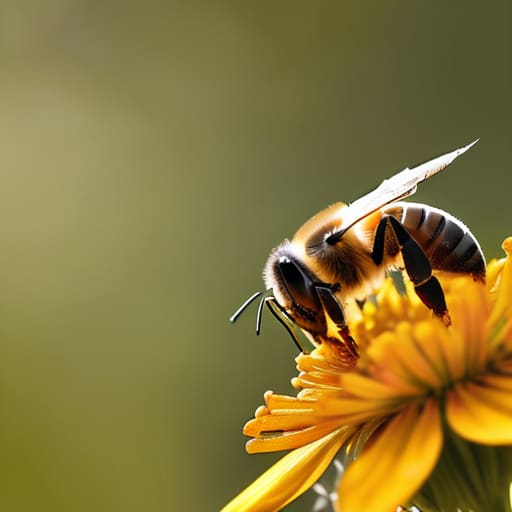
When we talk about non-target species toxicity, the conversation usually drifts toward “killing everything in the garden,” which is both hyperbolic and scientifically unhelpful. In my fieldwork, the reality is more nuanced and, frankly, more frustrating. It isn’t always about an immediate, visible die-off; it’s about the subtle, sub-lethal effects that compromise a species’ ability to function. For example, a neonicotinoid might not drop a bee dead on your patio, but it can disrupt its navigation, making it unable to find its way back to the hive. This is where the true biodiversity loss and pesticide use connection lies—it’s a slow thinning of the ranks rather than a sudden explosion of carcasses.
I often see people trying to manage their gardens by treating every pest as an isolated problem, but we have to account for the impact of chemical runoff on ecosystems that extends far beyond the flowerbed. If you spray a perimeter, that chemical doesn’t respect your property line; it leaches into the soil and moves into the hedgerows where the real specialists live. We need to move toward sustainable pest management for habitats that recognizes your garden isn’t an island, but a single node in a very fragile, very connected web.
Beyond the Spray: Five Ways to Actually Manage Your Patch
- Stop aiming for a “perfect” lawn. If you’re obsessing over every dandelion or clover patch, you’re essentially deleting the buffet for the very pollinators we’re trying to save. A little bit of “mess” is actually just high-quality habitat.
- Read the fine print on “selective” pesticides. Even when a product claims to target a specific pest, the reality of how chemicals drift in the wind or leach into the soil means your non-target species—the ones you actually want around—are rarely as safe as the label suggests.
- Prioritize systemic over contact sprays. I’ve spent too many afternoons looking at wilted flowers that were poisoned from the inside out. Systemic chemicals stay in the plant tissue, meaning every time a bee takes a sip of nectar, they’re ingesting the dose. It’s much harder to avoid than a surface spray.
- Timing is everything, but even then, it’s tricky. If you must use a treatment, do it when nothing is actively foraging, but remember that many of these compounds have residual effects that linger long after the “active” window has closed.
- Focus on the edges. If you have a garden, look at your borders and hedgerows. This is where the most intense chemical runoff happens, and it’s also where the most critical life cycles—like those of our solitary bees—actually take place. Managing the margins is more effective than managing the middle.
What to actually look for in your own patch
Stop looking for a total disappearance of life and start noticing the shifts in diversity; a garden might still have bugs, but if you’re seeing fewer specialists and only the hardiest generalists, the local food web is fraying.
Focus on the “sub-lethal” stuff—it isn’t always about an immediate die-off, but about how certain chemicals mess with a bee’s ability to navigate back to its hive or a moth’s ability to find a mate.
Move away from the “all pesticides are evil” binary and start looking at timing and placement, because applying a treatment during a peak flowering window is a much bigger hit to your local population than doing it when the nectar sources are gone.
Moving Beyond the Headlines
At this point, we have to move past the binary of “all pesticides are evil” or “pesticides are perfectly fine.” The data shows us that the real danger lies in the nuance: the specific timing of an application, the way a chemical lingers in the soil of a hedgerow, and how those subtle shifts ripple through the food web. We’ve seen how non-target species—the ones we aren’t even trying to kill—are the ones often bearing the brunt of poorly managed landscapes. If we want to protect our local biodiversity, we have to stop looking for a single villain and start looking at the cumulative impact of how we manage our spaces. It isn’t just about one big spray; it’s about the steady erosion of habitat quality through repeated, low-level exposure.
I know it feels overwhelming when you realize how complex the chemistry actually is, but the solution isn’t to stop engaging with nature; it’s to engage with it more intelligently. You don’t need a PhD to make a difference, but you do need to move away from the “quick fix” mentality that most garden centers sell. By choosing targeted interventions and prioritizing the health of your margins, you are contributing to a much larger, much-needed data set of survival. We are currently in a period of massive ecological transition, and while the numbers are sobering, intentional stewardship is a measurable, effective way to push back.
