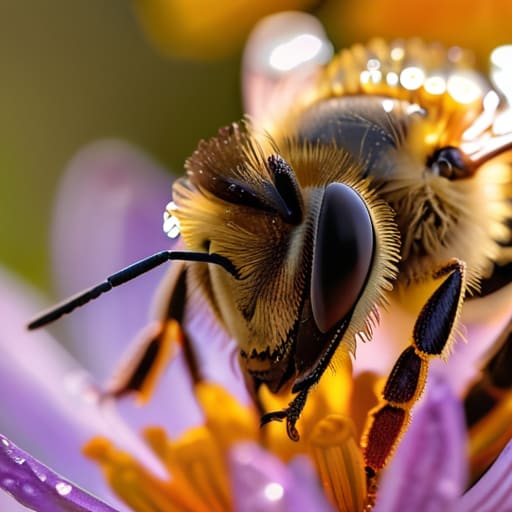
I was halfway through a transect in a field margin outside Reading last July, soaked to the bone and shivering, when I realized that most “complete guide to pollination” resources are essentially fiction. You’ll see them online—glossy, oversimplified infographics claiming that if you just buy one specific type of wildflower seed packet, you’ve “saved the bees.” It’s infuriating. People treat pollination like a magic switch that you can just flip on by following a checklist, ignoring the messy reality of phenology, habitat fragmentation, and the fact that not every insect is looking for the same thing.
I’m not here to sell you a miracle seed mix or feed you alarmist headlines that leave you feeling helpless. Instead, I want to give you a no-nonsense look at the actual mechanics of how these systems function. We’re going to move past the buzzwords and look at what the survey data actually tells us about which plants matter, why timing is everything, and how you can make measurable changes to your own space. I’ll tell you when the science is settled and when we’re still just guessing, because that’s the only way to build conservation that actually works.
Table of Contents
The Pollination Process Explained Without the Hyperbole
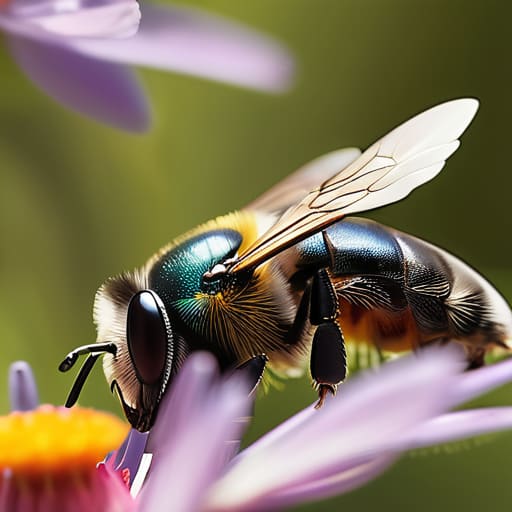
When we talk about the pollination process explained in textbooks, it often sounds like a mechanical transaction: pollen moves from Point A to Point B, and a fruit appears. In reality, it is a messy, energetic gamble. Most people focus on the high-profile buzz, but we need to look at the broader spectrum of pollinator types and roles. While we obsess over honeybees, we often overlook the solitary bees, hoverflies, and even certain beetles that are doing the heavy lifting in specific niches. It isn’t a uniform service; different species are tuned to different floral architectures.
We also need to distinguish between how plants actually reproduce. There is a massive functional difference between cross-pollination vs self-pollination. While some plants can manage on their own, many of the species that underpin our ecosystems rely on that genetic shuffle provided by a visiting insect to stay resilient. It isn’t just about “making more seeds”; it is about maintaining the genetic diversity that allows a population to survive a drought or a new pathogen. If we treat pollination as a simple, guaranteed reflex, we miss the nuance of why losing specific functional groups matters so much more than just losing a single species.
Wind and Water Pollination Methods the Silent Players
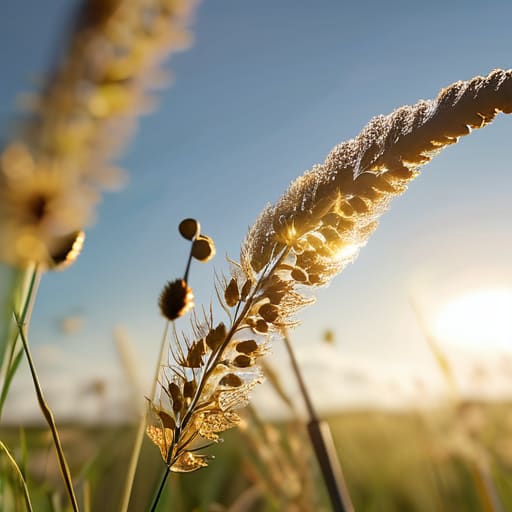
When we talk about pollination, the conversation almost always drifts toward the “charismatic megafauna” of the insect world—the bees, the butterflies, the flashy movers. But if you step away from the flowerbeds and look at the broader landscape, you realize that much of the heavy lifting happens through wind and water pollination methods that don’t require a single wingbeat. Take Poaceae, the grass family. They don’t bother with nectar or bright colors because they don’t need to bribe anyone. They simply release massive amounts of lightweight pollen into the air, banking on the wind to carry their genetic material to the next plant. It is a high-volume, low-precision strategy, but it is incredibly effective for the vast stretches of grassland that stabilize our ecosystems.
Water pollination is even more niche, often relegated to aquatic plants like Zostera marina (eelgrass), where pollen travels through the currents rather than the breeze. While we focus heavily on the importance of bees in agriculture, these abiotic processes are the silent foundation of our planet’s primary production. It’s easy to overlook them because they lack the “buzz,” but understanding these different mechanisms is vital to grasping how much of our world’s greenery actually functions.
Moving Beyond the "Save the Bees" Slogans: What Actually Works
- Prioritize floral phenology over single-species planting. It isn’t enough to just put out a massive patch of lavender in July; if your garden is a desert in May when the early-emerging solitary bees are waking up, you haven’t actually provided a lifeline. You need a continuous “bloom bridge” that spans from the first spring ephemeral to the last autumn aster.
- Embrace the messy margins. In my surveys, the most significant biodiversity spikes don’t happen in manicured flower beds, but in the unkempt, slightly “weedy” edges of a plot. Leave the nettles and the brambles; these aren’t just pests, they are essential larval host plants and structural shelter that a tidy lawn simply cannot provide.
- Diversify your pollinator toolkit. We tend to fixate on Apis mellifera—the honeybee—but they are often just efficient commuters. If you want to support a resilient ecosystem, you need to cater to the specialists: the hoverflies, the sweat bees, and the long-tongued moths. This means offering a variety of flower shapes, not just the flat, easy-access ones.
- Minimize chemical interference, even the “safe” stuff. I see it constantly in the data: even low-toxicity neonicotinoid residues or certain systemic fungicides can disrupt a pollinator’s ability to navigate or reproduce. If you’re treating a pest problem, you are almost certainly inadvertently treating a pollinator problem too.
- Manage for nesting, not just feeding. A garden full of nectar is just a restaurant; if there are no places to sleep or raise a family, the population won’t stay. Leave some bare, sunny soil for ground-nesting bees and some hollow stems or dead wood for the cavity-nesters. A “perfect” garden is often too clean to be a home.
What to actually take away from this
Pollination isn’t a monolithic service provided by a single type of insect; it is a fragmented, highly specific interaction between different species and specific plant architectures that requires a diversity of “players” to function.
We need to move past the idea that “more bees” is a universal fix, because the data shows that supporting specific, often overlooked pollinator groups is more effective for biodiversity than just planting any random wildflower mix.
Stop looking for a single “silver bullet” solution in the headlines; real conservation happens in the messy details of habitat connectivity and the preservation of unmanicured field margins where the real work of reproduction occurs.
Moving Beyond the Headlines
If we strip away the sensationalist headlines, what we’re left with is a complex, mechanical reality. Pollination isn’t a singular, magical event; it is a diverse suite of biological strategies, ranging from the heavy lifting done by Apidae (the bees) to the quiet, invisible work of wind-driven pollen in grasses. Understanding that these processes are distinct—and that they rely on specific, often fragile ecological conditions—is the first step toward real conservation. We can’t just demand “more bees” without acknowledging that we also need to protect the wind-pollinated corridors and the specific floral resources that sustain these different life cycles.
At the end of the day, my time in the field has taught me that we don’t need to solve the entire global crisis by Tuesday to make a measurable difference. We don’t need to be expert entomologists to help; we just need to stop viewing our gardens as sterile, manicured boxes and start seeing them as part of a larger, messy network. Whether it’s leaving a patch of nettles for the specialists or simply letting the lawn grow a little longer, these small, evidence-based shifts matter. We have to move past the panic and toward intentional, incremental action—because that is where the data shows the real recovery begins.
