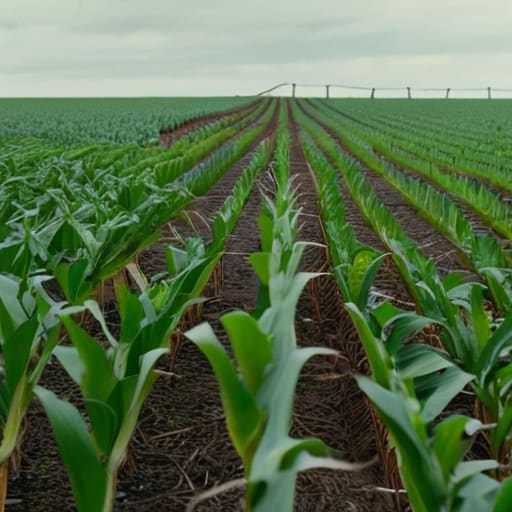
I spent three weeks last summer knee-deep in a drainage ditch in Norfolk, trying to track bumblebee foraging patterns while a relentless drizzle turned my field notes into a soggy, illegible mess. It’s a far cry from the polished, sweeping infographics you see on social media that claim we’ve simply “lost nature.” When we talk about how agricultural intensification changed land, the headlines usually focus on massive, abstract shifts, but they miss the granular reality: it’s the loss of the tiny, messy edges that actually breaks the system. It isn’t just about less space; it’s about the specific, surgical way we’ve stripped the complexity out of the margins where life actually happens.
I’m not here to give you another doom-and-gloom lecture or a list of impossible demands that would make a commercial farmer roll their eyes. Instead, I want to look at what the actual survey data tells us about these landscape shifts and, more importantly, what actually matters for biodiversity. I’ll tell you where the evidence is rock-solid and where we’re still just guessing, so you can stop worrying about the hype and start understanding the real mechanics of how we can fix the margins.
Table of Contents
The Real Impact of Monoculture on Biodiversity Beyond the Panic

When we talk about the impact of monoculture on biodiversity, the conversation usually defaults to a “green desert” metaphor—vast, empty expanses of single crops. While that’s a useful shorthand, it misses the actual mechanics of what I see when I’m out on a transect. It isn’t just that the landscape looks empty; it’s that the temporal rhythm of food availability has been broken. In a natural hedgerow or a diverse meadow, you have a staggered succession of blooms. In a monoculture system, you might have a massive, overwhelming pulse of nectar for two weeks in May, followed by months of absolute nutritional nothingness. For a specialist pollinator, that gap is a death sentence.
We also need to look at what’s happening beneath the surface. We often focus on the visible insects, but the soil degradation from intensive farming is quietly dismantling the foundation of the entire food web. When we prioritize sheer agricultural productivity vs ecosystem services, we tend to treat soil like an inert sponge for chemicals rather than a living, breathing community. If the soil microbiome collapses due to heavy tillage and lack of organic diversity, the plants that follow are inherently less nutritious for the insects that rely on them. It is a cascading failure, not just a single missing link.
Tracing the Land Use Transformation History Through Hard Data

When we look at the land use transformation history of the UK, we aren’t just looking at maps changing color; we are looking at the literal erasure of complexity. If you dig into the historical datasets from the mid-20th century, the shift is stark. We moved from a mosaic of small-scale, varied plots to a landscape defined by massive, unbroken stretches of single crops. This isn’t just a change in aesthetics; it represents a fundamental decoupling of agricultural productivity vs ecosystem services. We optimized for the calorie, but in doing so, we stripped away the structural variety that insects require to survive the winter or find food in a dry July.
The data shows that this wasn’t a sudden collapse, but a steady, documented erosion. As we pushed for higher yields, the sheer scale of the fields increased, which naturally meant the “unproductive” bits—the hedgerows, the scrubby margins, the wildflower patches—were viewed as inefficiencies to be removed. It’s easy to point at a single bad year for pollinators, but the longitudinal studies tell a more sobering story of gradual habitat fragmentation. We didn’t just lose insects; we lost the connective tissue that allowed their populations to remain resilient.
Five Things the Data Tells Us About Losing the "In-Between" Spaces
- Focus on the margins, not just the crops. When we talk about intensification, we often focus on the massive fields of wheat or rapeseed, but for an entomologist, the real story is in the edges. The loss of hedgerows and the narrowing of field margins means we’ve essentially deleted the “highways” that insects use to move across a landscape without being exposed to pesticides or extreme wind.
- Beware the “green desert” effect. A field of flowering oilseed rape looks like a feast from a distance, but it’s often a nutritional trap. It provides a massive pulse of nectar for a very short window, which sounds great until the bloom ends and the insects are left in a landscape that offers zero caloric value for the rest of the season.
- Recognize that “tidiness” is an ecological killer. The push for high-yield efficiency has turned our landscapes into something incredibly neat, but nature is messy. When we remove the “weeds” or the scrubby, unmanaged patches between fields to make machinery movement easier, we are removing the specific larval host plants that many specialist species require to complete their life cycles.
- Understand that connectivity is more important than total area. You can have a massive, beautiful nature reserve, but if it’s surrounded by a sea of chemically intensive monoculture, it becomes an island. For many of the pollinators I survey, a series of small, connected “stepping stone” gardens or wildflower strips is actually more effective than one large, isolated patch of habitat.
- Stop treating “insect decline” as a single, uniform event. The data shows that different species are responding to land-use changes in wildly different ways. Some generalists are actually doing okay, while the specialists—the ones tied to very specific plants or soil types—are the ones cratering. If we try to save “all insects” with one broad policy, we’ll likely miss the ones that are actually on the brink.
What the Data Actually Tells Us
We need to move past the “insect apocalypse” headlines and look at the nuance: it isn’t always a total collapse of every species, but a massive, measurable shift in who survives and where they can actually live.
Monocultures don’t just “remove nature”; they create nutritional deserts where even if a species is present, the lack of floral diversity means they can’t sustain a population through their entire life cycle.
Effective conservation isn’t about broad, sweeping gestures; it’s about the granular details, like how the specific width and flower composition of a field margin can be the difference between a thriving population and a local extinction.
Moving Beyond the Data
When we strip away the sensationalist headlines, the picture the data paints isn’t just one of “loss,” but of profound structural simplification. We’ve seen how the transition from diverse, messy field margins to streamlined monocultures has fundamentally altered the way energy moves through our landscapes. It isn’t just that there are fewer insects; it’s that the specific niches—the nectar corridors, the undisturbed soil, the structural variety—that supported specialized species have been systematically removed. The history of land use transformation shows us that we haven’t just lost numbers; we have lost the ecological complexity that allows a landscape to be resilient.
But if the data shows us exactly where the cracks are forming, it also shows us where we can begin to patch them. Conservation doesn’t always require a total overhaul of global agriculture to see a measurable difference; sometimes, it starts with the deliberate reintroduction of messiness. Whether it is widening a hedgerow or leaving a patch of wildflowers in a field margin, these aren’t just aesthetic choices—they are functional interventions. We don’t need to wait for a perfect, sweeping policy to act. We just need to start managing our land with the understanding that every square meter of unmanicured space is a vital piece of the puzzle.
