I once spent four hours crouched in a damp hedgerow near Leicester, squinting through a hand lens at a single, battered specimen that looked more like a piece of burnt toast than a lepidopteran. I wasn’t looking for “magic” or “vibrant colors”—I was looking for the specific, microscopic serration on a wing margin that tells you if you’re looking at a common species or something much more significant. Most people think understanding how butterflies are identified is just about matching a pretty picture in a glossy field guide, but that’s a massive oversimplification. If you rely solely on color, you’re going to misidentify half of what you see, especially when the weather turns or the wings get worn.
I’m not here to sell you on the idea that anyone can be an expert overnight with a smartphone app. What I want to do is show you what the actual survey data relies on: the structural nuances and behavioral cues that most guides gloss over. I’ll walk you through the diagnostic traits that matter, from venation patterns to subtle underside markings, without the academic jargon. My goal is to move you past the guesswork and toward a precise, evidence-based way of seeing the insects that actually inhabit your garden.
Table of Contents
Why Butterfly Wing Patterns Alone Can Mislead You
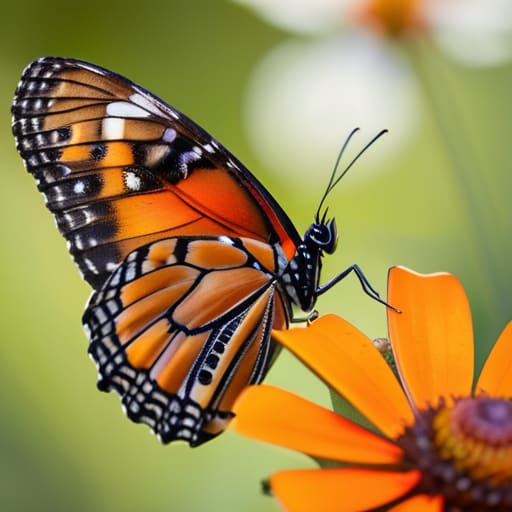
If you’ve ever spent a Saturday afternoon squinting at a garden flower, you’ve probably fallen into the trap of thinking that identifying butterfly species by color is a foolproof method. It feels intuitive—you see a flash of bright orange, you think Vanessa cardui, the Painted Lady. But if you rely solely on those primary hues, you’re going to get a lot of wrong answers. Many different Lepidoptera species have evolved incredibly similar color palettes to blend into specific environments, or conversely, to signal to mates, meaning a “bright yellow” butterfly could be three different things depending on the exact shade and the season.
The real work happens when you move past the surface level and look at the finer details of butterfly anatomy for identification. I’m talking about the specific arrangement of scales, the subtle venation in the wings, or the way a particular spot is shaped rather than just its color. It’s the difference between saying “it has black spots” and noting that the spots are actually submarginal and slightly irregular. Relying on color alone is how we end up with “lazy” data that masks the actual shifts in local populations.
Beyond Color Using Butterfly Anatomy for Identification
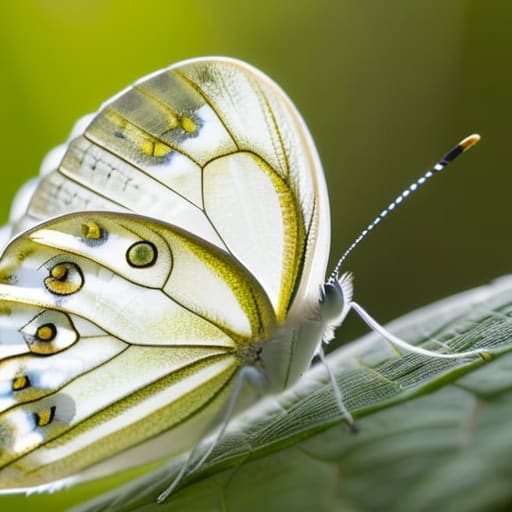
If you want to get serious about identification, you have to look past the surface. I spent three weeks last summer staring at Pieris rapae—the Small White—and realized that if I only relied on color, I’d be constantly misidentifying them against other similar whites. This is where butterfly anatomy for identification becomes your best friend. You need to start looking at the venation, those tiny, vein-like structures that support the wing. The way these veins branch off from the base isn’t just structural; it’s a roadmap that distinguishes one family from another.
Then there are the antennae and the legs. For example, the shape of the club at the end of an antenna can be a dead giveaway for certain families within the order Lepidoptera. I’ve seen people confidently declare a sighting based on a flash of orange, only to realize they ignored the specific structural cues that actually define the species. It’s a bit like trying to identify a car by its paint job alone; eventually, you have to look at the chassis to know what you’re actually dealing with.
The Fieldwork Reality Check: Five Things to Look for When the Wing Patterns Fail You
- Lepidoptera morphology isn’t just about the surface; you need to check the antennae. If you’re looking at a butterfly, you’re looking for those distinct, clubbed tips. If they look feathery or tapered without that little knob at the end, you aren’t looking at a butterfly—you’re looking at a moth, no matter how much the color pattern mimics one.
- Don’t ignore the flight period. I can’t stress this enough: an identification often starts with a calendar, not a lens. If you see a specimen that looks exactly like a Vanessa cardui (Painted Lady) in the middle of a frost-bitten November in the UK, you aren’t seeing a late migrant; you’re likely looking at a different species entirely or a very confused visitor.
- Pay attention to the ventral side. Most beginners focus on the “top” of the wing because that’s what’s visible when the insect is basking. But for many species, the underside—the ventral surface—is where the real diagnostic markings live. If you can’t get a clear view of the underside, you’re essentially guessing.
- Observe the habitat context. While it’s not a definitive taxonomic tool, knowing that a specific species is strictly tied to certain larval host plants can help you narrow down your possibilities. If you’re in a manicured, chemically treated lawn and you think you’ve spotted a specialist meadow species, take a second look at your own data.
- Watch the flight pattern. It sounds unscientific, but it’s a legitimate observation tool. Some species have a heavy, low-to-the-ground flutter, while others are erratic and high-flying. It won’t replace a macro photo, but it’s the difference between a confident “maybe” and a total shot in the dark.
The Reality of the Record
Stop relying on color alone; true identification requires looking at structural details like wing venation and antennal shape, because a single shade of orange can hide two completely different species.
Context matters as much as the insect itself—where you found the butterfly and what plants were growing nearby provides the necessary data to narrow down a “maybe” to a “definitely.”
Accept that identification is a skill of precision rather than a quick glance, and recognize that even professional surveys occasionally flag a specimen as “undetermined” when the evidence just isn’t there.
The Real Value of Getting it Right
At the end of the day, identifying a butterfly isn’t just about matching a pretty picture in a field guide to something fluttering past your nose. It’s about the nuance—recognizing that a wing pattern might be seasonally variable, or that the subtle shape of a leg or antenna is often the only thing separating two lookalike species. When we rely solely on “vibes” or general color descriptions, we miss the granular details that actually constitute meaningful data. If we want to understand how these populations are shifting in response to climate change or habitat loss, we have to move past the superficial and commit to the rigorous, sometimes tedious work of precision.
I know that sounds like a lot of heavy lifting for a hobby, but there is something deeply rewarding about moving from “I think that’s a Painted Lady” to “I am certain that is a Vanessa cardui.” When you start seeing the world through the lens of specific anatomical traits and subtle markings, the landscape stops being a blur of color and starts becoming a complex, legible map. Accurate identification is the foundation of all good conservation; it is how we turn a vague feeling that “nature is changing” into a verifiable record of life. So, grab your hand lens, slow down, and look closer—the data is waiting in the details.
