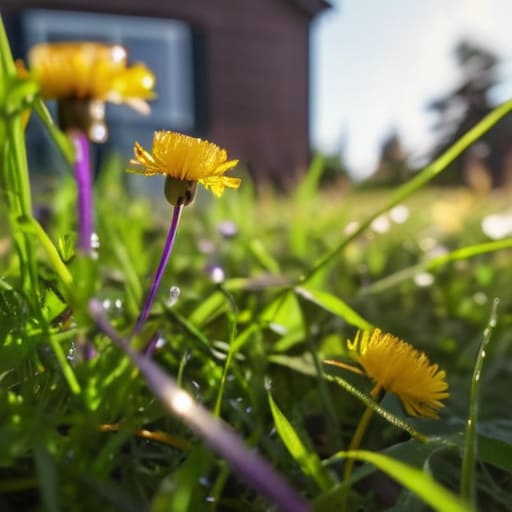
I spent three years of my doctorate staring at hedgerow margins, and if there is one thing I’ve learned, it’s that people are being sold a very expensive, very polished lie about biodiversity. You see these “rewilding kits” online—designer wildflower mixes that promise to turn your backyard into a paradise—but most of them are just overpriced bags of seeds that won’t even germinate in your specific soil. If you are looking for a magical, instant solution for how to manage a lawn for nature, stop looking at the glossy brochures. Most of the time, the best thing you can do is actually less work, not more.
I’m not here to give you a list of expensive products or tell you to turn your entire garden into a chaotic mess. Instead, I want to talk about what actually shows up in my moth traps and my transect counts. I’ll show you how to identify the difference between a “messy” garden and a functional one, and why leaving a single patch of clover is often more impactful than planting a thousand imported blooms. This is about small, evidence-based shifts that actually move the needle for local insect populations.
Table of Contents
Moving Past Aesthetic Perfection Toward Real Biodiversity in Residential Ya
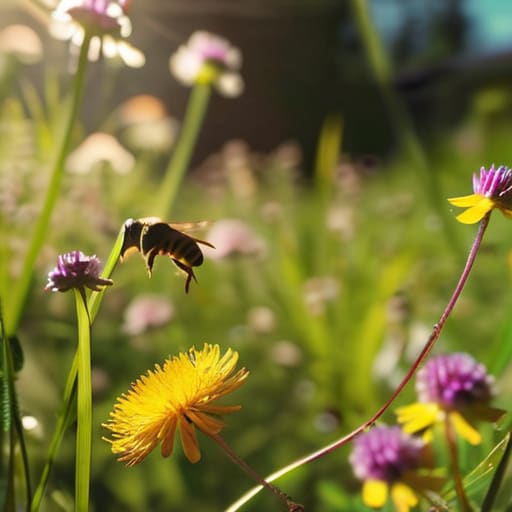
The problem with the “perfect” lawn is that it’s essentially a biological desert. We’ve been conditioned to see a uniform carpet of green as a sign of a well-kept home, but to a solitary bee or a hoverfly, it’s just a vast, empty expanse of nothing to eat and nowhere to hide. When we talk about biodiversity in residential yards, we aren’t talking about a massive forest; we’re talking about breaking up that monotony. It starts with accepting a bit of mess. If you can resist the urge to edge every single blade of grass with surgical precision, you’re already winning.
Instead of aiming for that manicured look, I suggest leaning into native plant landscaping. This isn’t about a complete, expensive wildflower meadow conversion overnight—though that is lovely if you have the space—it’s about strategic patches. Leave a corner of the yard to go slightly wild, or swap out a section of turf for something that actually provides nectar. The goal is to transition from a space that looks “tidy” to one that functions as a corridor. It’s less about aesthetics and more about habitat creation for insects that actually works.
The High Stakes of Reducing Pesticide Use in Your Soil
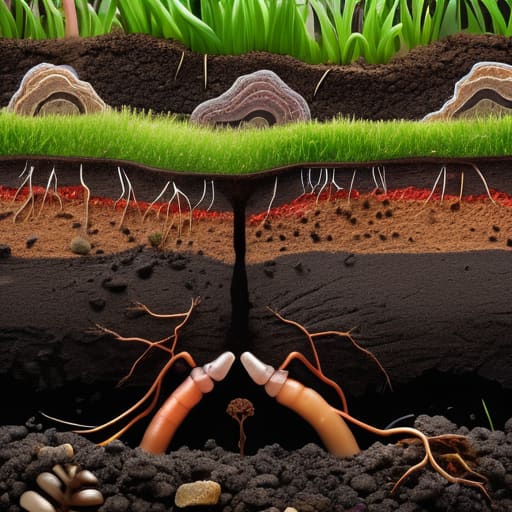
When people talk about reducing pesticide use, they usually focus on the obvious stuff—spraying a rose bush for aphids or treating a patch of lawn for clover. But the real, invisible battle is happening underground. Most conventional garden treatments don’t just stay on the surface; they leach into the soil profile, disrupting the complex web of microbes and invertebrates that actually build healthy earth. If you’re aiming for true habitat creation for insects, you have to realize that a healthy garden isn’t just about the things flying around in the air; it’s about the life moving through the dirt.
I see this often in my survey work: a garden looks lovely and “green,” but the soil is essentially a biological desert because of systemic chemicals. You can plant all the expensive perennials you want, but if the soil chemistry is compromised, you aren’t actually building biodiversity in residential yards. You’re just putting decorations on a dead foundation. If we want to move the needle on insect populations, we have to stop treating the soil like a sterile medium and start treating it like a living, breathing ecosystem.
Small Shifts That Actually Count
- Stop aiming for a monoculture. If you’re obsessed with a uniform carpet of Lolium perenne (perennial ryegrass), you’re essentially maintaining a green desert. Let the clover and the dandelion seeds take hold; they aren’t “weeds,” they are the primary fuel stations for the pollinators currently struggling to find a meal.
- Leave the edges alone. In my field surveys, the most significant insect activity rarely happens in the middle of a mown expanse; it happens in the “soft edges.” By leaving a six-inch buffer of uncut grass around your fence line or flower beds, you create a micro-habitat that actually functions as a corridor rather than a barrier.
- Think about timing, not just frequency. Mowing every single week is a recipe for local extinction. If you space out your mowing and leave the clippings to decompose, you’re preserving the life cycles of ground-nesting bees and the larvae of various beetles that need that thatch to survive the season.
- Water with intention. I know, a parched lawn looks bad in a heatwave, but if you’re using a sprinkler to keep a non-native grass species looking “lush” while the local flora dies off, you’re working against the ecosystem. Focus your water on the flowering plants that actually support the local insect community.
- Embrace the mess of leaf litter. It’s tempting to rake everything into a neat pile for the compost, but that layer of decaying organic matter is where a huge chunk of our biodiversity hides. Many beneficial insects overwinter in that debris; clearing it all away is like evicting the local population right before winter hits.
What to actually do when you step outside
Prioritize “messy” edges over total coverage; if you can’t commit to a full meadow, just leaving a one-metre strip of uncut grass and native weeds around your fence line creates the essential shelter and nectar corridors that a manicured lawn lacks.
Focus on the “when” as much as the “what” by delaying any mowing until your local wildflowers have actually gone to seed, ensuring you aren’t accidentally cutting down the next generation of food for pollinators.
Stop looking for a single “silver bullet” plant and start thinking about phenology—the timing of blooms—because a garden that looks great in June but is a desert in September does nothing to support insects through their full life cycles.
Beyond the Perfect Lawn
At the end of the day, managing a lawn for nature isn’t about following a complex, expensive checklist; it’s about making a few deliberate, slightly messy trade-offs. We’ve talked about moving away from that sterile, “golf course” aesthetic and why ditching the heavy pesticides is probably the single most impactful thing you can do for your local soil food web. It’s about recognizing that a patch of clover or a corner of untrimmed grass isn’t a sign of neglect, but a functional habitat. When we stop viewing every dandelion as an intruder and start seeing them as a vital early-season nectar source, we shift from being mere observers of nature to active participants in its survival.
I know it feels small. I know it feels like your single backyard is a drop in an ocean of declining biomass. But when I’m out on a transect at 6:00 AM, counting the same species year after year, I see how these tiny, disconnected patches of life actually form a biological corridor that allows species to move, feed, and persist. You don’t need to turn your entire property into a wild meadow overnight to make a difference. Just start by letting one corner go a little wild, watch what turns up in the light of a moth trap, and realize that real conservation starts with the permission to be a little bit imperfect.
