
I once spent four hours crouched in a damp hedgerow in mid-October, shivering so hard I nearly dropped my field notebook, all because I thought “recording data” meant capturing every single movement in a frantic, disorganized rush. I thought if I wasn’t documenting every twitch of a wing, I was failing. But that’s the trap: most people think how seasonal change should be recorded requires expensive sensors or a PhD-level obsession with every single specimen, when really, they just end up with a pile of unusable noise. You don’t need a high-tech laboratory to see the shifts in your garden; you just need to stop trying to count everything at once and start looking for the patterns that actually matter.
In this post, I’m stripping away the academic jargon and the “citizen science” hype that makes people feel like they aren’t doing enough. I’m going to show you how to build a recording method that is actually sustainable—one that tracks the specific phenological windows, like the first emergence of Bombus terrestris, without burning you out by July. We’ll talk about what to track, what to ignore, and why consistency beats intensity every single time when you’re trying to prove a trend.
Table of Contents
Why One Off Observations Fail Our Environmental Monitoring Protocols
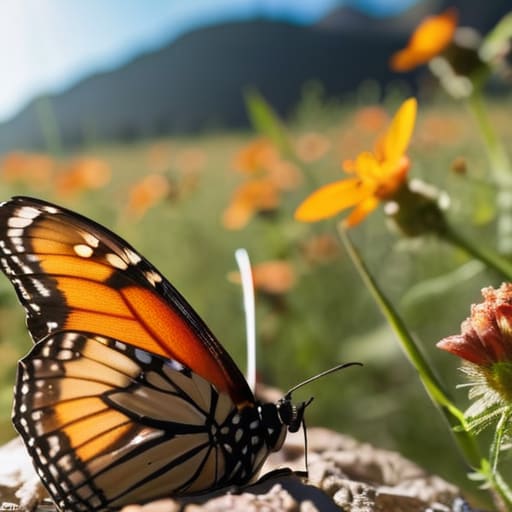
The problem with the “snapshot” approach—that single, beautiful afternoon where you sit in a meadow and note every butterfly you see—is that it creates a false sense of security. We see a flurry of activity, write it down, and assume the season is well underway. But a single afternoon is just a data point, not a trend. If you’re relying on one-off sightings, you aren’t actually performing environmental monitoring protocols; you’re just taking a very expensive, very biased photo.
Insects don’t operate on a steady, predictable rhythm. They operate on triggers. A sudden heatwave might coax a cohort of solitary bees out of dormancy three weeks early, only for a subsequent cold snap to wipe them out. If your data collection only captures that one warm window, your records will suggest a population boom when, in reality, you’ve just witnessed a demographic catastrophe. To truly understand the impact of shifting climates, we need to move beyond these isolated moments and focus on tracking biological spring events over weeks and months. Without that longitudinal context, we aren’t measuring life; we’re just catching glimpses of it.
Refining Phenological Observation Methods for Real Accuracy
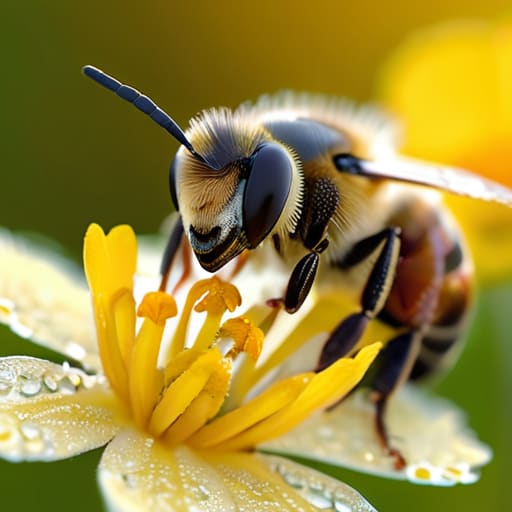
If you want to move past the “I saw a bee today” stage of data collection, you have to start looking at the relationship between the insect and its host. True phenological observation methods aren’t just about the animal; they are about the synchronicity between the pollinator and the bloom. I’ve spent too many mornings staring at a single patch of Primula veris—the common primrose—waiting for the exact moment a specific solitary bee species emerges to meet it. If you only record the bee, you’re missing half the story. You need to be recording plant life cycles alongside them to see if the timing is actually drifting apart.
This is where most amateur datasets fall apart. A single warm week in March might trigger an early emergence, but if the floral resource isn’t ready, that’s not a “population boom”—it’s a phenological mismatch. To get it right, your notes should include temperature, soil moisture, and the specific developmental stage of the vegetation. It’s more tedious than a quick photo for Instagram, but if we want to feed meaningful climate change data collection into actual policy, we need to stop guessing and start measuring the gap between arrival and availability.
Five ways to stop guessing and start actually recording
- Track the “first arrival” rather than just the total count. It’s not enough to say you saw ten Bombus terrestris—the common buff-tailed bumblebee—in June; you need to know if they were appearing two weeks earlier than they did last year. That shift in timing is often a much more sensitive indicator of climate creep than the raw numbers themselves.
- Standardise your “weather window.” If you record a surge in activity on a warm, still Tuesday, but your neighbor records a dip on a windy Wednesday, your datasets are incomparable. You have to note the temperature, wind speed, and cloud cover alongside the species, or you’re just recording the weather, not the biology.
- Map the phenology of the host plant, not just the insect. If you’re monitoring a specific moth species, you can’t just look for the moth; you have to record when its specific food plant actually flowers or buds. An insect population might look like it’s crashing, when in reality, the plant just shifted its lifecycle by ten days.
- Use fixed transects to avoid “discovery bias.” If you wander a different corner of the garden every week, you aren’t measuring a population; you’re just measuring how much ground you covered that day. Pick a path, walk it the same way, and stick to it, even when it’s raining and you’d rather be anywhere else.
- Document the “absence” as carefully as the presence. In a proper survey, a day where you saw nothing is still a data point. Don’t just skip the days when the sightings are zero; those gaps are vital for understanding the troughs in a seasonal cycle and preventing the kind of “optimism bias” that ruins long-term monitoring.
Moving Beyond the "Snapshot" Mentality
Stop treating a single afternoon of sightings as a trend; one warm Tuesday in May might give you a burst of activity, but without a consistent schedule, you’re just recording weather patterns, not population shifts.
Focus on phenology—the timing of life events—rather than just raw numbers, because knowing when a species emerges is often more scientifically valuable than knowing exactly how many you saw in a single sweep.
Accept the messy reality of “unreliable” data; it is better to record a gap in your observations because of a week of heavy rain than to guess or interpolate, as false certainty is what kills the credibility of citizen science.
Moving Beyond the Snapshot
Ultimately, recording seasonal change isn’t about catching a single, spectacular moment of activity; it’s about the tedious, necessary work of documenting the gaps in between. We have to move away from the “look what I found” mentality and toward a framework of consistent, longitudinal monitoring. This means acknowledging that a single afternoon of heavy sightings might just be a weather fluke, not a population boom, and that true data integrity relies on tracking the precise timing of emergence rather than just the presence of the insects themselves. If we want to understand how climate shifts are actually rewiring our ecosystems, we need the boring stuff: the repeated transects, the standardized dates, and the patience to note when nothing is happening at all.
I know it sounds unglamorous, but there is a profound kind of quiet power in being the person who actually knows what is happening on the ground. When we stop chasing the sensationalist headlines and start focusing on the nuanced reality of the field margin, we build a foundation of evidence that can’t be easily dismissed by skeptics. Every reliable data point you collect is a brick in a wall of defense for these species. So, grab your notebook, check your weather app, and keep counting. The goal isn’t just to see the insects, but to witness the rhythm of their lives before that rhythm is lost entirely.
