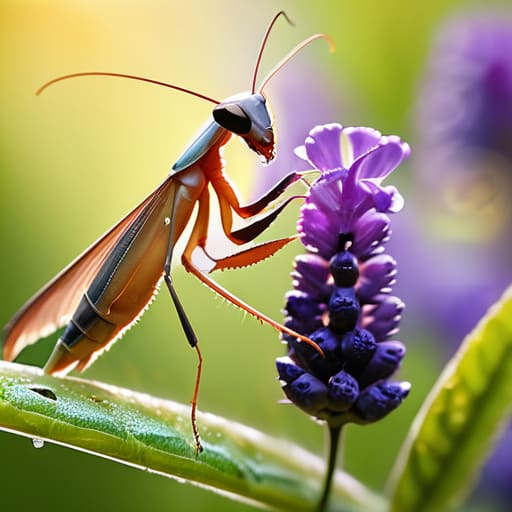
I once spent four hours crouched in a damp hedgerow, shivering in a waterproof jacket that had long since given up on being waterproof, all to confirm that a specific, slightly battered-looking beetle was exactly what the field guide claimed it was. It wasn’t glamorous, and it certainly wasn’t the “magical connection with nature” you see in polished lifestyle blogs. Most people think learning how to identify insects in the garden requires an expensive macro lens or a PhD-level understanding of morphology, but the truth is much messier. You don’t need a high-tech setup to start; you just need to stop expecting every winged visitor to be a rare specialist and start looking at the actual patterns in front of you.
I’m not here to sell you a subscription to a niche database or promise that you’ll find a cryptic species in your petunias by Tuesday. Instead, I want to show you how to look at what is actually present, even when the data feels a bit unorganized. We are going to move past the vague guesswork and look at the specific traits—the wing venation, the tarsal claws, the antennae shapes—that actually matter. My goal is to give you a no-nonsense framework for observation so you can stop guessing and start truly seeing what’s living in your patch of earth.
Table of Contents
Why Insect Identification Apps for Gardeners Often Miss the Nuance
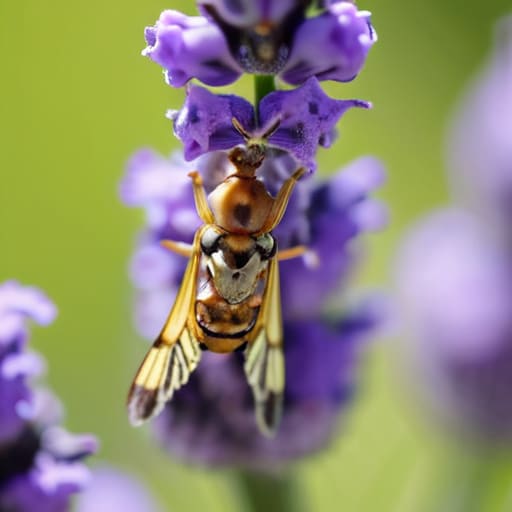
I’ve spent more hours than I care to admit staring at my phone screen, trying to get an app to tell me if that tiny, mottled thing on my lavender is a predator or a problem. While insect identification apps for gardeners are brilliant for a quick dopamine hit or a general idea, they frequently stumble when the stakes get specific. Most algorithms rely on pattern recognition from a massive database of “perfect” specimens—the kind you see in a textbook. But in a real, messy garden, you aren’t dealing with textbook examples; you’re dealing with battered wings, muddy legs, and lighting that makes everything look like a smudge.
The real danger is that these apps often lack the ecological context to distinguish between beneficial garden insects vs pests. An app might correctly identify a beetle, but it won’t tell you if that specific species is a voracious eater of your prize roses or a helpful scavenger keeping your soil healthy. It can’t see the relationship between the bug and the plant. If you rely solely on a digital scan, you might end up treating a “pest” that was actually a vital part of your garden ecosystem balance, simply because the software couldn’t grasp the nuance of the damage.
Mastering Macro Photography for Insect Identification Without the Guesswork
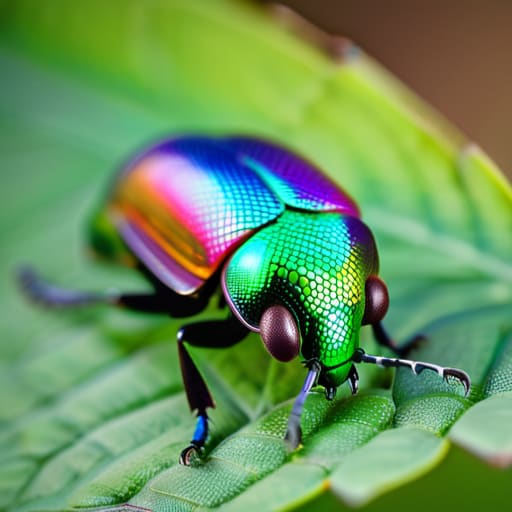
If you want to move past the guesswork, you have to stop taking “vibes-based” photos. I’ve seen countless blurry shots in my WhatsApp group that are just a smudge of brown on a green leaf, which helps absolutely no one. To actually use macro photography for insect identification, you need to focus on the diagnostic features—the things that actually differentiate a species. This means getting a clear shot of the wing venation in a moth or the specific segment patterns on a beetle’s abdomen. If the lighting is too harsh or the focus is on the flower instead of the insect, you’re just collecting pretty pictures, not data.
I also can’t stress this enough: look at the context. Sometimes the most important part of the photo isn’t the bug itself, but the evidence it left behind. By identifying leaf damage patterns alongside a clear shot of the culprit, you can distinguish between a casual visitor and something that is actively reshaping your garden’s micro-habitat. It’s about capturing the relationship between the organism and the plant, which is where the real story of your local biodiversity lives.
Beyond the Snapshot: Five Ways to Actually Know What You’re Looking At
- Stop looking at the wings first. I know, it’s what every field guide tells you to do, but if you want to distinguish between a common hoverfly and a honeybee, you need to look at the antennae and the body segmentation. Wings are great for a quick glance, but the structural details of the head and thorax are where the real taxonomic truth lives.
- Learn the “look-alikes” before you learn the “rares.” There is no point in getting excited about a sighting that looks like a rare specialist if it’s actually just a common Bombus terrestris in a slightly different light. If you can identify the ten most common species in your specific postcode, you’ll stop misidentifying everything else as something “special.”
- Context is everything, even if it feels like guesswork. Where was the insect? If you find a tiny, dark beetle on a rose bush in mid-July, that’s a completely different data point than finding the same shape on a damp log in March. Note the host plant and the weather; sometimes the habitat tells you more about the species than the insect’s own markings do.
- Don’t fear the “unidentified” label. In my PhD work, “Unidentified: Order Coleoptera” is a valid and honest piece of data. If you can’t tell if it’s a specific type of ground beetle, don’t force it into a category just to feel like you’ve completed a task. Accuracy matters more than a full checklist of names you’re unsure of.
- Use a physical key, not just a search engine. Google Images is a nightmare for identification because it prioritizes “pretty” or “dramatic” photos over diagnostic ones. If you can, get a regional identification guide—the kind with the slightly faded covers and the dense, technical descriptions. It forces you to look at the specific morphological features that actually define a species.
Three things to remember before you start your first survey
Stop looking for the “rare” stuff first; you can’t understand a local ecosystem until you’ve actually learned to recognise the common species that form the baseline of your garden.
Accept that your data will be messy, because identification is rarely a “eureka” moment and more often a frustrating process of checking wing venation or tarsal claws against a guidebook.
Prioritise morphological features over colour, as many species look identical in a blurry photo but can be distinguished by specific structural traits that a quick glance—or a bad app—will always miss.
The Long Game of Watching
At the end of the day, identifying insects isn’t about achieving a perfect, museum-grade catalog of every specimen that lands on your lavender. It’s about moving past the quick fix of a single app scan or a blurry photo and actually learning to read the landscape. We’ve talked about why the software often trips up on subtle morphological differences and why your macro lens needs to capture the wing venation, not just a pretty color. But the real goal is to build a baseline. When you combine decent photography with a bit of patience and a willingness to accept that data can be messy, you stop being a passive observer and start becoming a meaningful part of the local ecology.
I know it feels small. It feels insignificant to spend a Tuesday evening squinting at a moth under a UV light or debating whether a beetle is a common species or something slightly more interesting. But conservation isn’t just built on massive, sweeping legislative changes; it is built on the granular reality of what is actually happening in our hedgerows and flowerbeds. If we want to protect these populations, we have to actually know they are there. So, keep your notebook handy, keep your eyes sharp, and don’t let the complexity intimidate you. The more we look, the more we realize that even the smallest, most overlooked insect is worth the effort.
