
I once spent six hours crouched in a waterlogged hedgerow, trying to distinguish between two nearly identical species of hoverfly, while a textbook on my lap insisted that understanding how ecosystems are structured was a simple matter of “identifying trophic levels.” That textbook was lying. In reality, an ecosystem isn’t a neat, hierarchical pyramid you can draw on a whiteboard; it’s a chaotic, shifting mess of timing, temperature, and who managed to find a specific flower before the frost hit. When we talk about how ecosystems are structured, we aren’t just talking about a list of animals and plants; we are talking about the invisible, often fragile connections that keep a field from becoming a wasteland.
I’m not here to give you the polished, academic version that ignores the grit under the fingernails. Instead, I promise to show you what the data actually says about these connections, separating the settled science from the speculative hype. We’ll look at how these layers actually function in the wild—and more importantly, where the evidence is still thin—so you can understand the real mechanics of the natural world without the jargon.
Table of Contents
The Truth About Energy Flow in Ecosystems
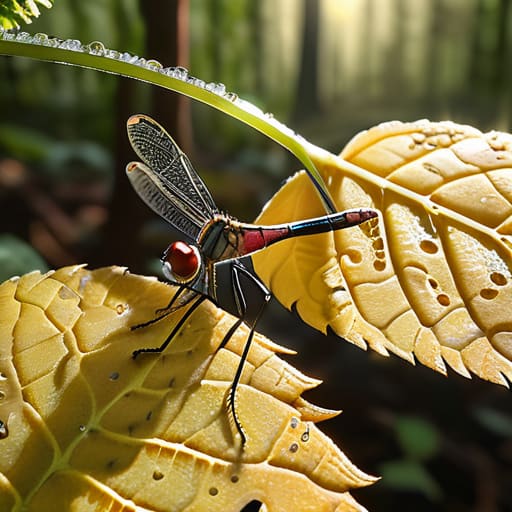
When people talk about energy flow in ecosystems, they often picture a neat, tidy arrow pointing from a flower to a bee, and then to a bird. It looks great in a textbook, but if you’ve ever spent a Tuesday morning trying to map out what’s actually happening in a patch of brambles, you know it’s a lot more chaotic than that. We aren’t just looking at a linear chain; we are looking at complex food web dynamics where everything is constantly being diverted, stolen, or recycled. Energy isn’t a gift that gets passed down; it’s a finite resource that gets bled off at every single step through heat and metabolic waste.
This is why the specific roles within a biological community matter so much. You have your producers, obviously—the plants turning sunlight into something usable—but the real magic (and the real mess) happens in the transition between the consumer and the decomposer roles. If the fungi and bacteria aren’t there to break down the dead stuff, the whole system just stalls. It isn’t a smooth conveyor belt; it’s a constant, frantic scramble to capture as much energy as possible before it vanishes into the atmosphere.
Balancing Abiotic and Biotic Factors in the Field
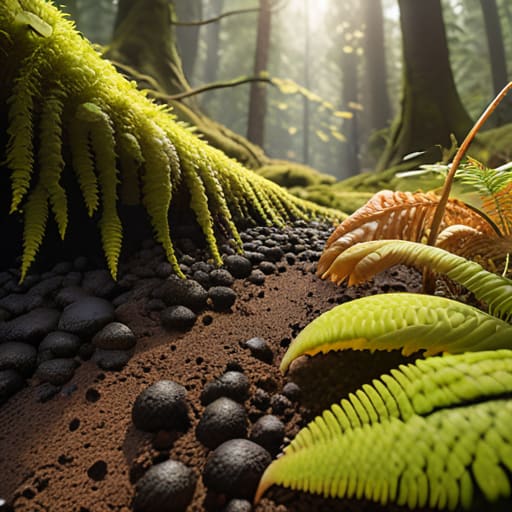
When I’m out on a transect, it’s easy to get hyper-focused on the “living” part of the equation—the flashy pollinators or the beetles scrambling through the leaf litter. But if you ignore the non-living stuff, your data is basically useless. You can’t understand biological community organization if you aren’t looking at the soil pH, the moisture levels, or how much wind is whipping through a particular hedgerow. These abiotic factors act like the invisible scaffolding for everything else; they dictate which plants can actually take root and, by extension, which insects can survive there.
It’s a constant tug-of-war between the physical environment and the organisms trying to carve out a space within it. I see it all the time in my surveys: a sudden shift in ground temperature or a particularly dry spell can completely rewrite the local ecological niches and interactions. It isn’t just about which species are present, but how the physical constraints of the landscape limit or enable their behavior. If the abiotic conditions shift, the entire web of life has to recalibrate, often in ways that aren’t immediately obvious until a population starts to dip.
Beyond the Diagrams: 5 Real-World Lessons from the Field
- Stop looking for “balance” and start looking for flux. In my transect surveys, I never see a perfectly balanced system; I see a constant, messy tug-of-war between species. An ecosystem isn’t a scale that sits still; it’s a series of shifts where one population spikes and another crashes, and that volatility is actually a sign of a functioning, resilient structure.
- Focus on the “unsexy” structural components. Everyone wants to talk about the charismatic apex predators, but if you want to understand how a field is structured, you have to look at the detritivores—the beetles, springtails, and fungi. They are the literal glue of the energy cycle, turning dead matter back into the nitrogen and phosphorus that the plants actually need to grow.
- Recognize that “edge effects” are where the real action happens. In my PhD work, I spend most of my time in hedgerow margins because that’s where the transition between two habitats creates a unique structural niche. A landscape isn’t just a collection of big blocks of forest or field; it’s the complex, messy interface where those blocks meet that often holds the highest biodiversity.
- Respect the hierarchy of trophic levels, but don’t assume they are rigid. While we teach that energy flows from producers to consumers in neat little steps, the reality in a garden or a meadow is much more tangled. Generalist species often jump between levels, acting as both predators and prey depending on what’s currently blooming or hatching, which makes the structure far more robust than a simple food chain suggests.
- Prioritize structural complexity over species count. If you’re looking to help local biodiversity, don’t just aim for a long list of different bugs; aim for a variety of physical spaces. A pile of decaying wood, a patch of bare soil, and a dense thicket of brambles provide different micro-climates and physical architectures that allow different life stages of the same species to survive the winter.
What to actually take away from this
Ecosystems aren’t just lists of species in a textbook; they are active, messy processes of energy moving from the sun through plants and into the insects I spend my days counting.
You can’t separate the living from the non-living; a change in soil pH or a sudden shift in local temperature can rewrite the entire ruleset for which pollinators actually survive the season.
Complexity is a buffer, not a guarantee; a diverse web of interactions makes a habitat more resilient, but it doesn’t make it invincible to rapid environmental shifts.
Beyond the Diagrams
When we strip away the textbook gloss, ecosystem structure isn’t some elegant, self-regulating machine; it is a constant, high-stakes negotiation between energy, organisms, and the physical environment. We’ve looked at how energy flows through those messy trophic levels and how the abiotic factors—the temperature, the soil moisture, the wind—dictate exactly who gets to show up to the party. It is easy to get lost in the abstractions, but the reality is that these systems are held together by the specifics. If the energy flow is interrupted or the abiotic conditions shift too fast, the entire architecture begins to fray at the edges.
I know it can feel overwhelming to realize how fragile these connections are, especially when the data on pollinator decline looks as bleak as it often does. But understanding the structure is actually where our agency begins. We aren’t just passive observers of a collapsing system; we are part of the landscape. Whether it’s leaving a patch of scrubby weeds for a specific moth or managing a field margin to support a wider web of life, we can influence the architecture of the local environment. We don’t need to fix the entire planet by Tuesday; we just need to start respecting the complex, beautiful mechanics of the small spaces we actually inhabit.
