
I was waist-deep in a damp, stinging nettle patch last Tuesday, trying to record a single Bombus terrestris—the common buff-tailed bumblebee—when I realized how much the textbooks lie to us. We are taught to visualize food webs as these clean, elegant pyramids where energy flows upward in a predictable, tidy stream. But if you’ve ever spent a rainy afternoon staring at a single square meter of hedgerow, you know that’s rubbish. In the real world, how food webs actually behave is far more chaotic, messy, and stubbornly non-linear than any glossy infographic suggests. It isn’t a series of neat arrows; it’s a frantic, overlapping scramble for survival where one sudden dry spell can snap a connection that a computer model swore was rock solid.
I’m not here to sell you on some idealized version of nature or to panic you with vague “collapse” narratives. Instead, I want to talk about what the survey data actually shows when we stop looking at the big picture and start looking at the margins. I promise to walk you through the unpredictable friction of local ecosystems, explaining why some species can vanish without a trace while others persist against all odds. We’re going to look at the evidence—the thin, the thick, and the downright confusing—to understand what really keeps a patch of ground alive.
Table of Contents
The Myth of Linear Chains and Actual Energy Flow in Ecosystems
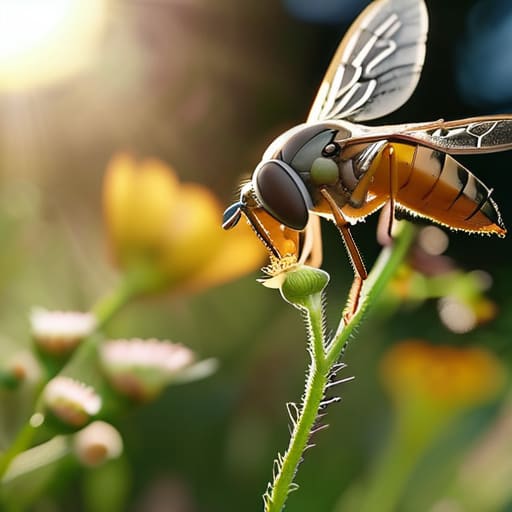
In textbooks, we’re taught about food chains: a neat, vertical ladder where a plant feeds a caterpillar, which feeds a bird, and so on. It’s a tidy way to teach biology, but if you’ve ever spent a Tuesday afternoon squinting at a hedgerow to see which larvae are actually present, you know that’s a lie. In reality, energy flow in ecosystems doesn’t move in a straight line; it’s a chaotic, overlapping web. A single species of hoverfly isn’t just a consumer; it’s a pollinator, a predator of aphids, and a meal for a passing wren. When we simplify these connections into single arrows, we miss the way energy actually circulates through a messy, multi-directional network.
This complexity is exactly why things get complicated when a species disappears. We often talk about top-down vs bottom-up control as if they are competing theories, but in a field margin, they are constantly dancing together. You might see a sudden spike in aphid numbers because a specific parasitoid wasp has vanished, but that isn’t just a simple “missing link” problem. It’s a shift in the entire local equilibrium. Real stability doesn’t come from a perfectly balanced chain, but from the redundancy of these overlapping connections.
Why Predator Prey Dynamics Are Far Messier Than Your Textbook
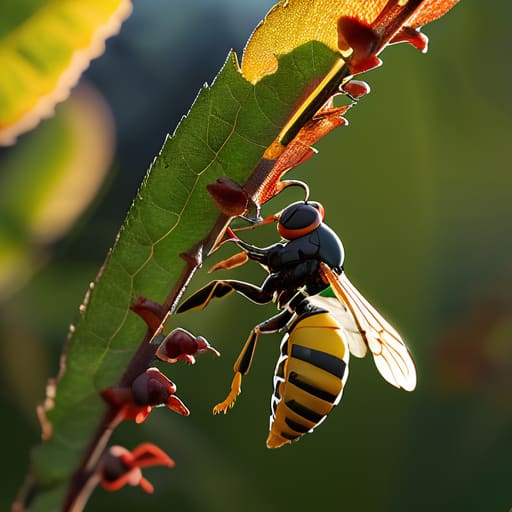
If you look at a standard biology diagram, predator-prey dynamics look like a clean, rhythmic pulse—the wolf eats the deer, the deer eats the grass, and everything balances out in a predictable loop. But when I’m out in a hedgerow at dusk, the reality is far more chaotic. You don’t see a neat cycle; you see a frantic, overlapping scramble where a single wasp might be hunting a caterpillar that is currently busy defoliating a specific species of bramble. It isn’t a single line of succession; it’s a high-stakes game of musical chairs where the chairs are constantly being moved by the weather or a sudden patch of invasive weeds.
In these micro-habitats, we see the tension between top-down vs bottom-up control playing out in real-time. It isn’t just about whether there are enough predators to keep a population in check; it’s about how a sudden spike in nectar availability might shift the entire energy budget of a local beetle population. We often talk about trophic cascade effects as if they are massive, sweeping events like a dam breaking, but in a field margin, they are often subtle, localized shifts. A single species of hoverfly disappearing doesn’t collapse the system overnight, but it does strip away a layer of the complexity that keeps the whole mess functioning.
Five ways to stop thinking like a textbook and start looking at the field
- Forget the “who eats whom” arrows. In a real hedgerow, energy doesn’t move in a straight line; it’s a chaotic redistribution. A single wasp doesn’t just target one caterpillar; it’s opportunistic, shifting its pressure based on what’s actually crawling in front of it that afternoon.
- Watch for the “generalist buffer.” While specialists are the first to crash when a specific plant disappears, generalist species act like ecological shock absorbers. They can switch food sources, which keeps the web from unraveling entirely, but it also means they can mask the early warning signs of a localized collapse.
- Acknowledge the importance of “non-consumptive effects.” It isn’t just about what gets eaten; it’s about the fear of being eaten. The mere presence of a predator can change how an insect behaves, where it forages, and how much it eats, which alters the entire plant community without a single kill being recorded.
- Respect the “bottom-up” reality. We often obsess over top predators, but if the soil moisture drops and the floral nectar quality dips, the entire web stutters. You can have all the ladybirds in the world, but if the aphids don’t have high-quality sap to suck, the energy stops at the very base of the chain.
- Accept the “noise” in the data. When you’re out on a transect, you’ll see massive spikes in one species and near-zero sightings of another. Don’t assume a population has vanished or exploded; food webs are subject to massive, messy seasonal fluctuations that often look like chaos but are actually just the system breathing.
What to actually look for when the textbooks fail
Stop looking for straight lines; real food webs are more like a tangled web of “maybe” than a neat chain of “definitely,” where one species might be a primary food source one week and a minor player the next depending on the weather.
Stability doesn’t come from a single dominant predator keeping everything in check, but from functional redundancy—having several different insect species that perform the same job so the whole system doesn’t collapse if one population dips.
Localized data matters more than global models; a headline about a species’ decline doesn’t tell you if your specific hedgerow is a viable corridor, which is why we need to focus on the messy, granular reality of what is actually surviving in our local margins.
Moving Beyond the Diagram
If we take anything away from this, let it be that a food web isn’t a static map you can just print out and pin to a corkboard. We’ve spent this time looking at how energy doesn’t just march in a straight line from plant to herbivore to predator, but instead leaks, shifts, and recirculates through a much more chaotic network of interactions. When we lose a single species—like a specific specialist pollinator or a particular ground beetle—we aren’t just removing one link in a chain; we are reconfiguring the entire geometry of the local ecosystem. The math is rarely as clean as the models suggest, and the true resilience of a habitat lies in these messy, redundant connections that keep the system from collapsing when one node goes dark.
It’s easy to feel overwhelmed by the sheer complexity of it all, especially when you’re staring at a transect of dying hedgerows in the rain. But understanding that these systems are non-linear is actually where the hope lies. We don’t need to solve the entire global ecology to make a difference; we just need to support the functional complexity of our own little corners of the world. Whether it’s leaving a patch of nettles for the larvae or connecting two disconnected garden plots, you are contributing to the web’s ability to bend without breaking. We aren’t just saving individual bugs; we are protecting the intricate, beautiful chaos that keeps the world alive.
