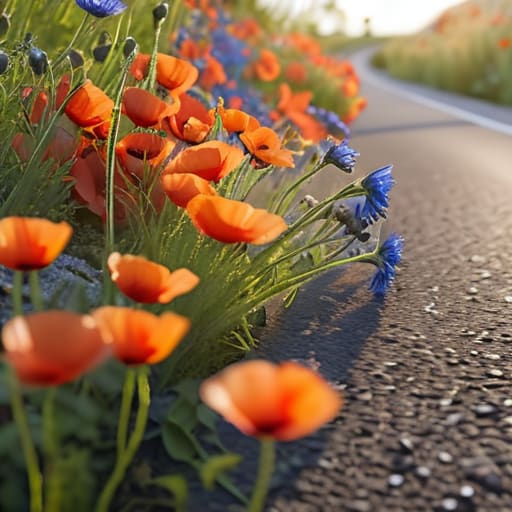
I spent three hours last Tuesday standing in a puddle of oily runoff, trying to record a single Bombus terrestris on a stretch of A-road that most people would call a wasteland. There is this pervasive, glossy myth in conservation circles that every bit of unmanaged grass is a “biodiversity corridor,” but if we are being honest about how road verges support species, a lot of them are actually just ecological traps. We see a patch of wildflowers in a headline and call it a success, but if that verge is too narrow to provide shelter or is constantly being hit by heavy metal particulates from brake dust, we aren’t building a habitat; we’re just setting a very beautiful, very dangerous trap.
I’m not here to sell you on the idea that every roadside ditch is a miracle. Instead, I want to look at what the actual transect data tells us about which strips of land are doing the heavy lifting and which are just green space in name only. I promise to skip the alarmist jargon and tell you exactly what makes a verge functional, from the importance of nectar continuity to the messy reality of soil compaction.
Table of Contents
Beyond the Hype Biodiversity in Roadside Ecosystems
The problem with the current discourse is that we tend to treat every strip of grass between a tarmac lane and a hedgerow as a monolith. If a headline says “wildflower verges are booming,” we tend to nod and assume the job is done. But as someone who has spent far too many hours squinting at Fabaceae species in the midday sun, I know it’s rarely that simple. The reality of biodiversity in roadside ecosystems is dictated less by the mere presence of green space and more by the specific impact of mowing regimes on flora. You can plant a thousand seeds, but if a council contractor comes through with a heavy-duty flail in mid-July, they aren’t just tidying up; they are effectively resetting the entire ecological clock and stripping away the nectar sources that local specialists rely on.
We also need to talk about the difference between a “green space” and actual wildlife corridors and connectivity. A roadside verge that is an isolated island of wildflowers surrounded by intensive monoculture farmland is a bit of a trap; it provides a feast, but it doesn’t allow for the movement necessary to maintain genetic health. For these strips to function as more than just decorative buffers, they have to link up. We aren’t just looking for pretty patches; we are looking for functional pathways that allow species to move through a fragmented landscape without hitting a dead end.
Pollinator Habitats Along Highways What Data Actually Shows
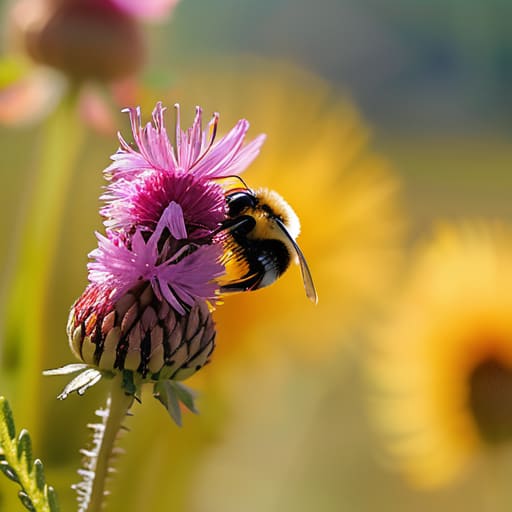
When I’m out on a transect, I’m not just looking for “more bugs”; I’m looking for specific life cycles. The data suggests that pollinator habitats along highways function less like massive, singular meadows and more like a series of vital, if precarious, stepping stones. If we look at the numbers, we see that these strips of land provide essential forage during those awkward mid-summer gaps when garden flowers have peaked but the autumn bloom hasn’t quite hit. However, it isn’t enough to just have green space. The real driver of success here is the impact of mowing regimes on flora; if the council cuts the verge too early or too frequently, they aren’t just tidying up—they are effectively removing the nectar source before the insects can even use it.
It’s also about the spatial reality of how insects move. We talk a lot about wildlife corridors and connectivity, but the data shows that a verge is only as good as its continuity. A perfectly managed patch of wildflowers is useless if it’s an island surrounded by three miles of sterile, chemically treated grass. For these strips to actually mitigate habitat fragmentation, they need to be part of a connected network that allows species to drift between larger woodland or meadow patches without hitting a biological dead end.
Moving the Needle: What Actually Makes a Verge Useful
- Stop treating “green space” as a monolith. A manicured, mown-to-the-edge grass strip is basically a biological desert for most specialist pollinators; if we want to see real numbers, we have to advocate for staggered mowing regimes that leave patches of long, unmanaged growth.
- Focus on the floral “menu” rather than just the quantity. It’s not enough to have flowers; we need a succession of species that bloom from early spring through late autumn so that a solitary bee isn’t left stranded in July when the one specific plant it relies on has finished flowering.
- Prioritize connectivity over isolated patches. A single, beautiful wildflower verge is great, but it’s a bit like a tiny island in a sea of tarmac; we need to look at how these strips link up to form “highways” for movement, allowing species to actually migrate and maintain genetic diversity.
- Don’t ignore the “messy” stuff. We often hear that roadside verges need to be tidy for safety or aesthetics, but things like dead wood, bare soil patches, and even some leaf litter are essential for the lifecycle of many ground-nesting bees and various beetle species.
- Watch the chemical inputs. There is a massive difference between a verge that is naturally diverse and one that is being heavily treated with herbicides to keep it looking “neat.” If the goal is biodiversity, we have to ensure that the management of the verge doesn’t accidentally kill the very species we’re trying to support.
What we actually need to take away from the data
Stop treating every patch of green as a win; a roadside verge only functions as a habitat if it has the right plant-to-insect synchrony, not just if it looks “wild” to a passerby.
We need to move past the “more is better” fallacy and focus on connectivity, because a high-quality habitat that’s an isolated island in a sea of concrete is often a death trap rather than a refuge.
Real conservation progress happens in the details of management—like timing when we mow—rather than in sweeping, vague promises to “protect nature” that don’t account for the actual life cycles of the species we’re trying to save.
Moving from Data to Dirt
We have to stop treating road verges as mere “green buffers” and start seeing them for what they are: fragmented, high-stakes corridors. The data is clear that while a single verge might not host a thriving population of Bombus terrestris, a connected network of them can serve as a vital lifeline between larger habitat blocks. It isn’t enough to just let the grass grow long; we need to be intentional about plant selection and connectivity. If we keep managing these spaces as aesthetic afterthoughts rather than functional ecosystems, we are essentially leaving the door cracked open but refusing to let anyone actually walk through.
It is easy to feel overwhelmed by the scale of insect decline, but conservation doesn’t always require a massive land acquisition or a multi-million pound grant. Sometimes, it just requires better management of the edges. If we can move the conversation away from sensationalist headlines and toward the actual, granular work of maintaining diverse, nectar-rich margins, we might actually stand a chance. We don’t need to solve the entire biodiversity crisis by Tuesday; we just need to make sure that the next time I’m out on a transect in the rain, the numbers I’m counting are actually trending upward.
