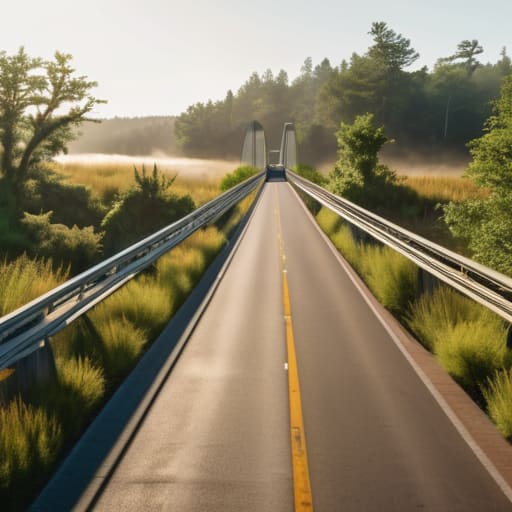
I was standing in a sodden field in mid-October, shivering in a waterproof jacket that had long since given up on being waterproof, trying to track a single movement of Noctua pronuba—the Large Yellow Underwing. I was looking at a narrow strip of unmanaged scrub that was supposed to be a “wildlife highway,” but all I saw was a patch of weeds. We talk about how corridors help connectivity as if we’re building literal motorways for bugs, but the reality is much messier than a clean line on a map. Most of the time, a corridor isn’t a grand, sweeping gesture of landscape design; it’s just a slightly less hostile way for a creature to get from point A to point B without dying.
I’m not here to sell you on the idea that planting a single row of lavender will save the planet. In this post, I want to look at what the actual movement data tells us about these pathways. We’ll move past the glossy brochures and look at why some corridors become vital lifelines while others are just ecological dead ends, and what you can actually do in your own space to make it count.
Table of Contents
The Real Wildlife Corridor Ecological Impact vs the Headlines
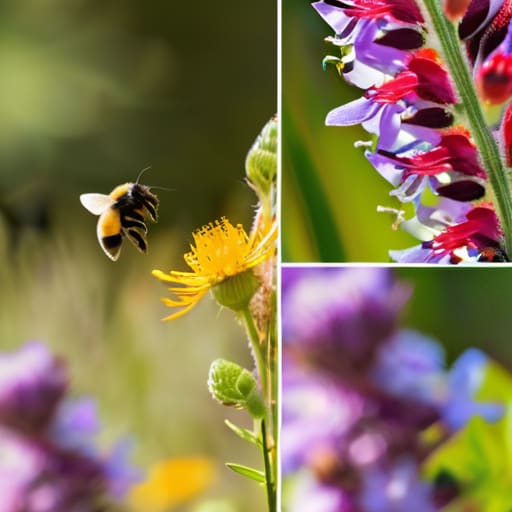
The problem with most headlines is that they treat a wildlife corridor like a finished product—as if you can just plant a row of lavender and suddenly the landscape is “connected.” In reality, assessing true wildlife corridor ecological impact is much messier than a press release suggests. It isn’t just about whether a patch of green exists between two woods; it’s about whether a specific organism—say, a Bombus terrestris (buff-tailed bumblebee)—actually uses that strip to move between foraging sites. If the corridor is too narrow or lacks the specific floral resources required for a mid-journey refuel, it’s basically just a decorative strip of grass that does nothing for actual population movement.
When we talk about habitat fragmentation solutions, we have to move past the idea of “green space” as a catch-all term. A corridor that works for a beetle might be a total dead end for a butterfly. We need to look at the quality of the transit, not just the presence of it. If the corridor doesn’t provide the right microclimates or nectar sequences, it’s just a green island in a sea of concrete, failing to bridge the gap it was meant to close.
Why Landscape Connectivity Principles Matter More Than Just Planting Trees
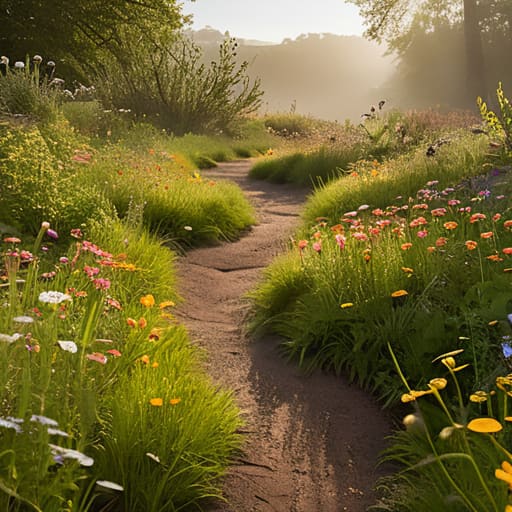
The problem with the “plant a tree” approach is that it treats conservation like a game of Tetris, assuming that if we just fill the gaps with green blocks, everything will work itself out. But a single oak in a sea of concrete isn’t a corridor; it’s an island. If we want to talk about real habitat fragmentation solutions, we have to stop thinking about isolated patches and start thinking about how organisms actually move through a landscape. For a small beetle or a solitary bee, a tree is useless if there isn’t a continuous stretch of nectar-rich margins or unplowed soil to bridge the gap between habitats.
This is where landscape connectivity principles come into play. It’s not just about the amount of green we add, but the quality and arrangement of that green. If a corridor is too narrow, it becomes an “ecological trap”—a place where species are funneled into high-risk areas like roadsides where they’re more likely to be hit by a car or exposed to pesticides. We need to design for movement, not just for aesthetics. It’s about creating a functional network that allows for gene flow and seasonal shifts, rather than just making the neighborhood look a bit more “wild.”
Beyond the Pretty Pictures: 5 Ways to Actually Build Connectivity
- Quality over quantity. It’s easy to plant a line of trees and call it a corridor, but if those trees are non-native ornamentals that don’t support local larvae, you’ve just built a very expensive, very green highway to nowhere. For a corridor to function, it needs to be a habitat in itself, not just a transit route.
- Mind the gaps. In my field surveys, I see it all the time: a perfectly lovely wildflower strip that ends abruptly at a concrete wall or a mown lawn. To a small insect, a ten-meter gap of hostile territory can be as impassable as an ocean. Connectivity is only as strong as its weakest link.
- Think about the “mess.” We have a tendency to tidy up our gardens and field margins until they are sterile. But connectivity requires structural complexity—dead wood, varying heights of vegetation, and “unmanaged” patches. If everything is manicured, there’s nowhere for an insect to actually stop and refuel.
- Don’t ignore the “stepping stones.” Not every corridor needs to be a continuous ribbon of green. For many species, a series of well-placed, high-quality patches—like a series of small, diverse gardens or even a single well-managed hedgerow—can act as stepping stones that allow for movement across a fragmented landscape.
- Watch the edge effects. When we create narrow corridors, we increase the amount of “edge” relative to the “interior” habitat. This can make species more vulnerable to predators or changes in microclimate. If we want corridors to work for sensitive species, we need to aim for width and depth, not just a thin line on a map.
What to actually look for in your own patch
Stop thinking of corridors as continuous green lines on a map; for a small beetle or a solitary bee, a “corridor” might just be a series of stepping-stone gardens that happen to have the right nectar sources.
Avoid the “set and forget” trap—planting a strip of wildflowers is a great start, but if it isn’t managed to allow for structural diversity, it becomes a biological dead end rather than a functional path.
Focus on quality over sheer acreage; a small, well-connected margin with native host plants does more for local population stability than a massive, monoculture “green space” that offers nothing for specialist species.
Moving Beyond the Map
If we take anything away from this, let it be the fact that connectivity isn’t a “set it and forget it” solution. We’ve seen that a corridor is only as effective as the quality of the habitat within it; a strip of monoculture grass isn’t a highway for a specialist pollinator, it’s just a green desert. We have to stop treating connectivity as a checkbox for biodiversity and start looking at it as a functional, living network. This means moving past the idea that any bit of green is good enough and focusing on actual movement data—ensuring that the gaps between our hedgerows and wildflower margins are small enough for the species we are actually trying to save.
It is easy to feel overwhelmed by the scale of landscape fragmentation, but conservation doesn’t always require a massive legislative overhaul to start making a dent. Sometimes, it is as simple as deciding not to mow that specific corner of the garden or leaving a messy, unkempt margin along a fence line. These small, intentional acts of unmanaged space are the building blocks of the larger corridors we talk about in academic papers. We don’t need to solve the entire connectivity crisis by Tuesday, but we can certainly stop making the gaps wider and start making the connections real.
