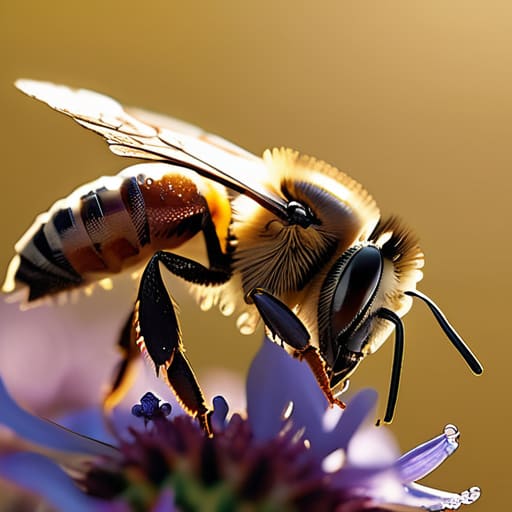
I was waist-deep in a damp, overgrown hedgerow in mid-October, shivering through my waterproofs and trying to record a single, confused Bombus terrestris—the Buff-tailed bumblebee—when a news alert pinged on my phone. It was another breathless headline claiming a “total insect apocalypse” driven by a single chemical. It’s exhausting. Most people think they understand the politics of pesticides, but the actual story of how neonicotinoids became controversial is rarely as tidy as a dramatic news cycle makes it out to be. It isn’t just about “good” versus “bad” chemicals; it’s about a massive, messy collision between agricultural necessity, laboratory findings that don’t always scale to the field, and a public that is—rightfully—terrified for the natural world.
I’m not here to give you more doom-scrolling fuel or to parrot the talking points from a corporate PR firm. Instead, I want to look at what the actual survey data tells us about the transition from lab to landscape. I promise to walk you through the specific scientific shifts that turned these molecules from standard tools into political lightning rods, and I will tell you exactly where the evidence is rock solid and where it is still frustratingly thin.
Table of Contents
The Gap Between Lab Toxicity and Field Realities
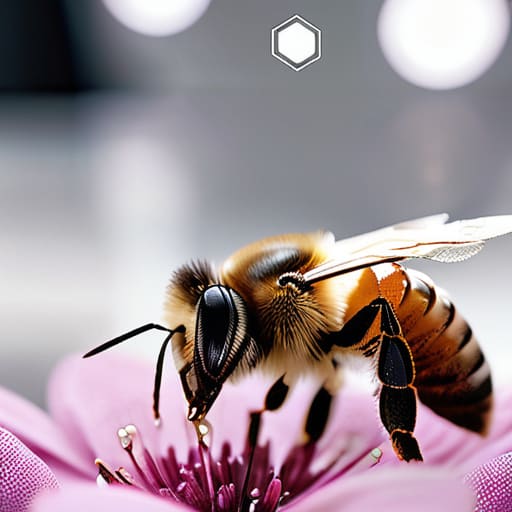
The fundamental friction in this debate lies in how we define “harm.” In a controlled laboratory setting, it is incredibly easy to demonstrate insecticide toxicity levels that are lethal; you dose a honeybee with a specific concentration of a chemical and observe the physiological shutdown. These studies are vital for establishing a baseline, but they exist in a vacuum. They don’t account for the way a bee might forage across a patchwork of different crops, or how the concentration of a chemical in a single wildflower might be negligible compared to the cumulative exposure over a season.
When we move from the petri dish to the hedgerow, the math changes. This is where the conversation regarding the environmental impact of systemic pesticides gets complicated. A lab study might show a significant drop in cognitive function, but translating that into a measurable impact on pollinator populations in a wild, fluctuating ecosystem is much harder. We aren’t just looking at immediate mortality; we are looking at subtle, sub-lethal effects that might only show up in a survey three years down the line. The data is often there, but it’s much quieter than the headlines suggest.
Why Single Studies Fuel the Agricultural Chemical Safety Debate
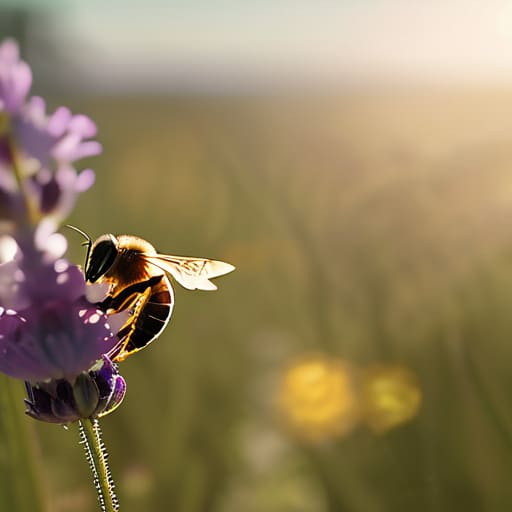
The problem is that a single paper showing a significant drop in foraging activity can travel much faster than a five-year longitudinal study. When a lab study shows that a specific concentration of a chemical impairs a bee’s ability to navigate, it gets stripped of its nuance and turned into a headline about the immediate impact on pollinator populations. The nuance—like the fact that these concentrations are often much higher than what a bee would encounter in a real hedgerow—gets lost in the shuffle.
This creates a massive vacuum in the agricultural chemical safety debate. Because the public (and the media) reacts to the most dramatic, isolated data points, it forces a kind of reactionary pressure on pesticide regulatory policies. We end up debating the “worst-case scenario” from a single petri dish rather than looking at the aggregate data from field surveys. It makes the science feel like a series of sudden, catastrophic shocks rather than the slow, complex, and often frustratingly muddy reality I see every time I’m out on a transect.
Navigating the Noise: 5 Ways to Spot a Real Conservation Argument from a Headline
- Check the scale of the study. There is a massive difference between a lab study where a bee is fed a concentrated dose of a chemical in a controlled cage and a field survey that looks at how those same chemicals behave in a messy, unpredictable hedgerow. If the article doesn’t mention the setting, be skeptical.
- Look for the “causality trap.” It is very easy to find a correlation between a pesticide application and a drop in insect numbers, but correlation isn’t a smoking gun. Good science will tell you if the chemical caused the decline, or if the decline was actually driven by habitat loss, climate shifts, or something else entirely.
- Demand more than one data point. I see headlines all the time based on a single, groundbreaking paper that hasn’t been replicated yet. In ecology, we don’t move the needle based on one study; we move it when multiple surveys across different landscapes show the same trend.
- Watch out for the “villain narrative.” It’s tempting to pick one single chemical and make it the face of the entire crisis. While neonicotinoids are a legitimate part of the conversation, focusing solely on them can distract us from the more complex, multi-faceted reasons why our pollinators are struggling.
- Ask about the “so what?” factor. Even if a chemical is toxic in a lab, does it actually reach the threshold required to kill a colony in the wild? A strong argument will bridge the gap between theoretical toxicity and actual, measurable impact on a local population.
The Bottom Line on Neonicotinoids and the Data
Lab results are vital for understanding how a chemical can affect an insect, but they don’t tell the whole story of how a bee behaves when it’s navigating a real, complex hedgerow.
A single study showing a decline in one specific population is a red flag that needs investigation, not a definitive proof that one specific chemical is the sole driver of global collapse.
We need to move past the “villain vs. hero” narrative and focus on the messy, multi-factor reality—habitat loss, climate shifts, and chemical exposure all work together, and we can’t fix what we don’t accurately measure.
Beyond the Headlines
At the end of the day, the controversy surrounding neonicotinoids isn’t just about a single chemical; it’s about how we interpret risk in a world that feels like it’s constantly tipping over. We’ve seen how the gap between a controlled lab setting and a messy, wind-swept field margin can create massive misunderstandings. While we can’t ignore the legitimate toxicological concerns, we also can’t pretend that a single headline captures the entirety of the ecological complexity at play. The debate has become a tug-of-war between alarmism and dismissal, and in that friction, the actual, nuanced data often gets lost in the noise.
If we want to actually save the pollinators I spend my rainy Tuesdays counting, we have to move past the urge to find a single “smoking gun.” Conservation isn’t a battle of villains and heroes; it’s a matter of managing a thousand tiny, overlapping variables. Instead of getting stuck in the outrage cycles of the news, let’s focus on what we can actually verify—like improving habitat connectivity and making our hedgerows more than just empty lines on a map. We don’t need more panic; we need better evidence and, ultimately, better ground-level action.
